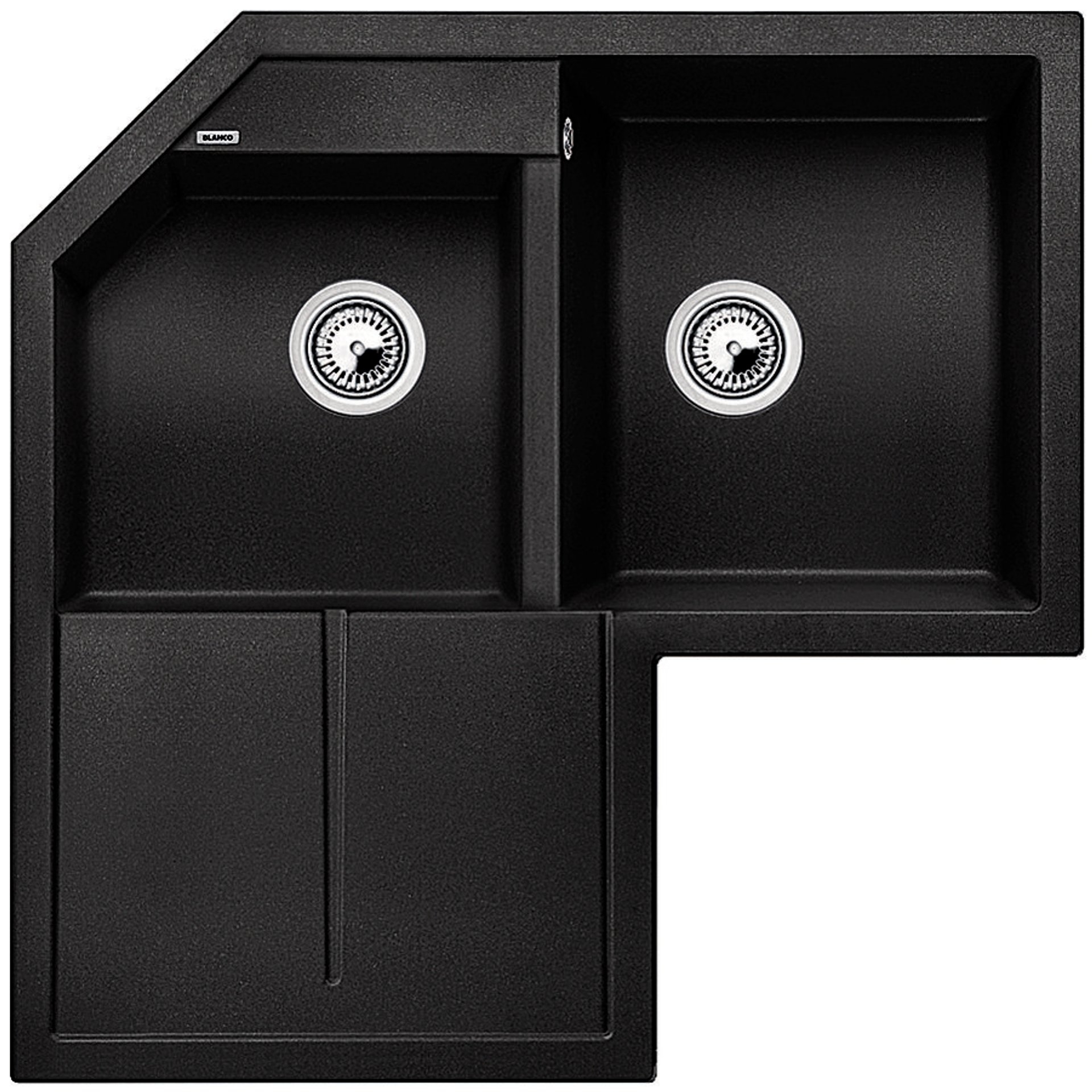
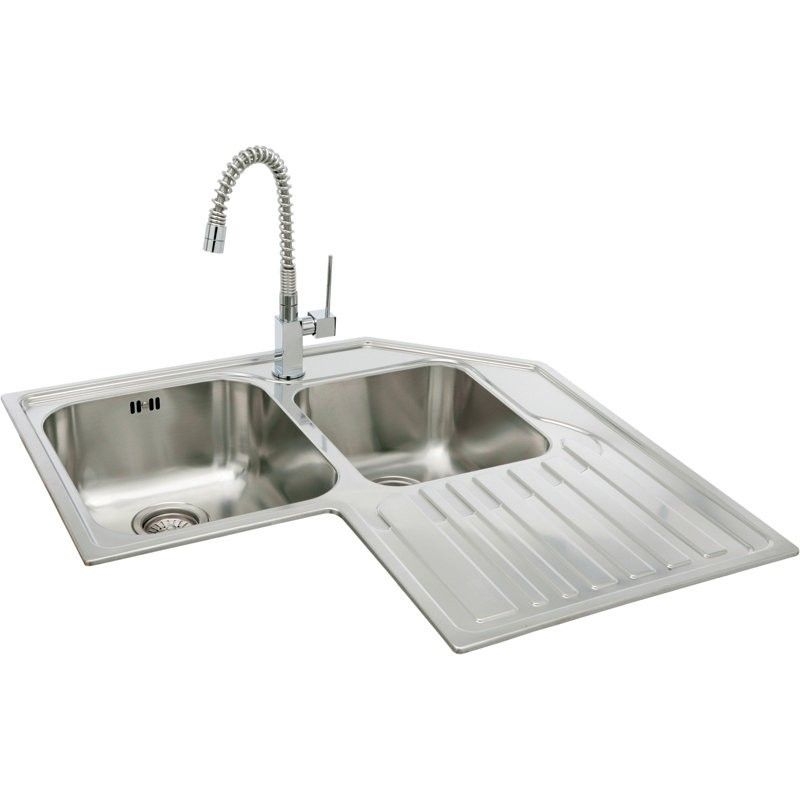
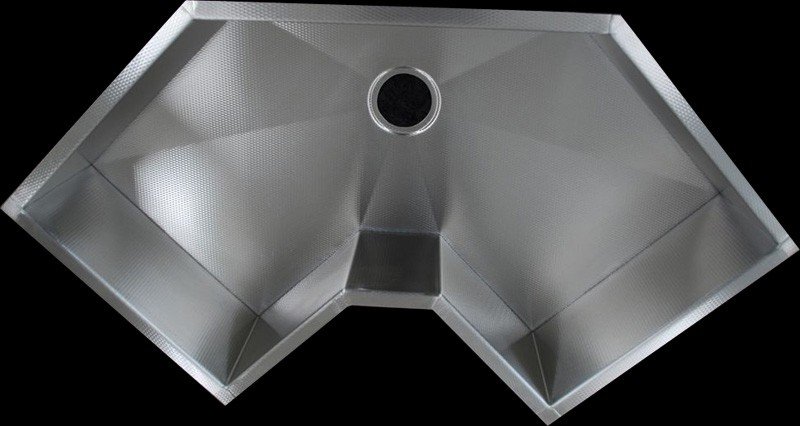
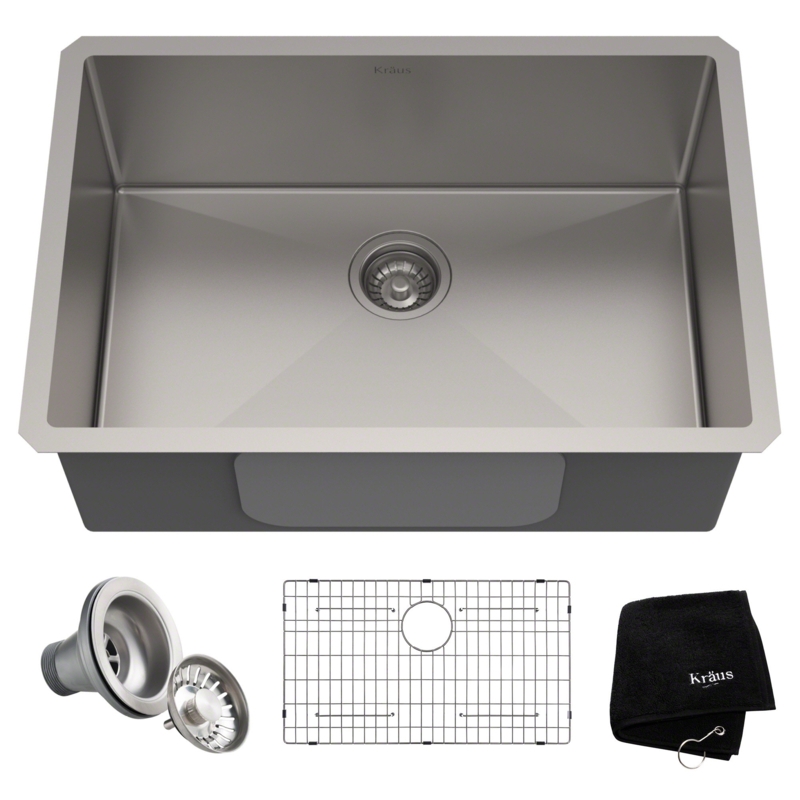
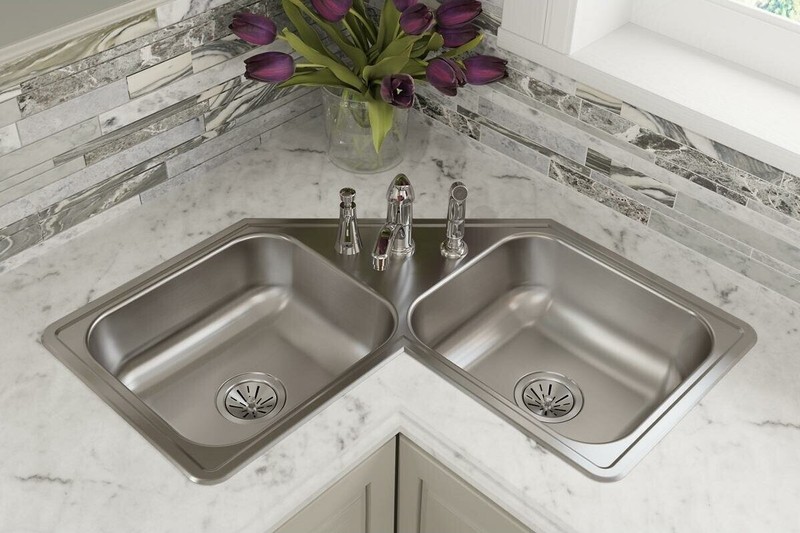
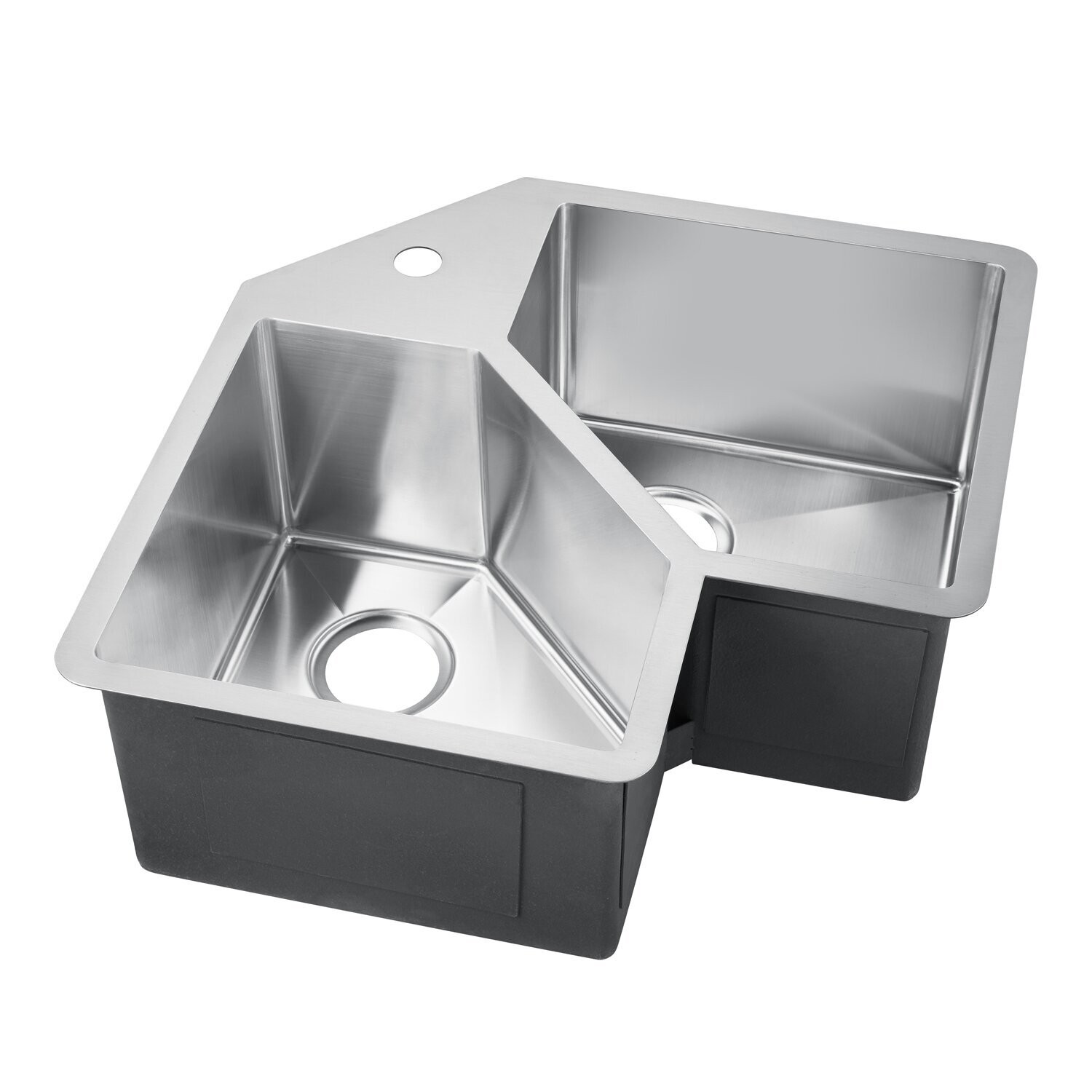
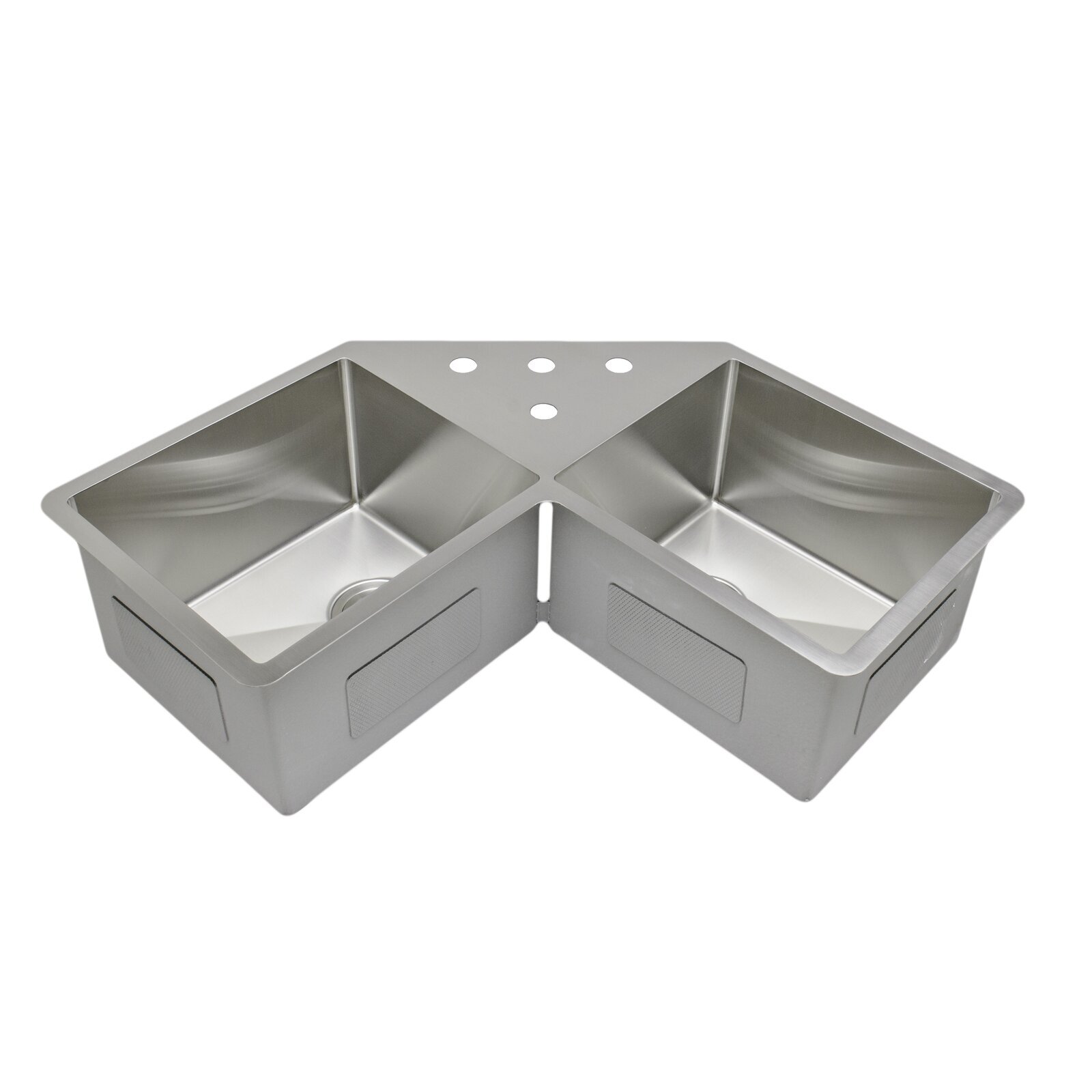
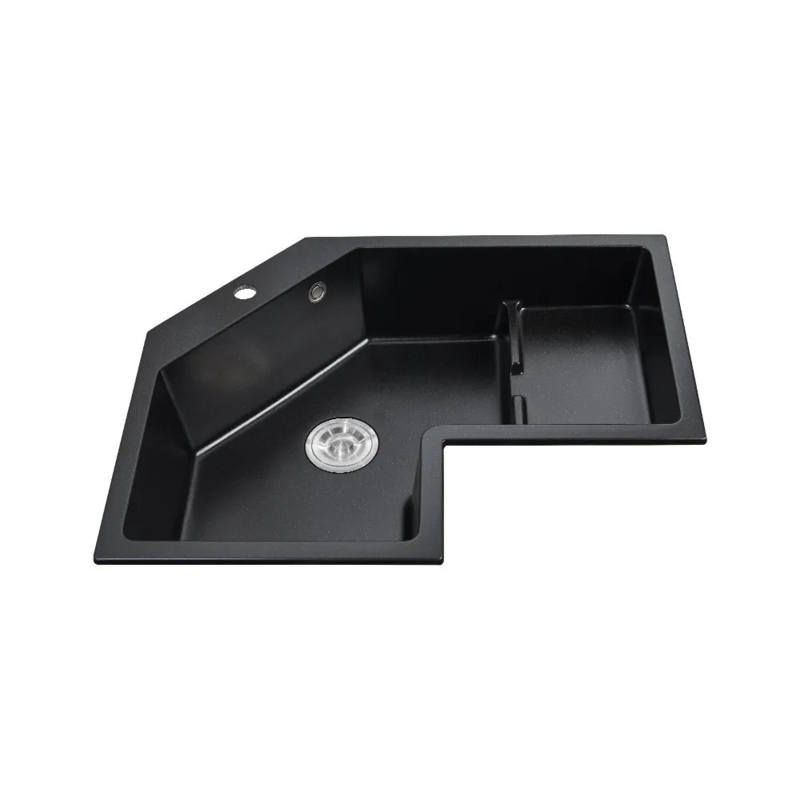
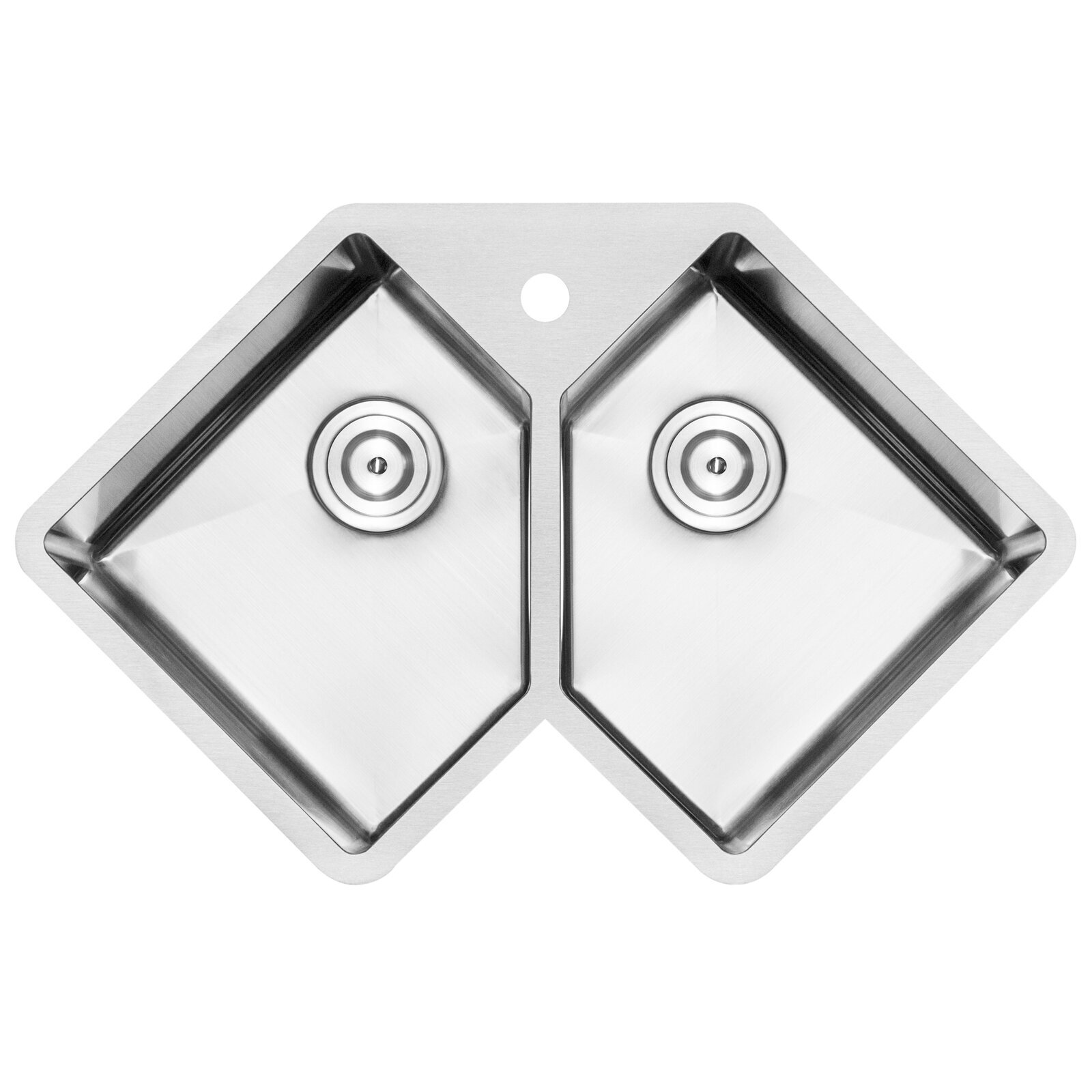
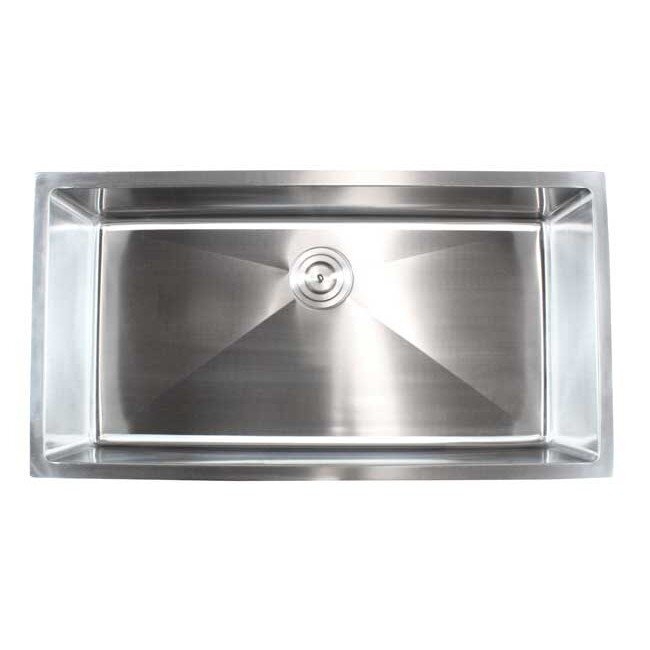
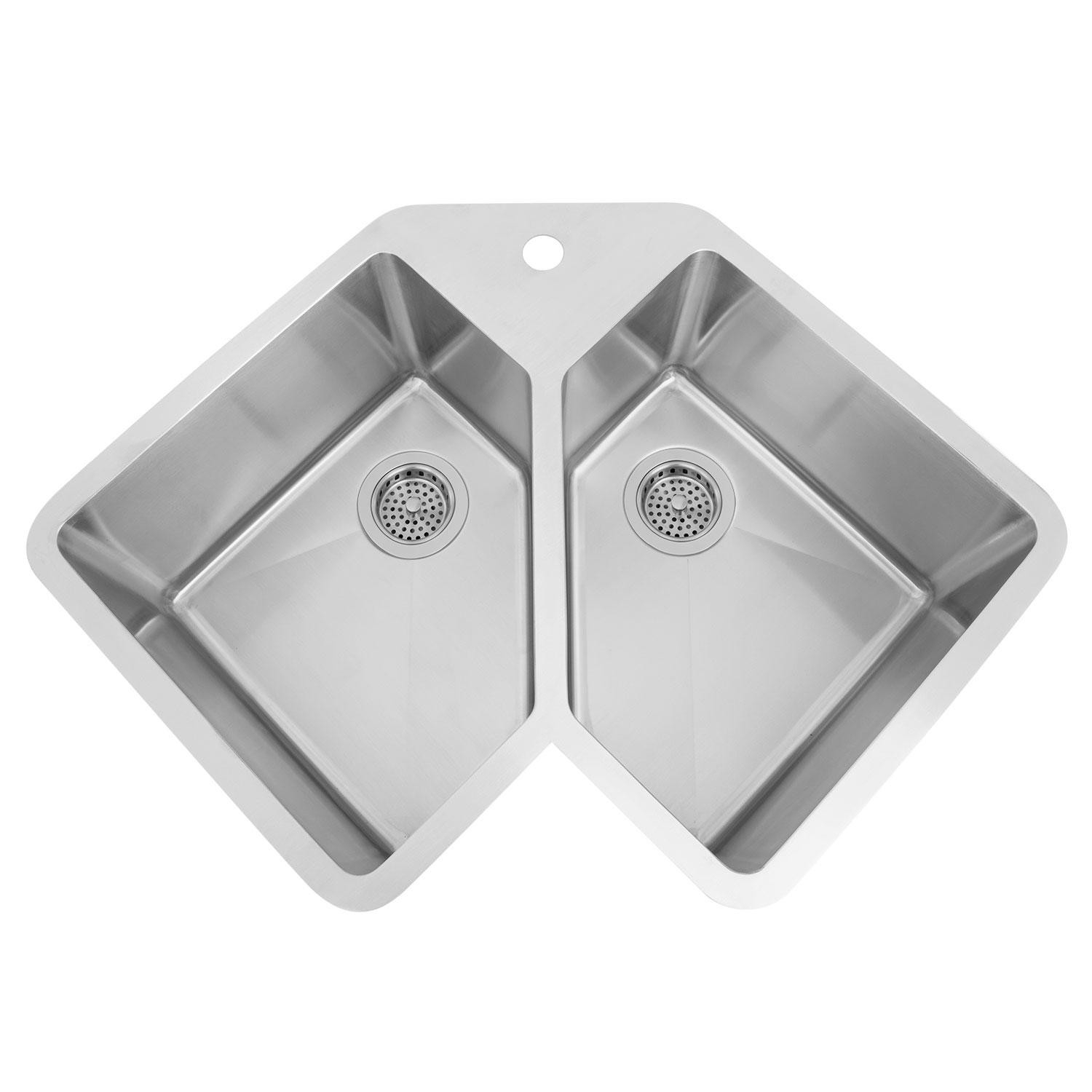
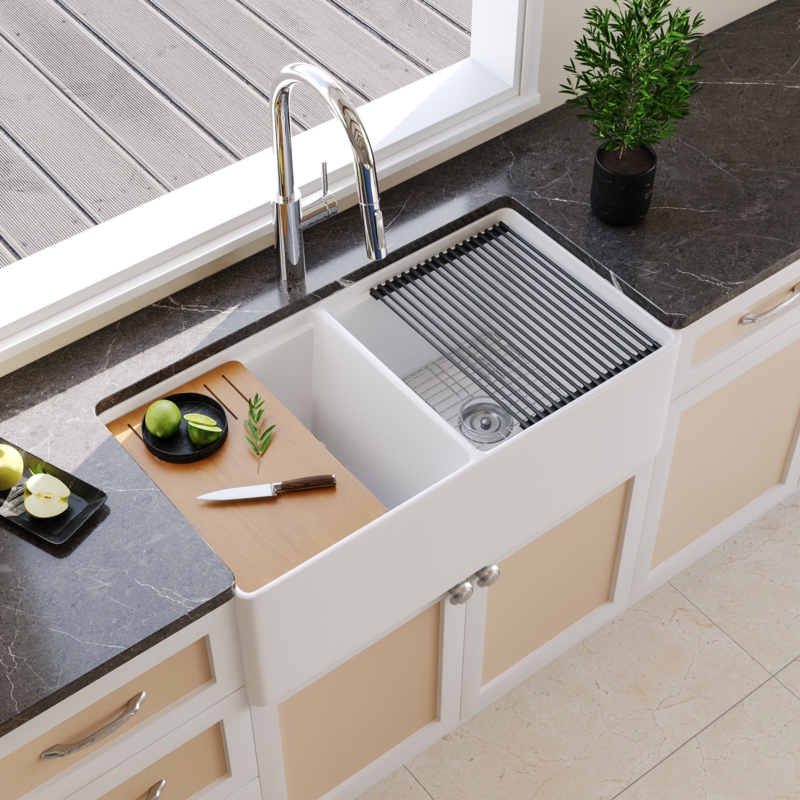
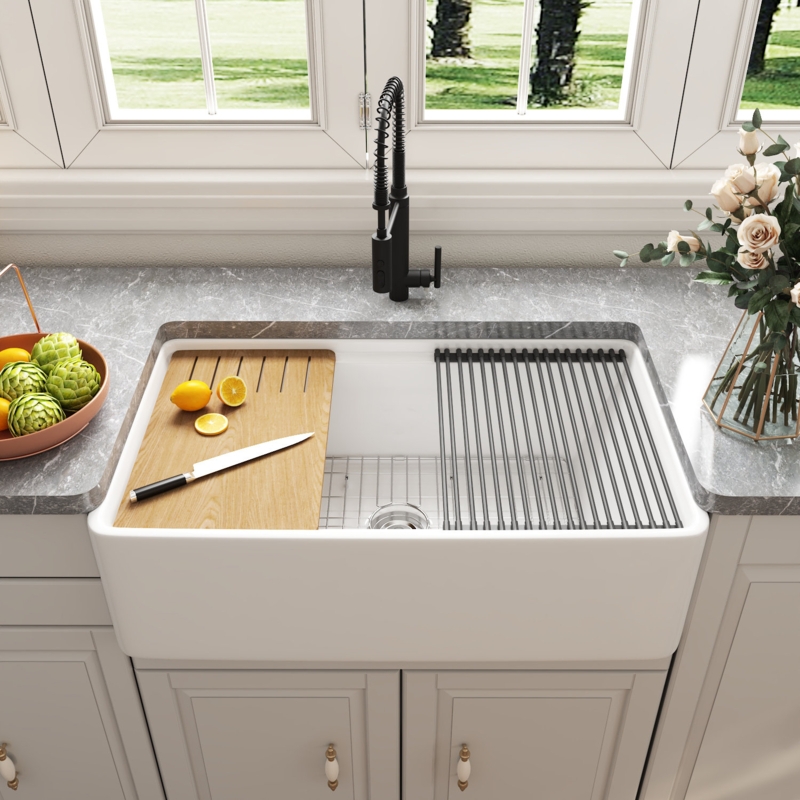
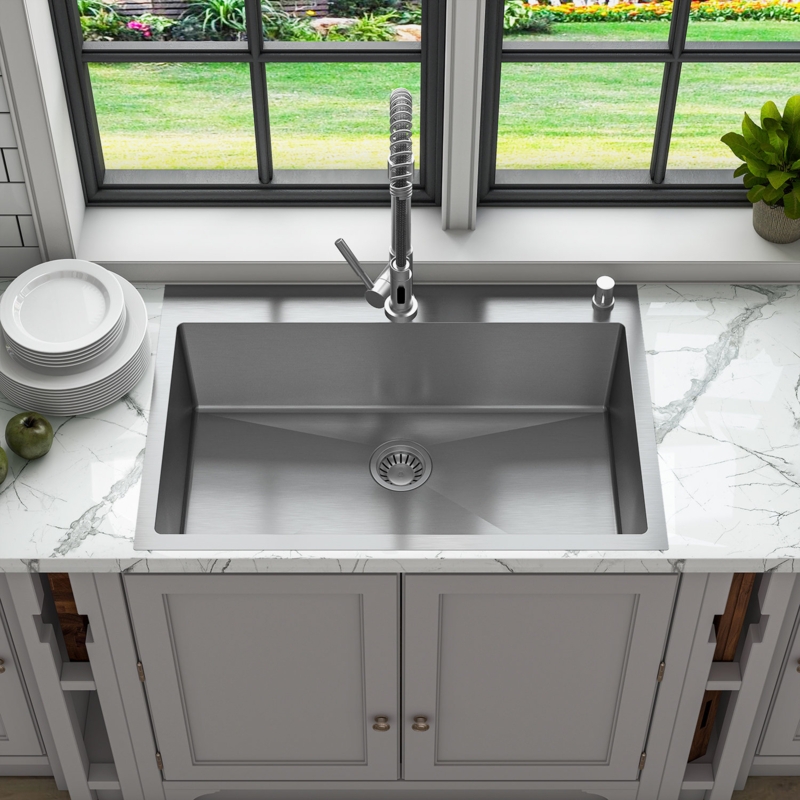
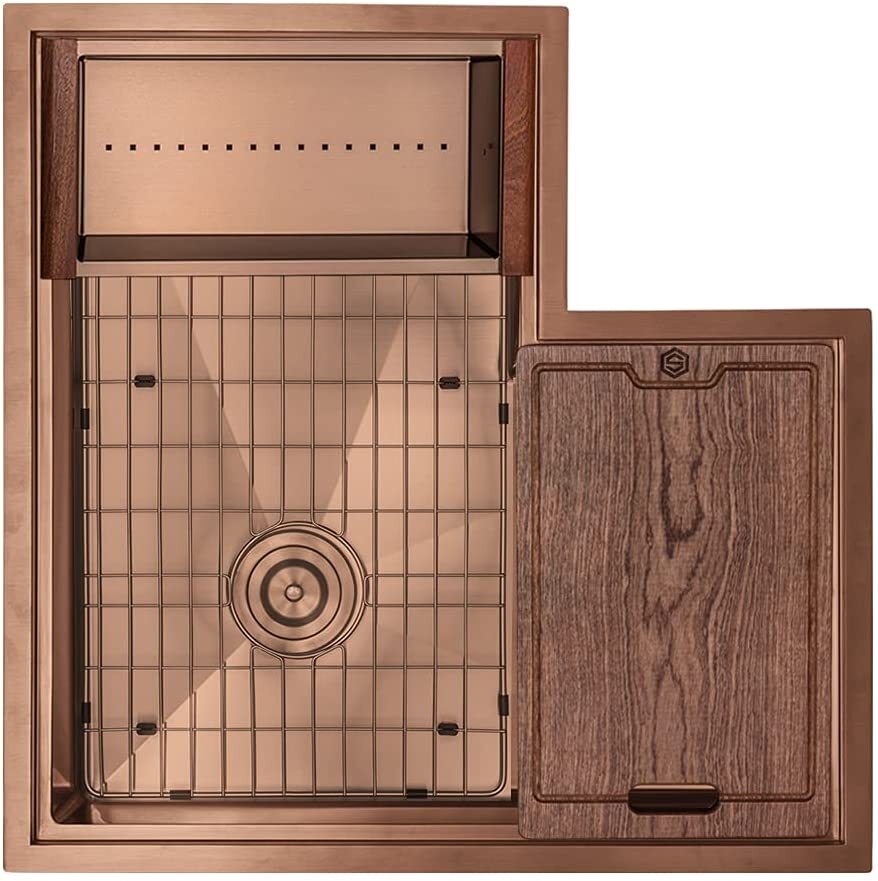
Changing out your kitchen counters and want to relocate the sink? Then maybe a corner kitchen sink undermount is exactly what you are looking for. In stainless, white and even a few exotic options, our collection of corner kitchen sink undermounts will inspire you to do something a little different when making a drastic change to your kitchen counters.
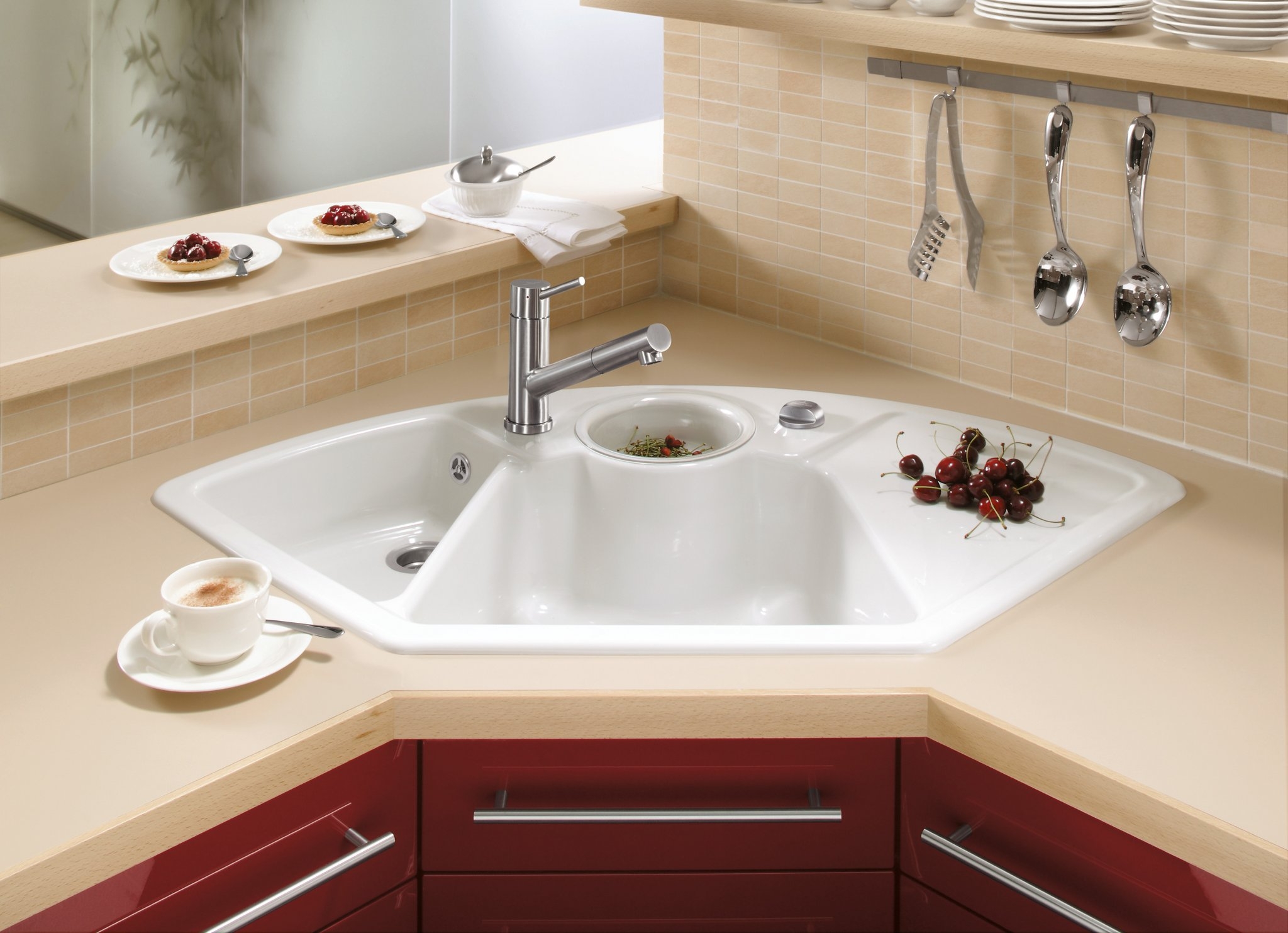
The attractive design of this corner kitchen sink under mount makes the interior is a functional and exciting character. The whole is beautifully combined with the bright top and red kitchen cabinets.
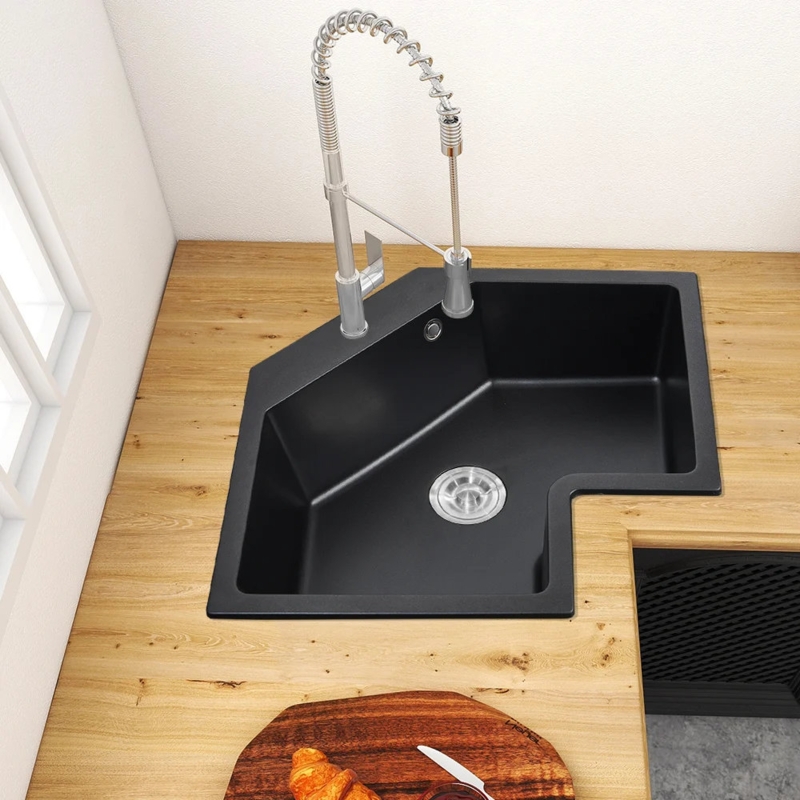
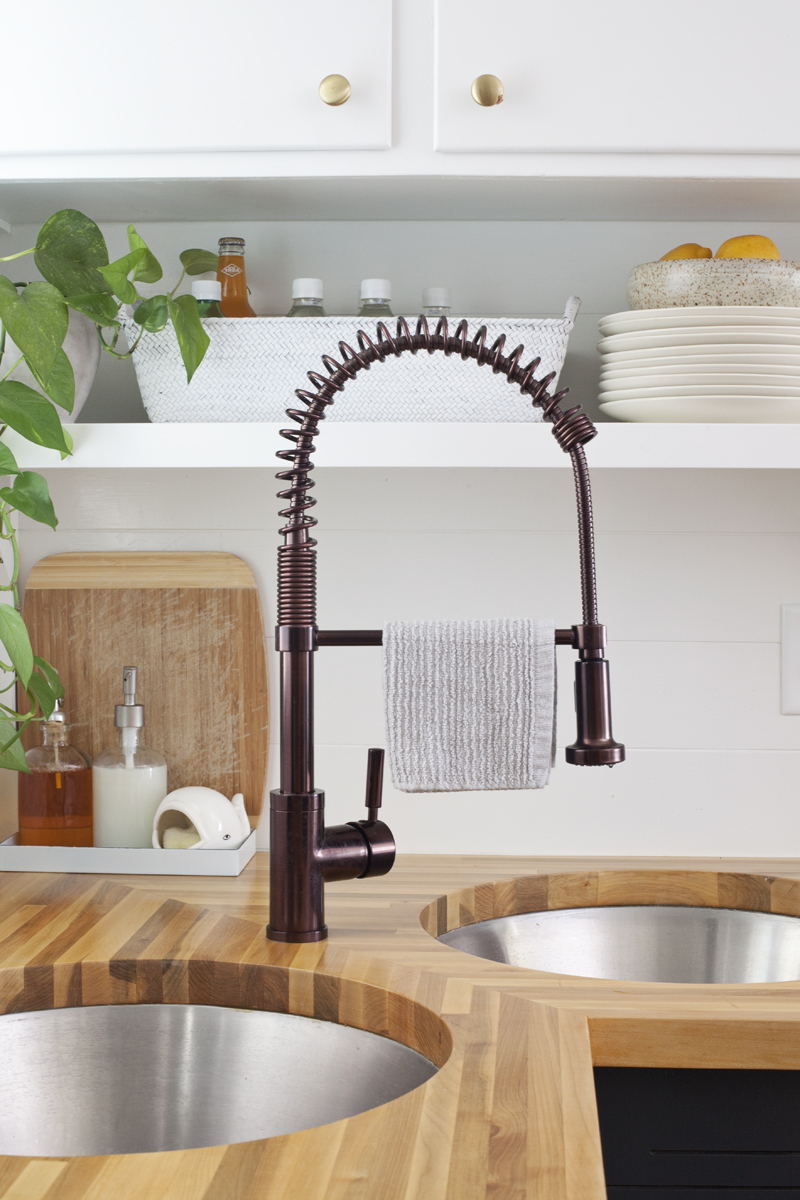
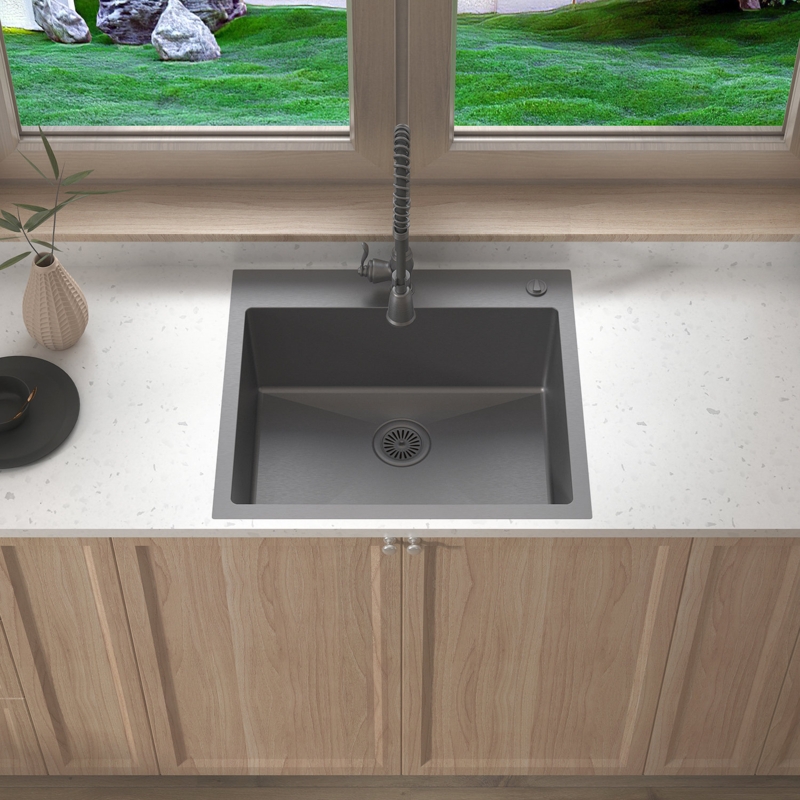
Corner kitchen sink under mount is an interesting functional solution for the kitchen. Beautiful woodwork and modern and very stylish form of tap faucet impress and create an interesting point in the decor.
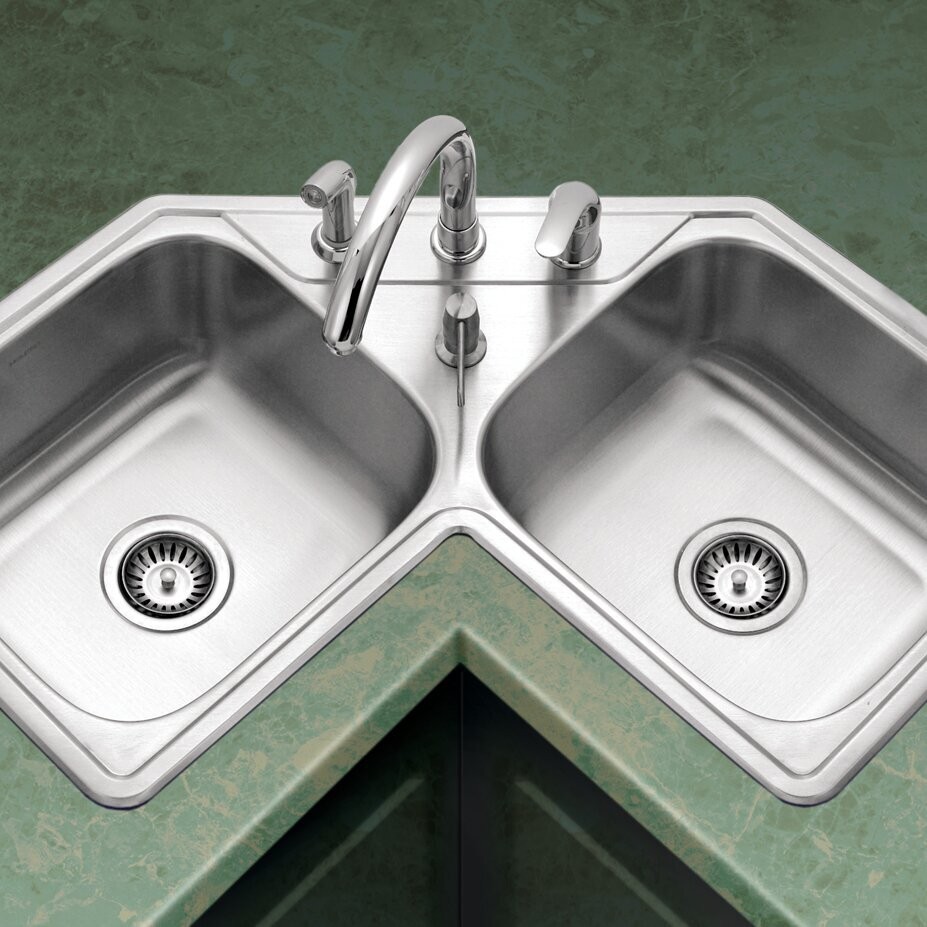
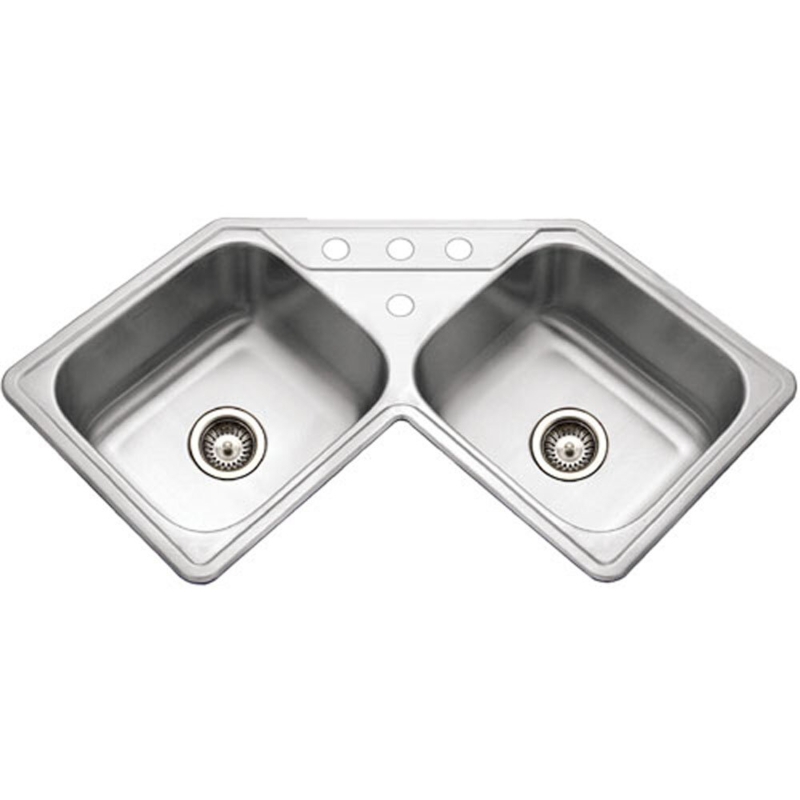
Steel corner under-mount sinks are characterized by high resistance to scratches, abrasion and high temperatures. This one has two deep corner chambers. Essential also has pads and the whole is finished in satin silk.
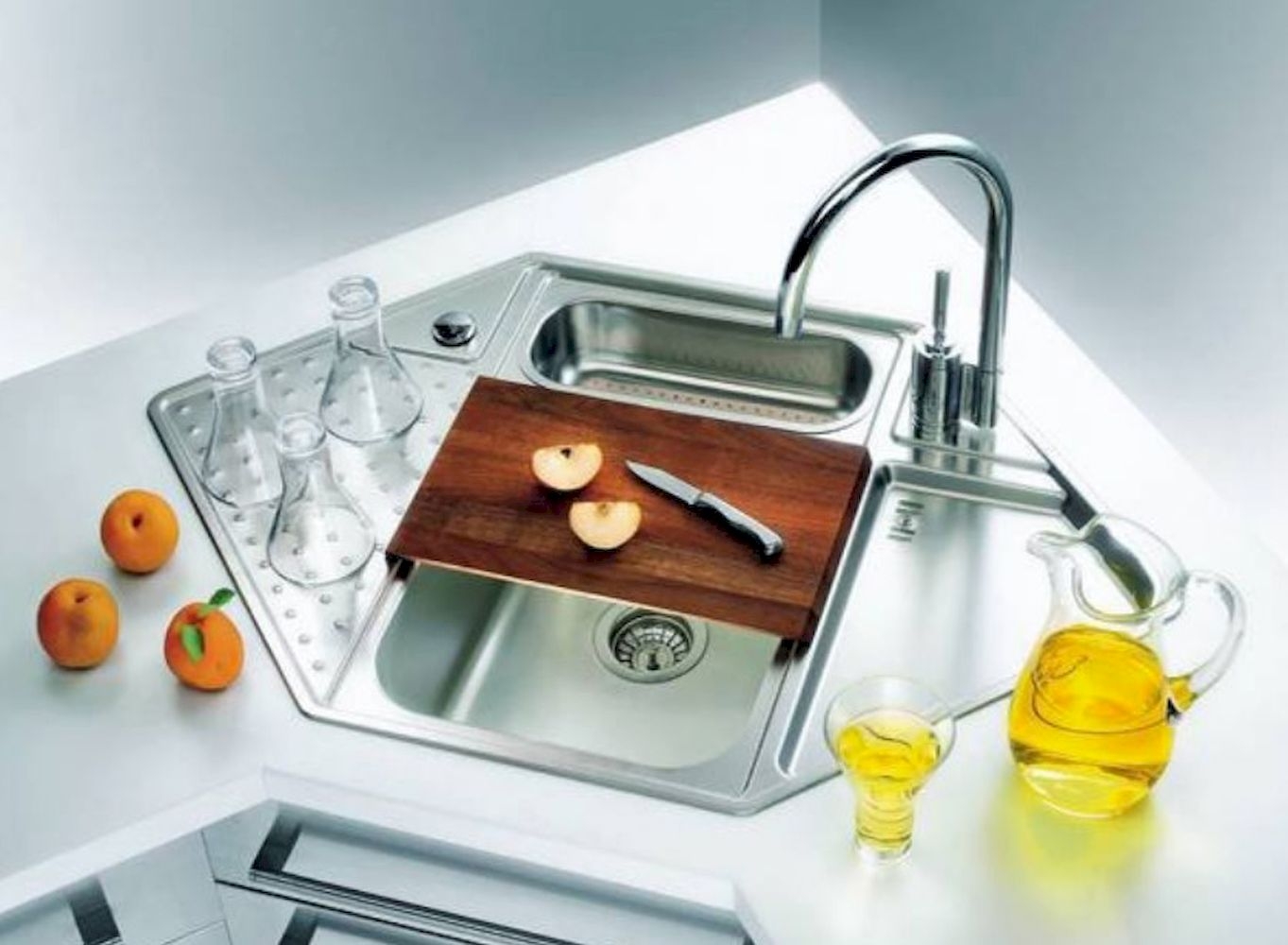
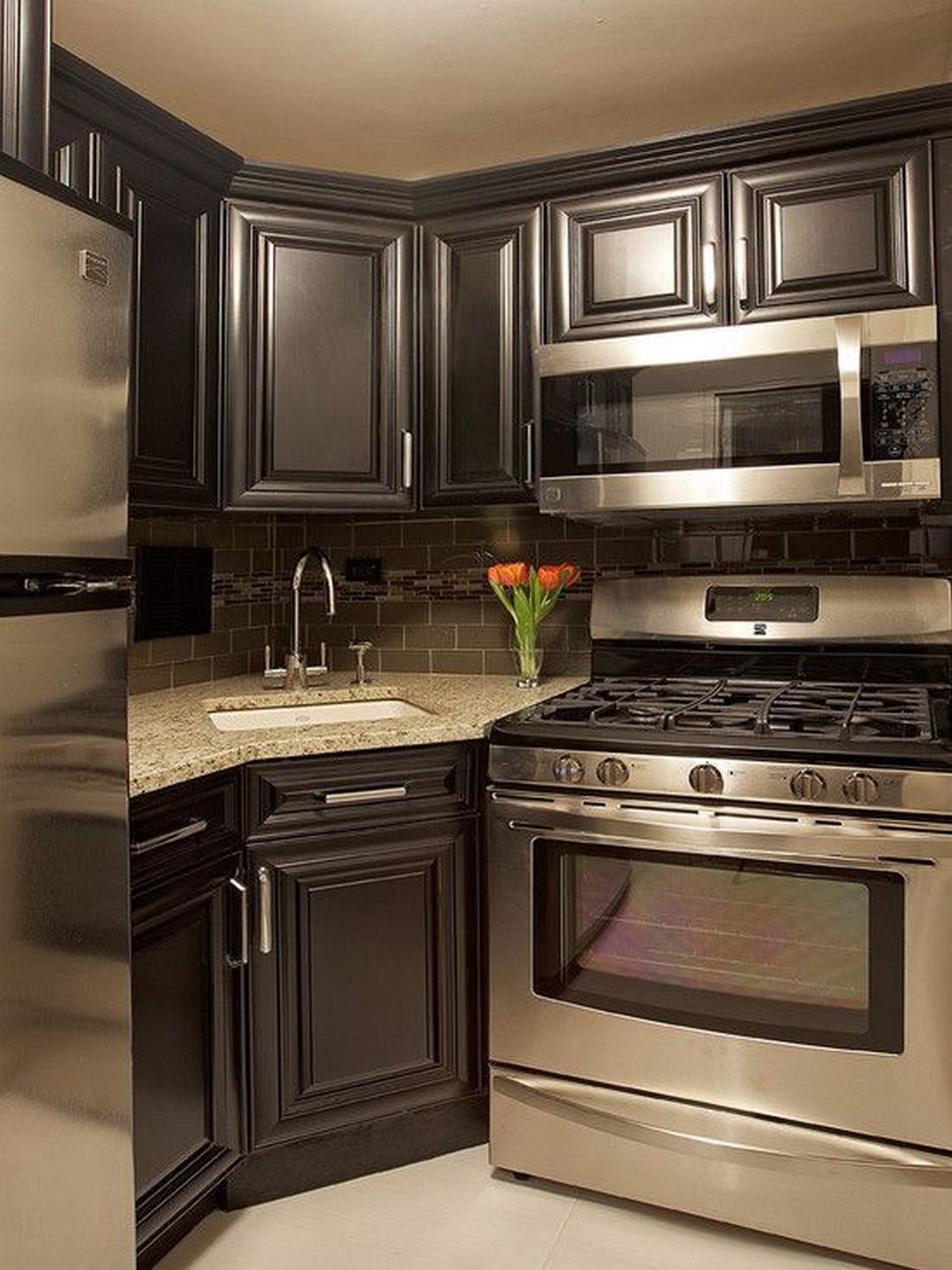
The silver and black modern kitchen stylization. The black satin cabinets, stainless steel appliances, gold granite top, sand colour sink and silver handles integrate a simple, but functional kitchen.
Mia is a freelance bathroom designer and writer with over a decade of experience helping people rethink how their bathrooms work and feel. Drawing on expertise in space planning, cabinetry, storage, tile layouts, and fixture selection, she designs rooms where every inch earns its keep. Her guidance helps readers turn technically complex bath projects into calm, efficient spaces that are comfortable to live in and easy to maintain.
A corner and undermount kitchen sink features plenty of advantages. An undermount has the advantage of having a seamless design. It's also a type of sink that makes cleaning a lot easier. A corner type is a space-saving configuration, which makes it an excellent choice if you have limited space. You are probably aware of the many benefits of a corner and undermount kitchen sink and that's the reason why you are shopping for one.
When shopping for such kind of sink, there are plenty of factors that you need to consider. Failure to do so may result in costly mistakes. To help make things easier for you, this article is going to be a corner undermount kitchen sink buying guide.
The sink material is perhaps the most important factor that you need to consider. These days, undermount kitchen sinks come in a plethora of materials, and each has its own pros and cons.
Stainless Steel - Easy to clean, durable, and lightweight. It's also very rust-resistant. It comes in a variety of finish and thickness.
Copper - Won't succumb to rust. It also ages beautifully. Copper comes with natural antimicrobial properties. As a result, copper kitchen sinks are more hygienic.
Granite - Made by spraying acrylic and granite blend over a base typically constructed from acrylic. It's a sink that has an above-average resistance to heat, stains, and scratches.
Cast Iron - A sink that is virtually indestructible. The long-term durability makes it an excellent value for your money. It's easy to clean and comes with sound-deadening properties.
Acrylic - Also referred to as fiberglass sink, it's a sink that is resistant to impacts and stains. This type of sink is also easy to install and easy to clean. Light scratches are easy to fix through treating and polishing.
A corner and undermount kitchen sink may come single or multi-bowled. The right one depends on your situation.
A single bowl kitchen sink is the more economical option, which makes it an excellent choice if the budget is a bit tight. It's also an excellent option if you have limited space.
A multi-bowled may either come in two or three bowls. Multi-bowled makes tasks efficient and organized as you can have a segregated space for soaking, cleaning or rinsing.
Most kitchen sinks vary from 8 to 10 inches in depth. While a 10-inch deep bowl makes it easier to soak pots and pans, deeper sinks can be uncomfortable for shorter people to use.
The most significant factor that will affect the depth is the cabinetry where the sink is going to be placed. Also, you need to consider other items attached to the sink like disposers and plumbing. What you'd want to avoid is having a sink that is too deep that there's no room for essential peripherals.
Some of the most common kitchen sink materials you'll find on the market today include stainless steel, enamel-coated cast iron, solid surfaces, and composites. Understanding the pros and cons of each of these materials may make it a little easier to choose the one that will work best in your home.
Stainless Steel:Stainless steel sinks are available in both drop-in and under mount options. Additionally, they are quite durable. If you think your kitchen is likely to get a lot of traffic and heavy use, stainless could be a good option. Some homeowners don't like the look of stainless and another complaint is the noise factor, though this may be mitigated by choosing a sink with soundabsorbing technology.
Enamel-Coated Cast Iron: Enamel-coated cast iron was once the go-to for kitchen sinks. Now, it has a classic farmhouse appeal that many people love. This material does scratch and show wear over time and may require more maintenance than other sink options.
Solid Surfaces: Solid surface sinks--essentially sinks built into the counters themselves are another option. These are often the most expensive as they are often custom-made. The maintenance can be daunting too. However, for those who want a truly seamless look, this is it.
Composites: These are often an affordable option, and they do come in many attractive color choices. However, they aren't showing to be as durable as other choices, so if you're looking for the utmost in quality, make sure you do your research.
The size of the sink you desire will vary depending on how you plan to use it.
Do you wash many dishes by hand?
Do you entertain a lot?
Do you want a deep sink for soaking pots or do you fill your basin for other projects?
How big is your largest pot, baking pan, etc?
Would a split sink option work better for you?
Would more counter space be more useful than an oversized sink?
Consider all of these details when choosing the best size sink for your kitchen.
Once you know what you are looking for from your sink, keep in mind it still needs to function well within your kitchen as a whole. A modern style kitchen may benefit from a modern-style sink while a rustic kitchen would usually call for a more traditional option.
For a crisp, stark kitchen, a simple understated stainless sink might work well.
A farmhouse kitchen could benefit from an enamel-coated cast iron sink, for example.
Other kitchen designs, such as the currently popular Scandinavian design, may actually support either a modern or a rustic design – depending on the direction you choose to go.
Remember lighting and storage. Because the sink area serves as a workstation, so to speak, in your kitchen, make sure you add sufficient lighting and storage in the immediate area.
Keep in mind that unless you want to do a heavy renovation, it will almost always be much easier to install a sink in the same location your existing sink already is. As you're planning for your update, this may be something to keep in mind.