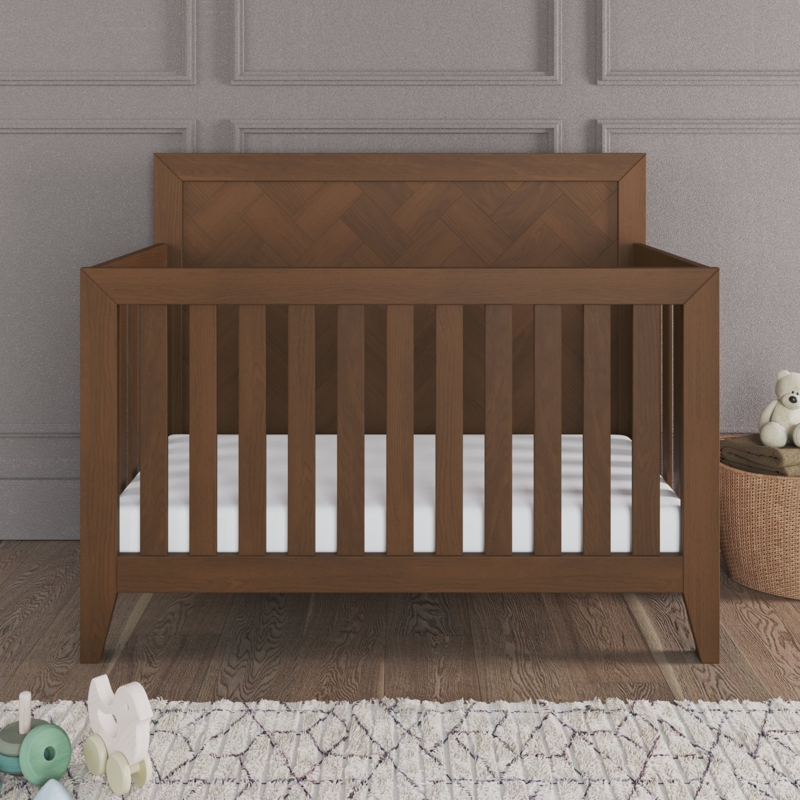
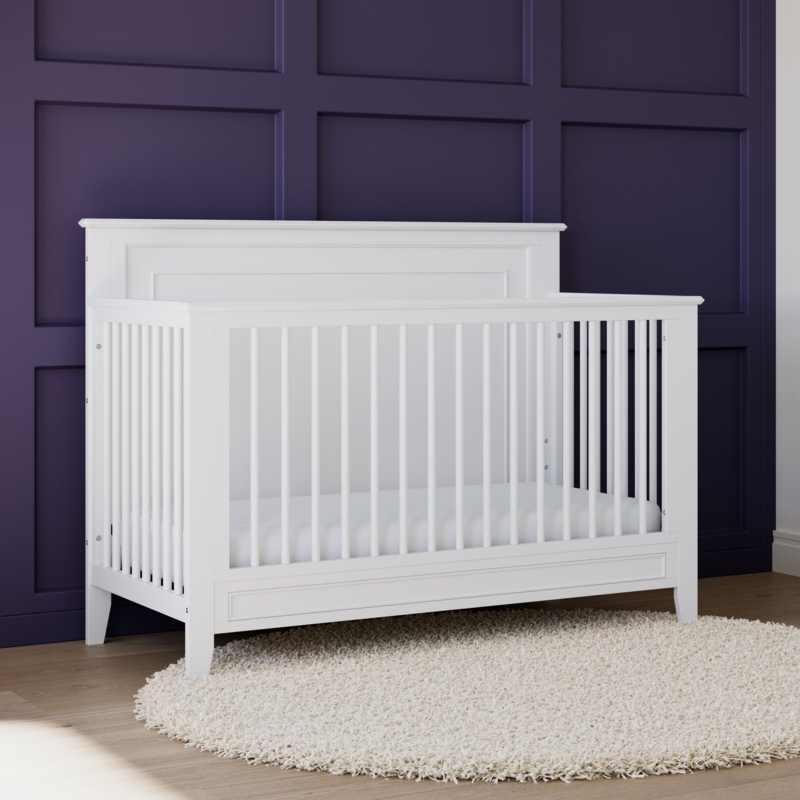
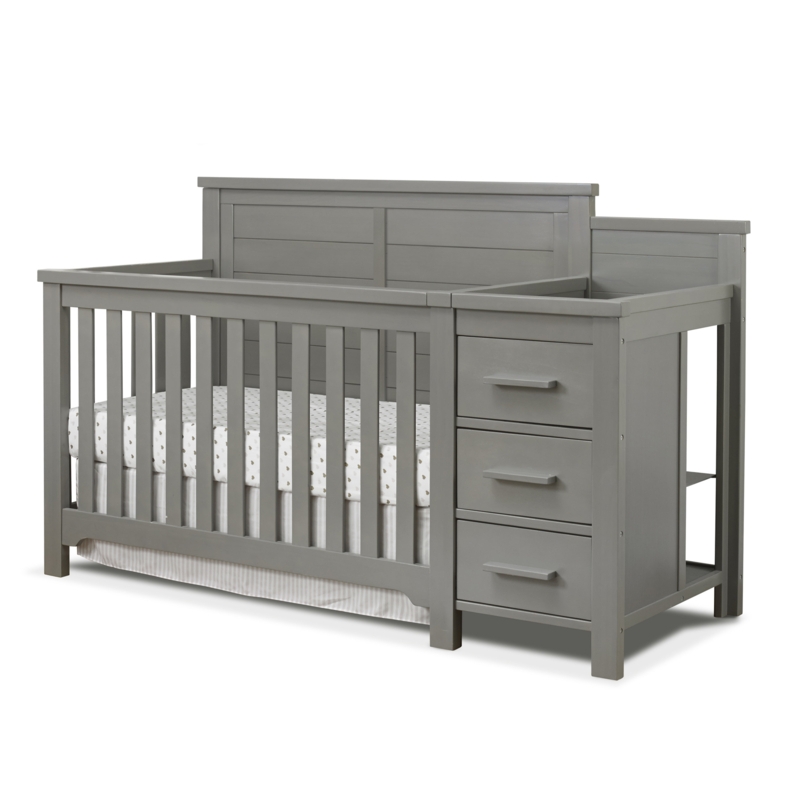
Natural Wood Baby Crib

215 Ideas by Eliza Bush

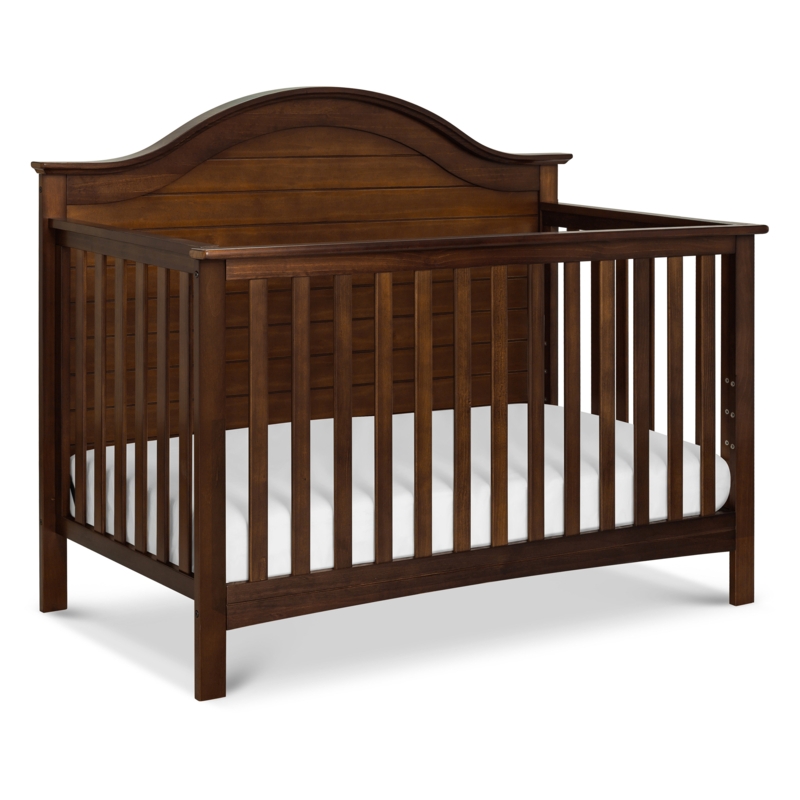
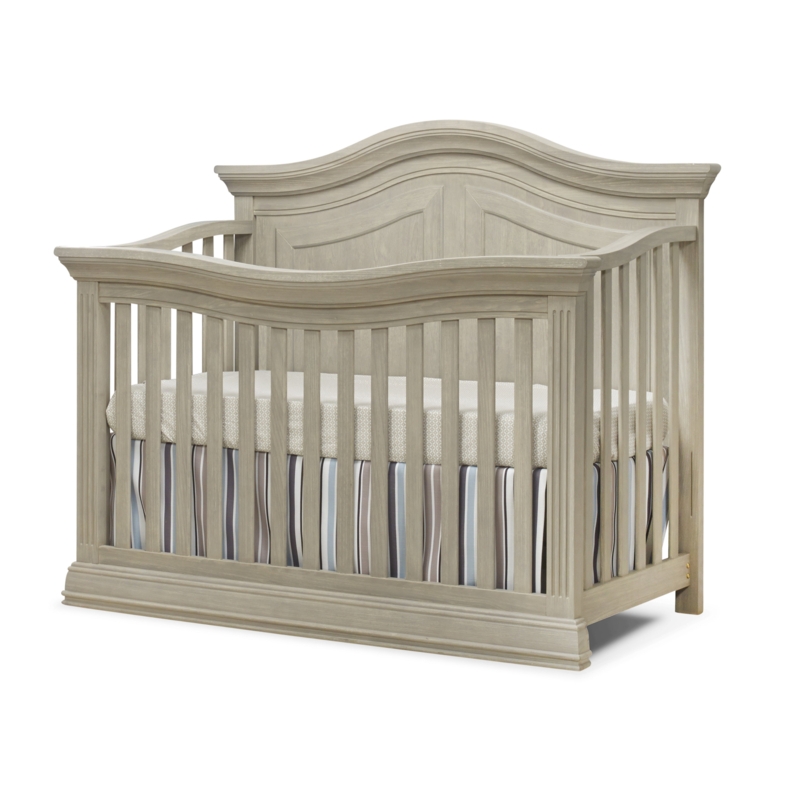
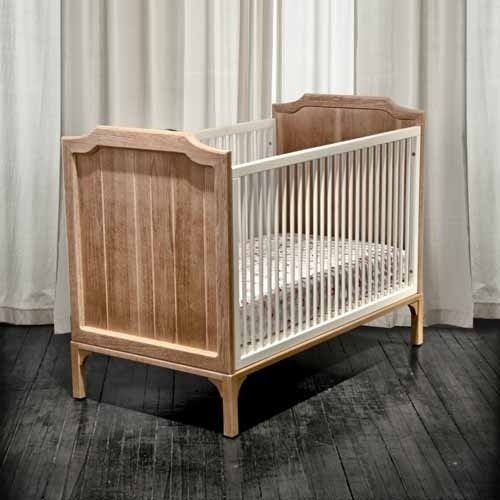
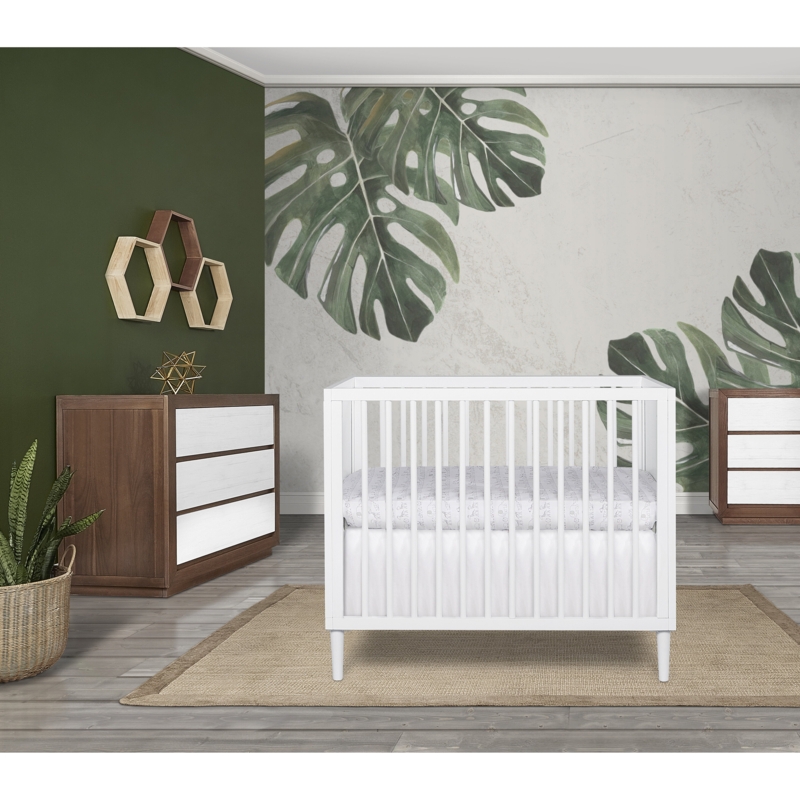
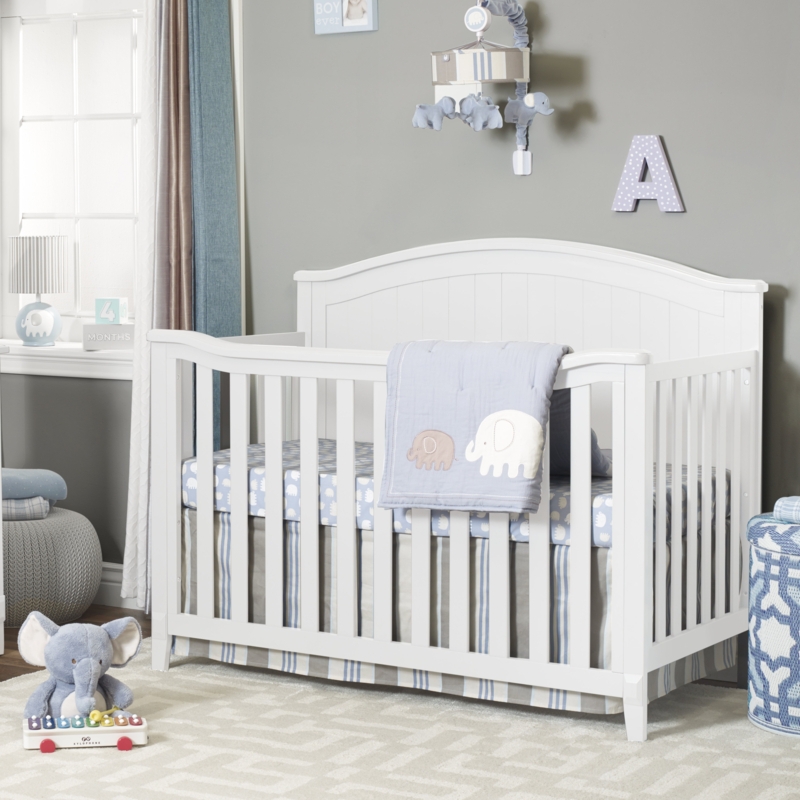
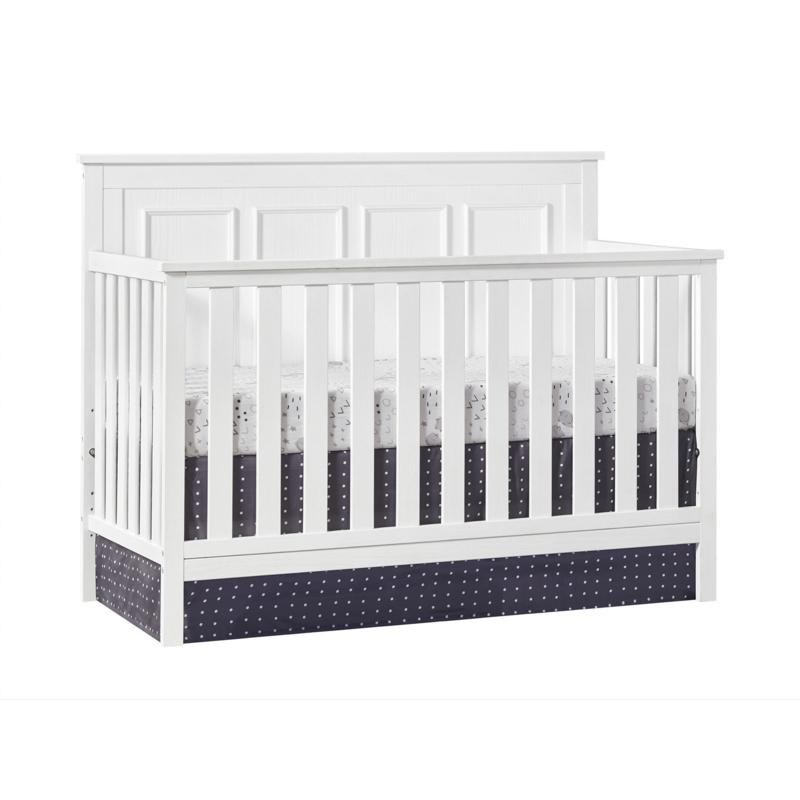
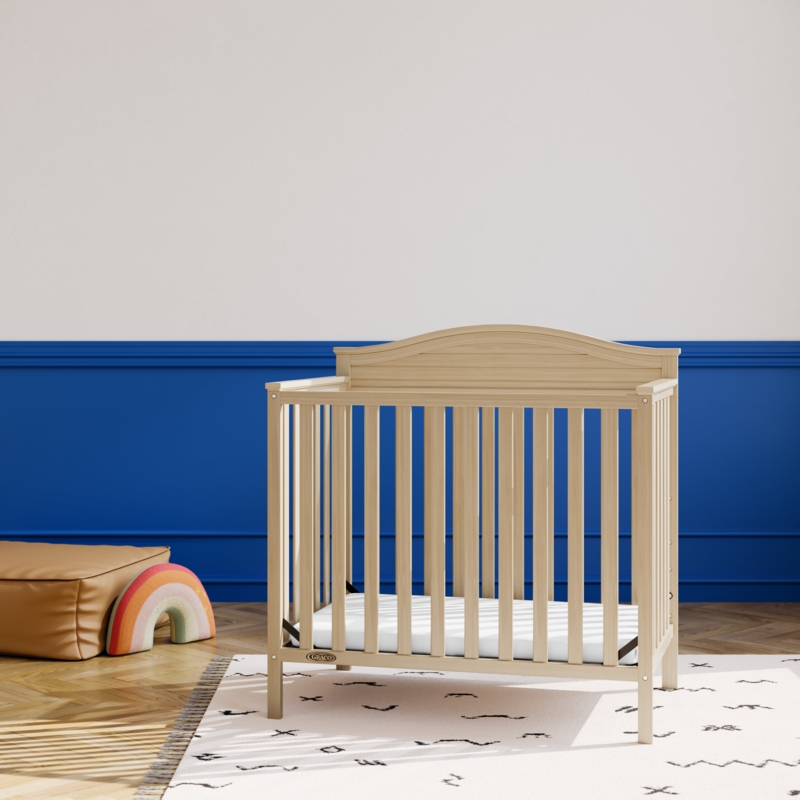
For a more classic nursery, might we suggest one of there hand-crafted, absolutely gorgeous, all natural wood baby cribs. Put your little bundle of joy in a lovely place where they can sleep and look at the world above. Can be retrofitted with a mobile, and they have adjustable sides for ease of access, See collection for more details.
Natural wood baby cribs

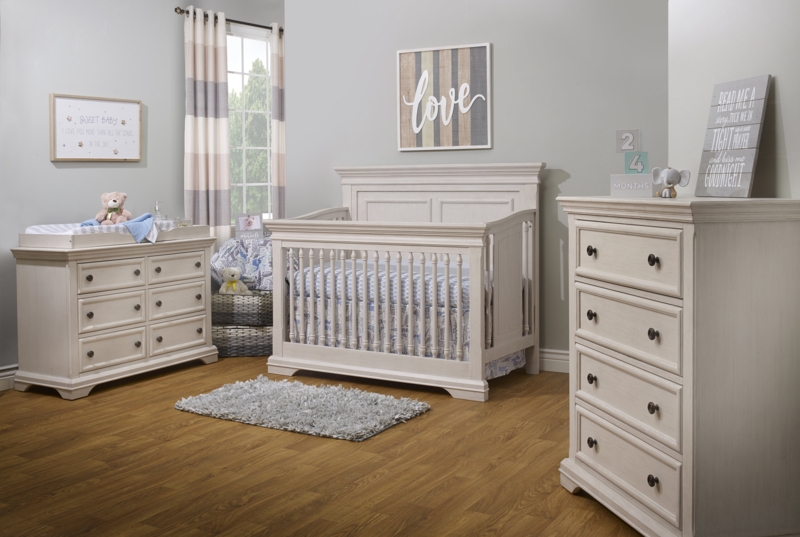
Bertini Pembrooke 4-in-1 Convertible Crib - Natural Rustic/Also comes in Dark Walnut Baby R Us

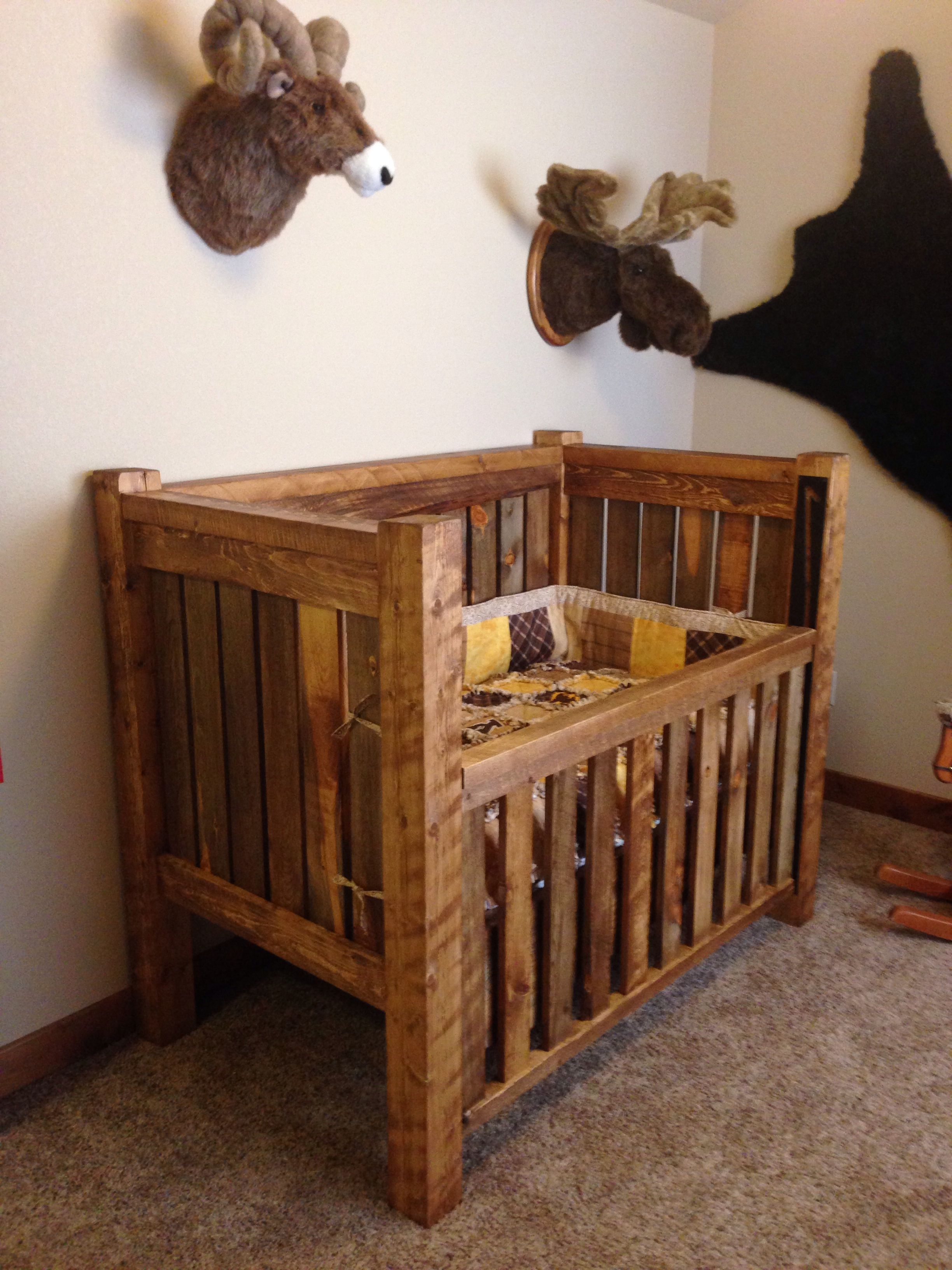
Rustic Natural Wood Baby Crib with Animal Wall Decor
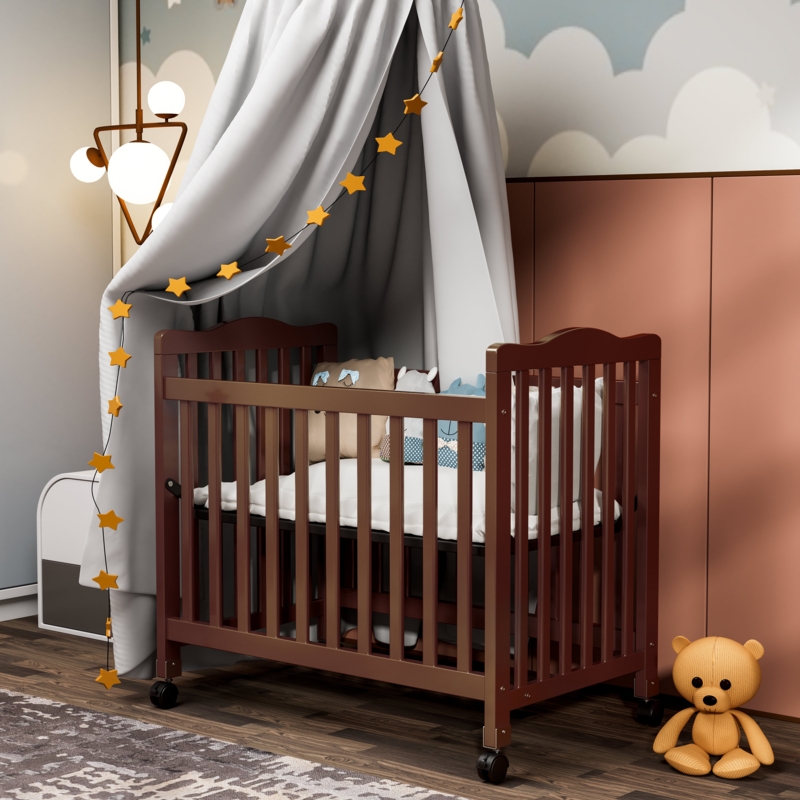
Rustic Natural Wood Baby Crib with Animal Wall Decor
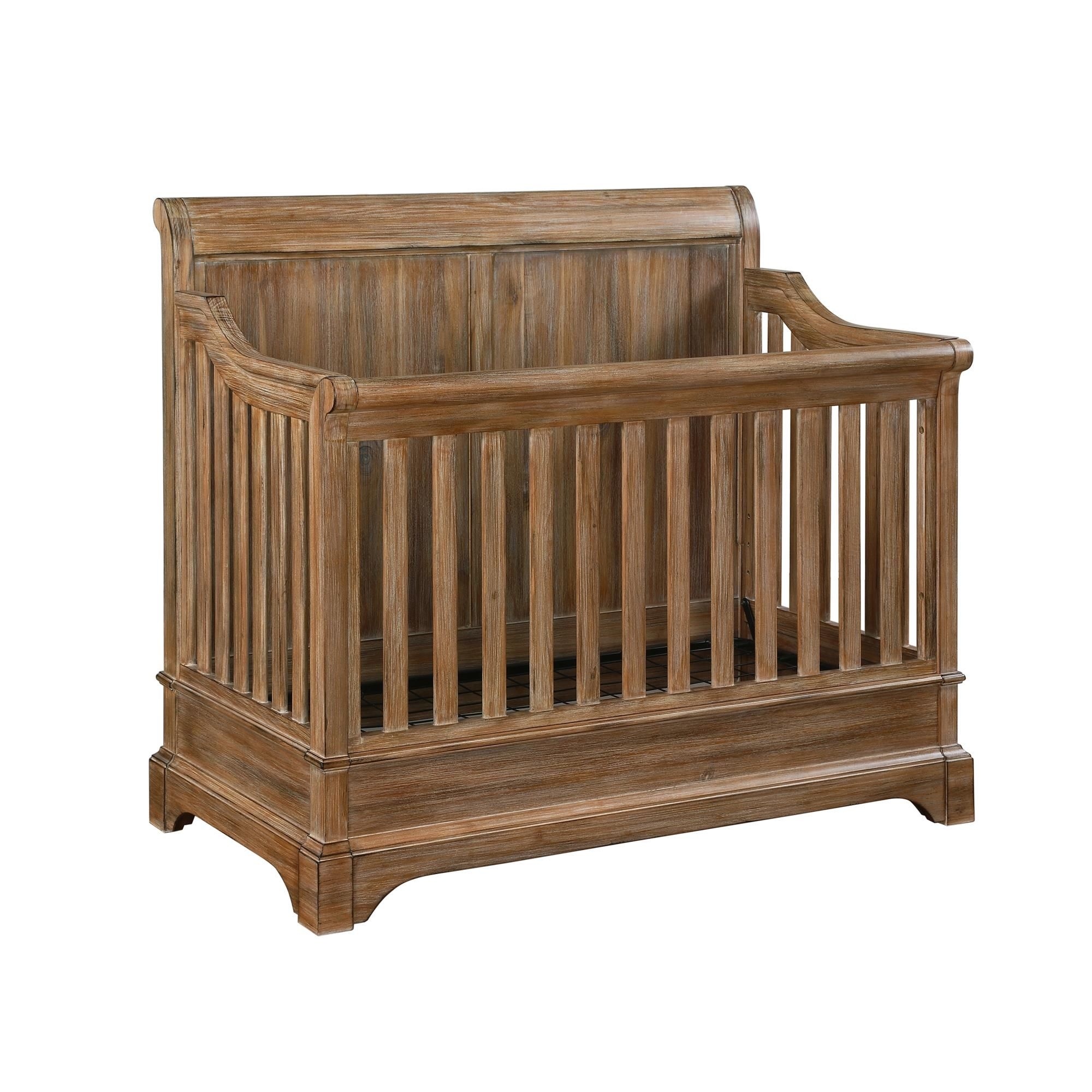
Natural wood cribs

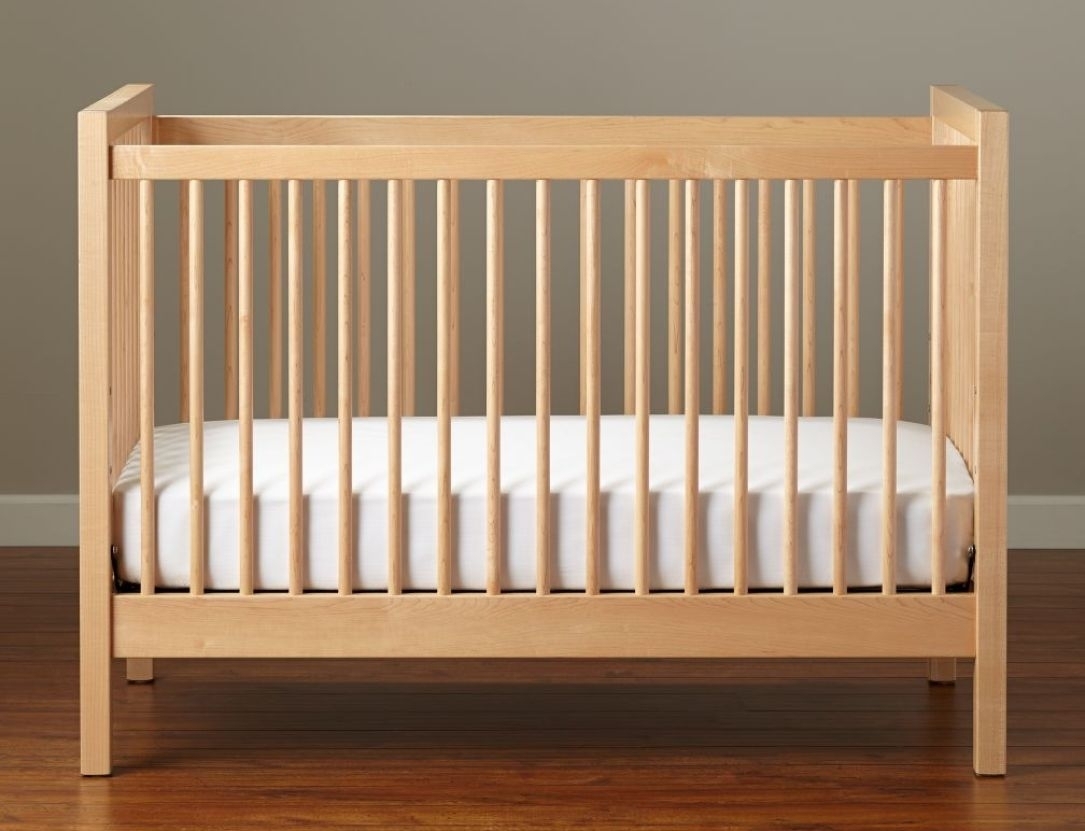
Simplicity has never failed yet and this natural wood crib is no exception - although it looks simple and offers straight lines of the structure there is something really serene and elegant about it, making for a perfect option for your baby's nursery.
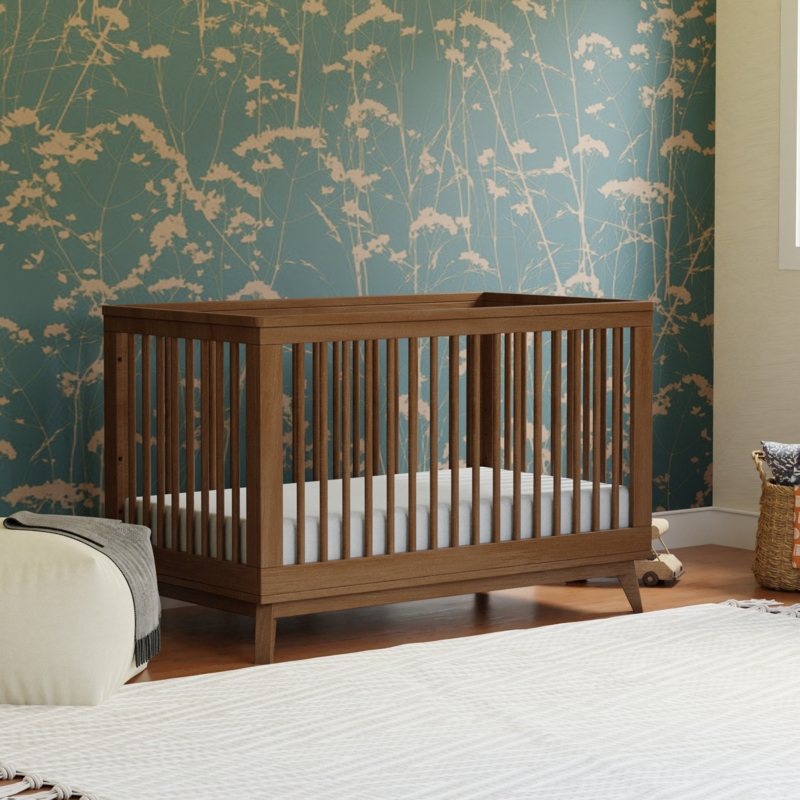
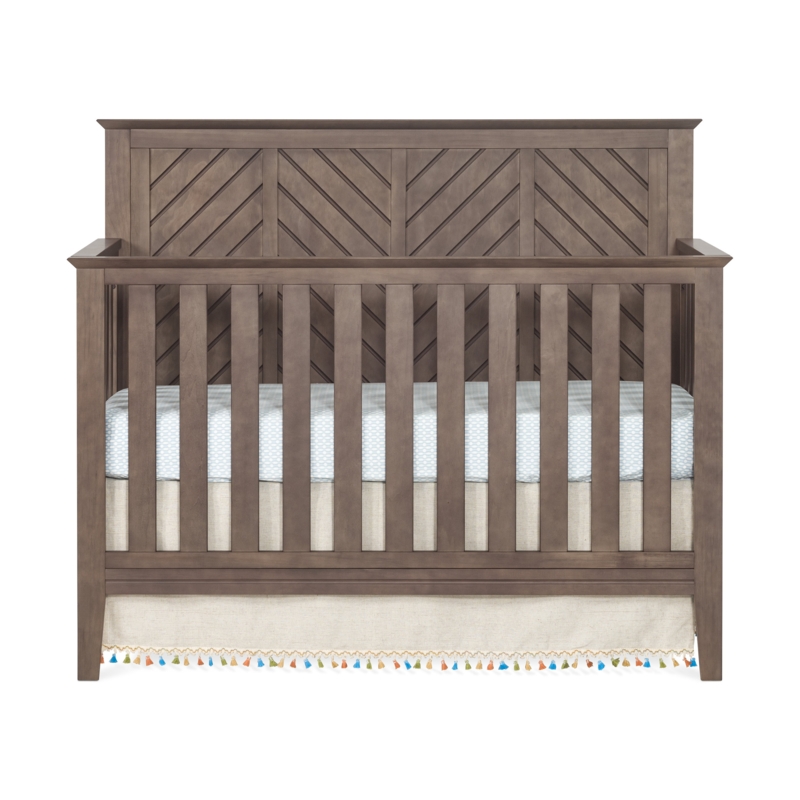
Natural wood baby crib 8

13 Amazing Natural Wood Baby Crib Image Inspiration

Andersen crib maple 1

Andersen Crib (Maple)

Natural wood baby crib 9

/ Xavier's Nursery

Natural Toddler Bed Montessori Bed Crib

Natural Toddler Bed Montessori Bed Crib

If you want to opt for natural and charming furniture for your nursery then this toddler bed is simply the most wonderful choice with its wooden structure and simple lines that complement any modern decor.

Natural nursery ideas

This lovely wooden crib sports a charming design that will not only prove safe enough for your child but will ensure that your baby gets more than enough of restful sleep and is truly comfortable at all times.

Natural wood baby crib 2

Natural looking crib made out of distressed, reclaimed pallet wood with no coat of paint. While it sure does give the nursery room a rustic, unique look, make sure to smooth out the sides so the baby doesn’t get splinters.

Natural wood baby crib 5

Hanging globe. Great color ops. This is my current favorite inspiration!

Natural Wood Baby Crib

Buying Guide

A natural wood baby crib must include these safety features:

  • No more than 2 ⅜ inches in between the bars
  • Crib sides that are at least 26 inches higher than the mattress support
  • Solid headboards, footboards, and corner posts without decorative cutouts that could result in an injury
  • Firm mattress
  • No drop rails
  • Non-toxic paint

Keep in mind that, since 2011, all crib manufacturers have been strictly required to meet these safety standards set by the Consumer Product Safety Commission.

Unless you’re planning on choosing an old or second-hand model, you have nothing to worry about, but those are the main points that you can check for extra peace of mind.

The beauty of natural wood is that most wall colors coordinate exceptionally well, giving you various shades to choose from. When it comes to a natural wood baby crib, there are specific colors and shades that not only look great but are beneficial to your baby, too.

For example, subtle blues are perfect for your baby’s wall color. Opting for light, medium, and pastel shades is soothing and gentle to your child’s eyes, with these colors being great for the relaxation of the body and mind. Other ideal colors and shades that can help calm and pacify your baby are nurturing greens. These shades add a touch of nature to your baby’s room, providing freshness and the feeling of outdoor play.

As well as these colors being extremely beneficial and stimulating to your baby, they are also timeless and go perfectly with natural wood furniture.

The most common crib bedding fabrics include:

  • Cotton

Cotton is a soft, durable, and breathable fabric. Organic cotton is even better since fewer chemical are used to process it, reducing the risk of allergic reactions or skin irritations. Cotton is particularly preferred in the summer, because it keeps the baby cool.

One problem with a cotton sheet is how much it wrinkles when laundered. You can iron it, if you must, but actually, when the sheet is pulled tight across the mattress, many of the wrinkles get stretched out.

  • Linen

Linen is a natural fiber that is absorbent and breathable. Your baby stays dry and comfortable throughout the night. Linen is also hypoallergenic and does not let bacteria, dust mites or other germs to build up.

When they are new, linen sheets are thicker and coarser than other fabrics. Sheets with a higher thread count are softer, but very expensive.

  • Polyester

Polyester is a synthetic fabric less expensive than organic cotton or other natural fabrics. There are satin, microfiber and chenille polyester sheets that are soft and durable. They wash beautifully and without the wrinkles.

Polyester is not as breathable as cotton; you may want to save the polyester sheets for winter.

  • Bamboo

Bamboo is catching up to cotton in the “most popular sheet fabric” competition. It is the choice of parents who want an eco-friendly, natural fiber. Bamboo is hypoallergenic as well as comfortably soft.

Bamboo sheets are not as durable as cotton, linen and polyester.

  • Flannel

Flannel can be made from cotton or polyester. The sheets are strong, soft, cozy and lightweight. Flannel sheets retain heat, so are ideal for the baby born in the winter.

A mattress should be extra firm—so firm that you might find it too firm. It may be for you, but it is not for the baby. If the baby makes a dent in the mattress when lying on it, the mattress is not firm enough.

Also, there should be no gaps between the mattress and the sides of the crib. If you can fit two fingers into the gap, the mattress is too small for the crib and puts your baby in danger.

Typically, you will be choosing between an innerspring mattress and a foam mattress:

  1. Innerspring mattresses are filled with cotton and wool over steel coils. The more coils, the firmer the mattress, while there is enough cushion to keep the mattress comfortable. Also, the coils evenly distribute the baby’s weight and contour to the body for better spinal alignment. These mattresses are, by far, more durable if you plan on using it again or hand it down. They are also more expensive.
  2. Foam mattresses are made with lightweight polyurethane foam. The foam may be memory, gel or organic.
  • Memory foam is known for its contouring abilities.
  • Gel foam keep body temperature regulated and conforms to the body.
  • Organic foam is not made with toxic chemicals.

Foam mattresses are much less expensive than innerspring. That doesn’t mean that you should pass one up. They do not last as long, they cost less—it may all even out for you.

Toddlers can use mattresses that are a bit less firm. You might consider mattresses that are reversible: one side for an infant, the other for a toddler.

Buy a mattress that is:

  • Fitted and no more than an inch thick. The pad needs to fit snugly so that it does not slide, shift or bunch.
  • Hypoallergenic, especially for a baby with allergies or sensitive skin.
  • Temperature regulating with a fabric that adapts to the baby’s body temperature to keep your little one cool and comfortable.
  • Stain repellent to repel and release stains and odors.

A crib mattress pad provides an extra layer of protection at a modest price. It protects the mattress and, therefore, the baby from mites, dust and other environmental irritants. Also, a pad is much easier to clean than a mattress to keep the crib sanitary and fresh.

When choosing sheets for the crib, take the following features into consideration:

  • Fitting

There are two major types of sheets: fitted sheets and flat sheets. Never use flat sheets! They are a proven safety hazard. You want a fitted sheet with a strong elastic band that is about one inch wide—a sheet that fits like a second skin. There can be no excess fabric for the baby to grab or pull on.

  • Thread Count

The higher the thread count, the thicker and softer the material, the more expensive. But your baby will be more comfortable and the higher count sheets last much long. It is better to buy a few sheets that are more expensive than buy many sheets of a lesser quality.

  • Weave

The standard weave pattern is one stitch over, one stitch under. This is a durable stitch, and it makes the sheet soft to the touch, but it is also more susceptible to wear and tear.

A percale sheet has a tighter weave and is a higher quality. It is strong and durable and has that crisp feel that many people prefer.