Patio dining chairs are constructed using a wide variety of materials. The most important thing is to pick materials that can withstand the specific weather conditions in your area. Outdoor furniture is exposed to many downsides including rust and corrosions, warping, mold, fading, and others. But different patio dining chair materials have benefits and drawbacks.
Here’s a breakdown of various materials and their pros and cons:
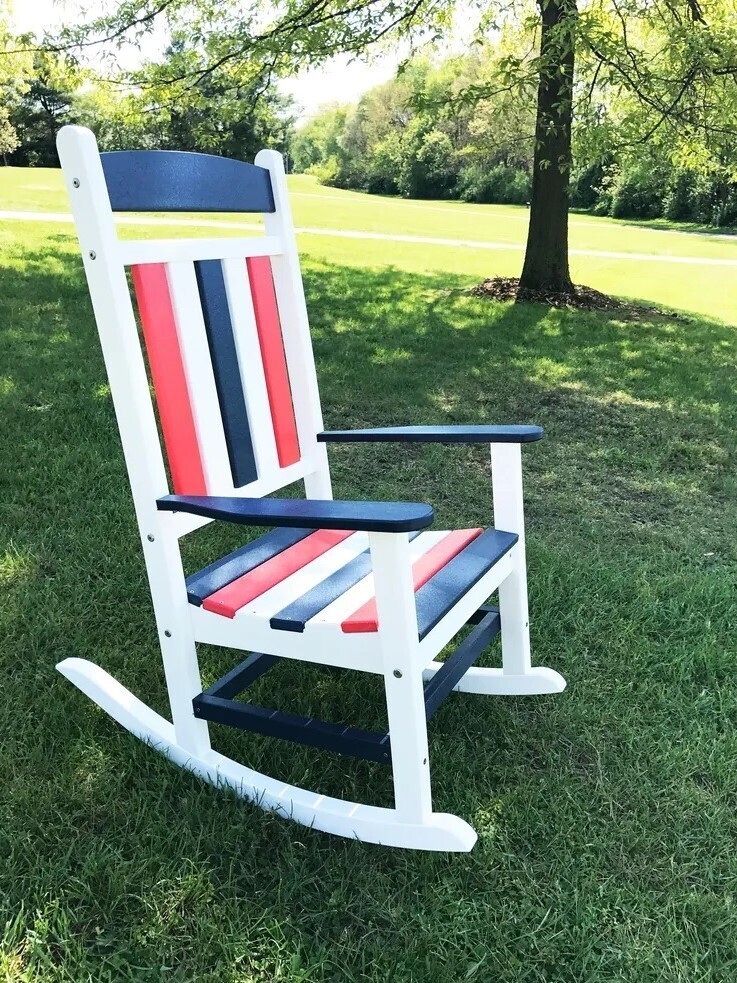
Wood is one of the most popular materials when it comes to patio dining chairs. Wood has a natural beauty that appeals to many people. It’s easier to customize as well. The biggest downside with wood is the fact that it doesn’t resist tough weather conditions well. For instance, wooden outdoor dining chairs may start to rot when exposed to moisture. They may also harbor mold and mildew.
Despite this, several types of woods are used to make outdoor furniture, including patio dining chairs. If you want durable wood that will last for years even under tough weather conditions, go for hardwoods. They may be relatively expensive but they deliver excellent value for money, especially because of their longevity.
Some of the most popular hardwoods used for outdoor furniture include Eucalyptus, ipe, white oak, and teak. Teak, in particular, is a very popular choice for outdoor wooden dining chairs. It’s highly durable, doesn’t warp, and does a better job at repelling water and moisture. This increases its longevity substantially.
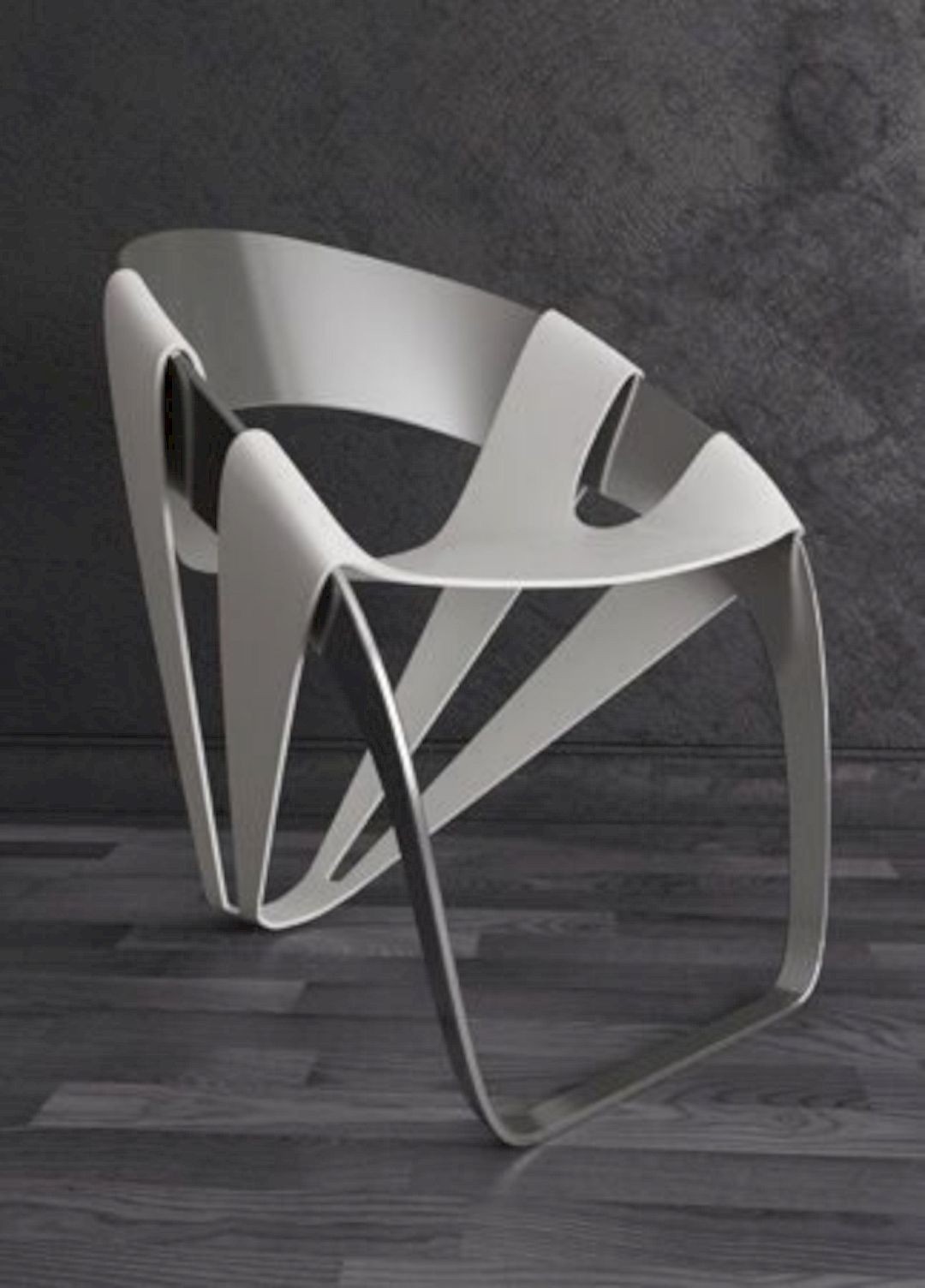
Typically, metal is the strongest and perhaps even the most durable material for patio dining chairs. The only challenge with metal chairs is comfort. However, they can be padded and upholstered to enhance comfort.
Another advantage of metal is the fact that the frames are very thin. This means they can be bent and crafted to create intricate shapes that enhance the overall appeal of the dining chairs. Although some metals are vulnerable to rust and corrosion, others like aluminum and stainless steel don’t corrode even when exposed to plenty of moisture.
Besides, stainless steel tends to be relatively heavier. Even though this may be an issue when you’re trying to move the chairs around, it can be a plus in keeping the chairs firmly on the ground during strong winds. Sadly, various metal dining chairs tend to retain heat and may become very hot during summer days. This may make them uncomfortable to use.
Other than that, metal is often the most recommended option for patio dining chairs. In addition to aluminum and stainless steel, you may also consider chairs made from wrought iron.
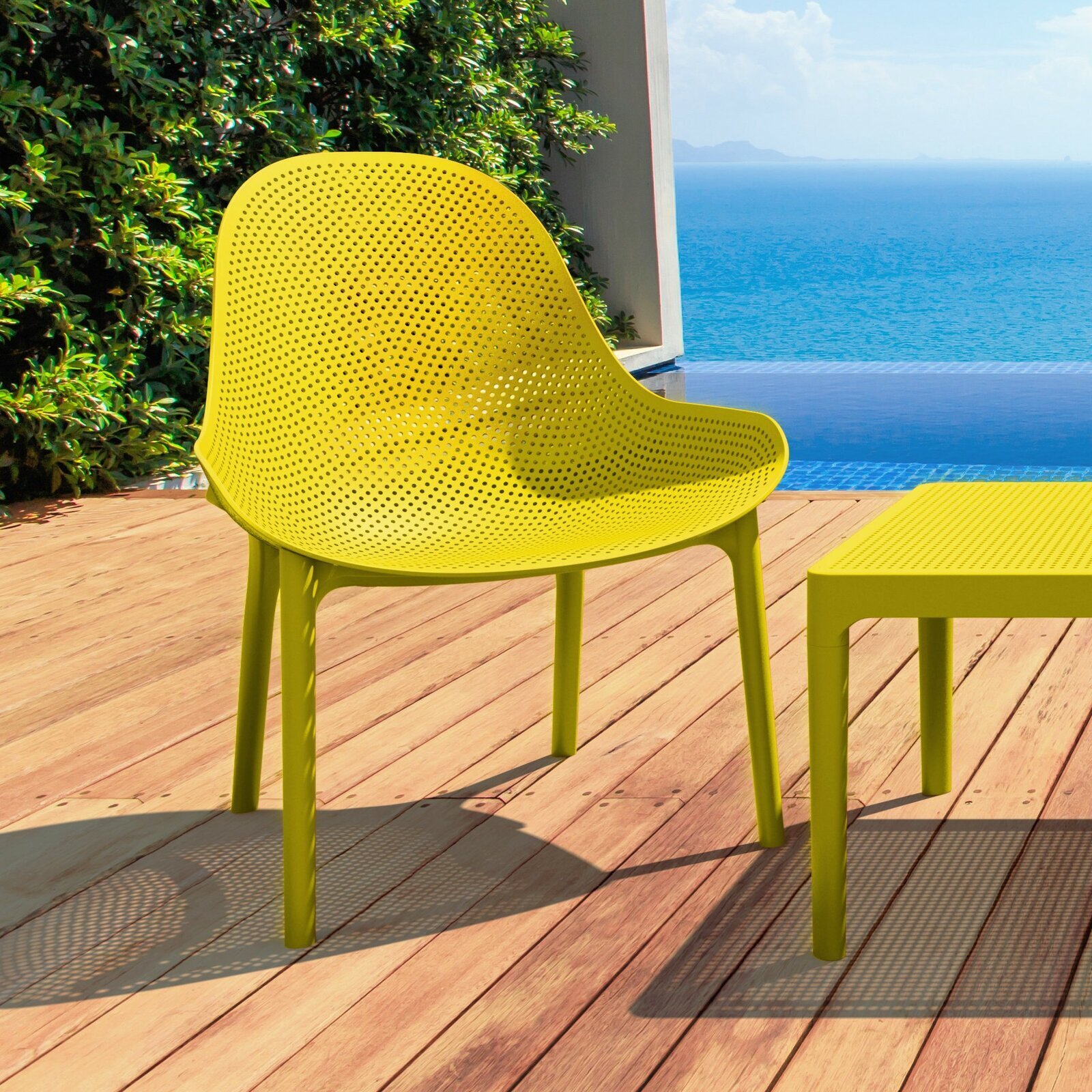
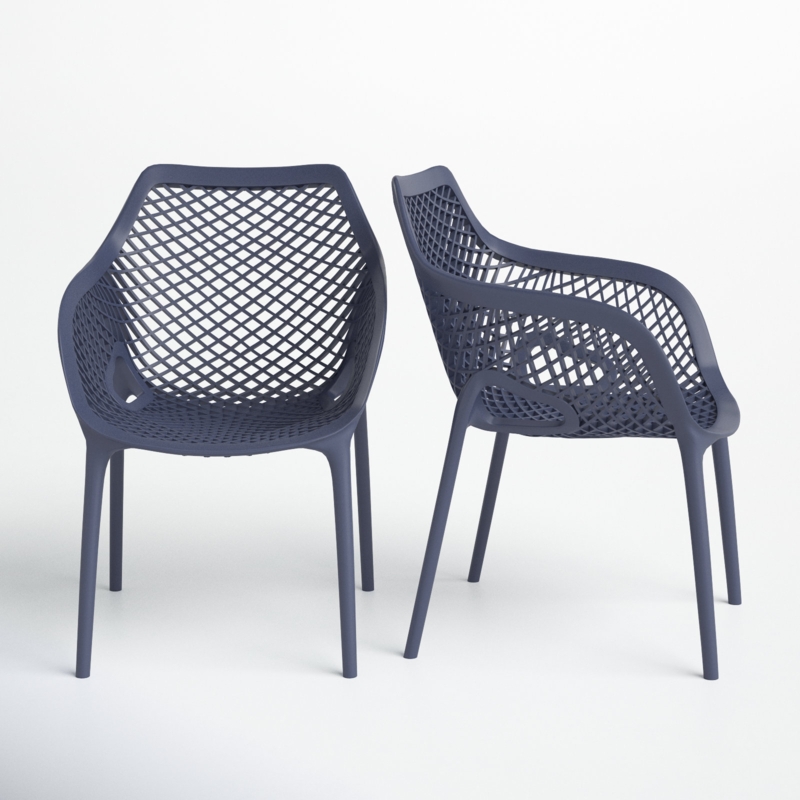
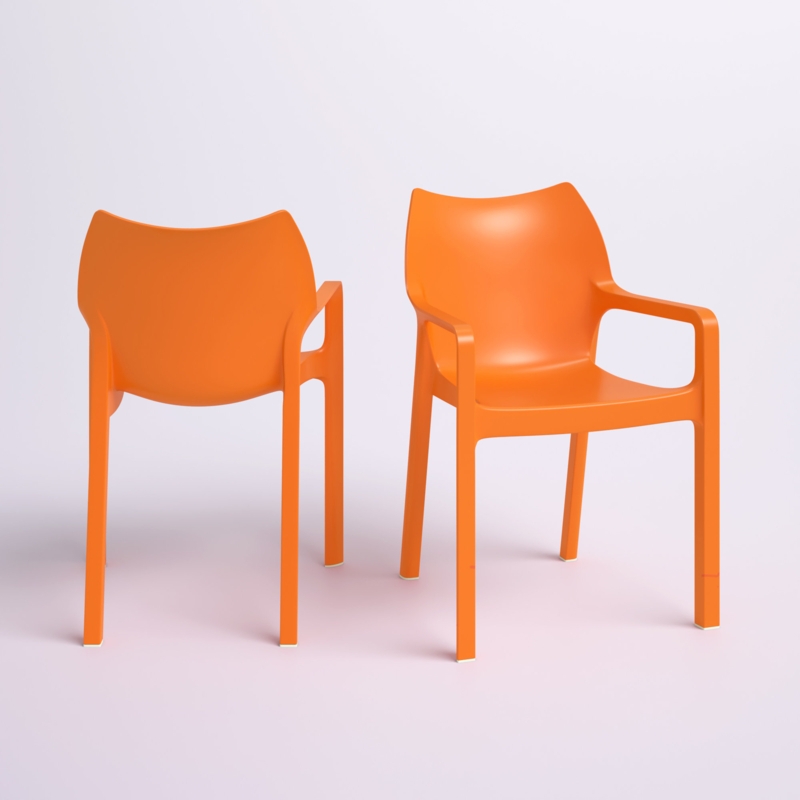
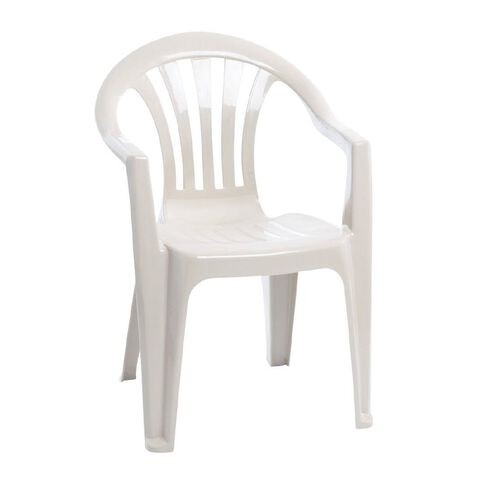
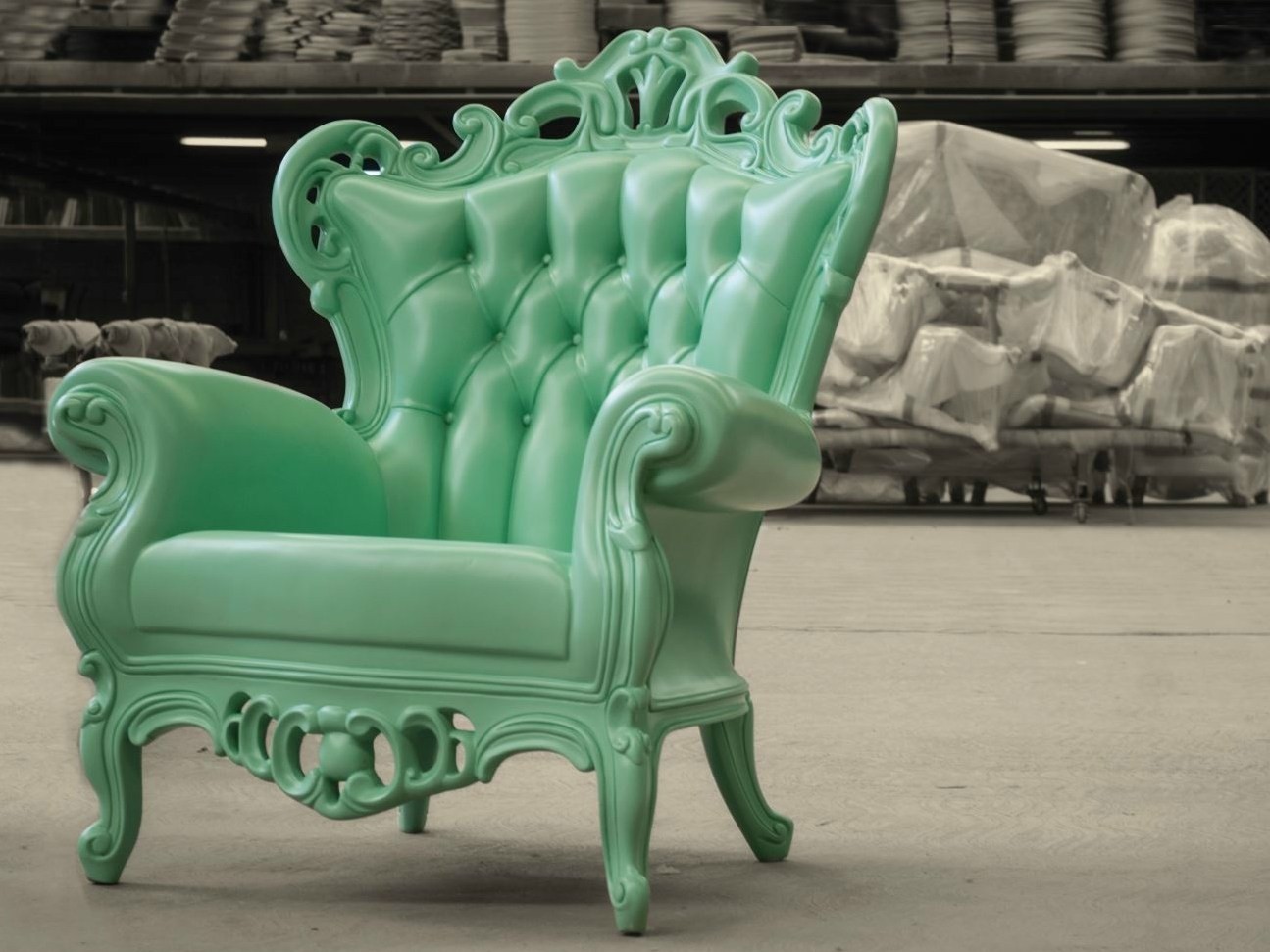
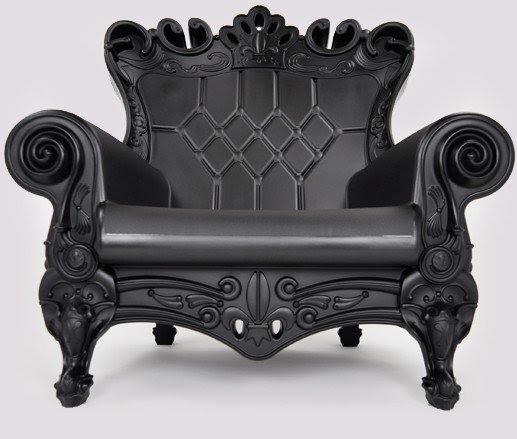
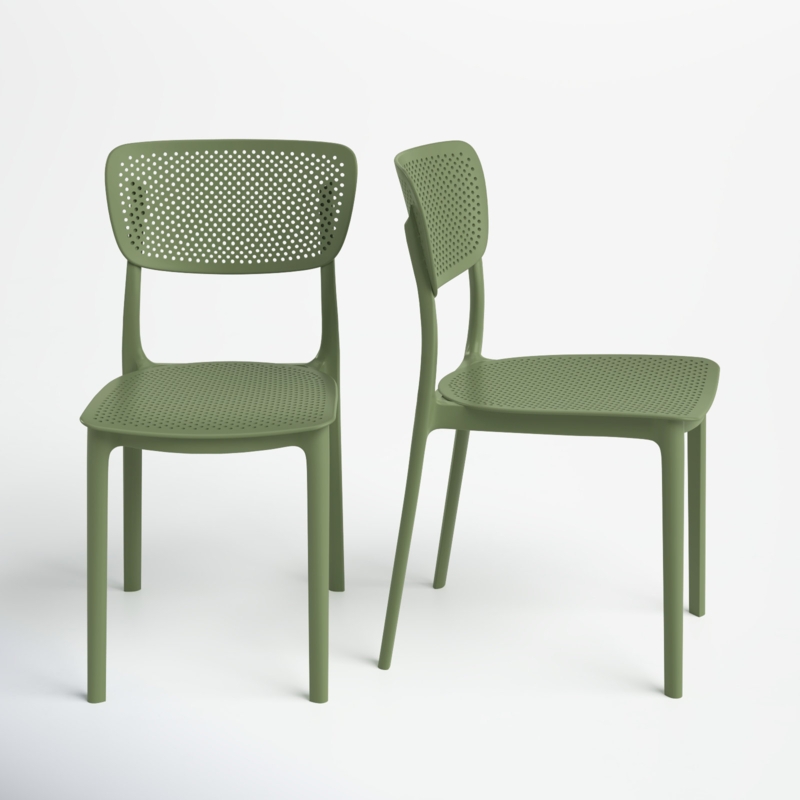
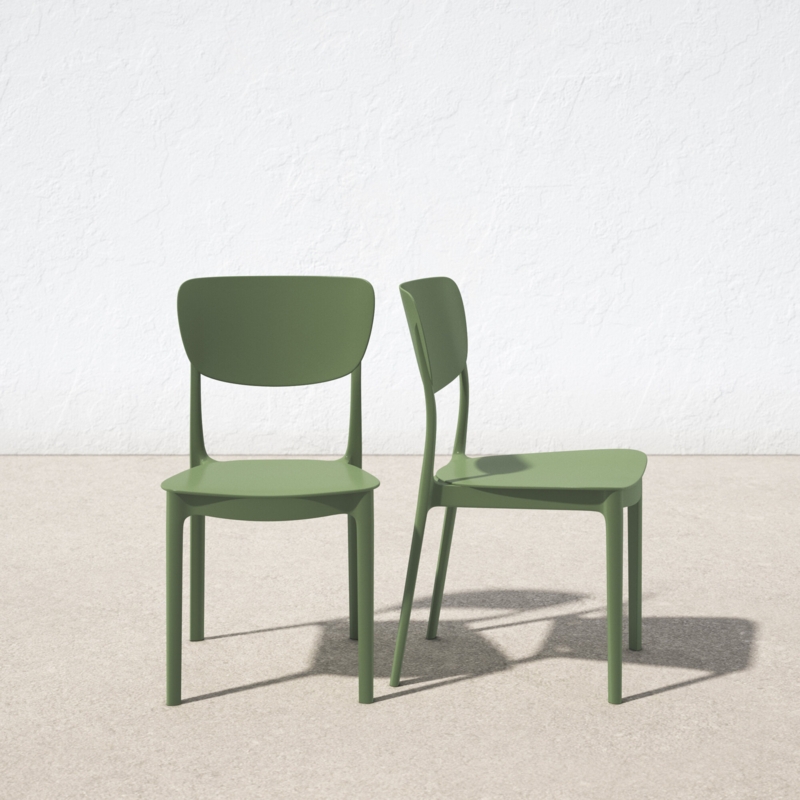
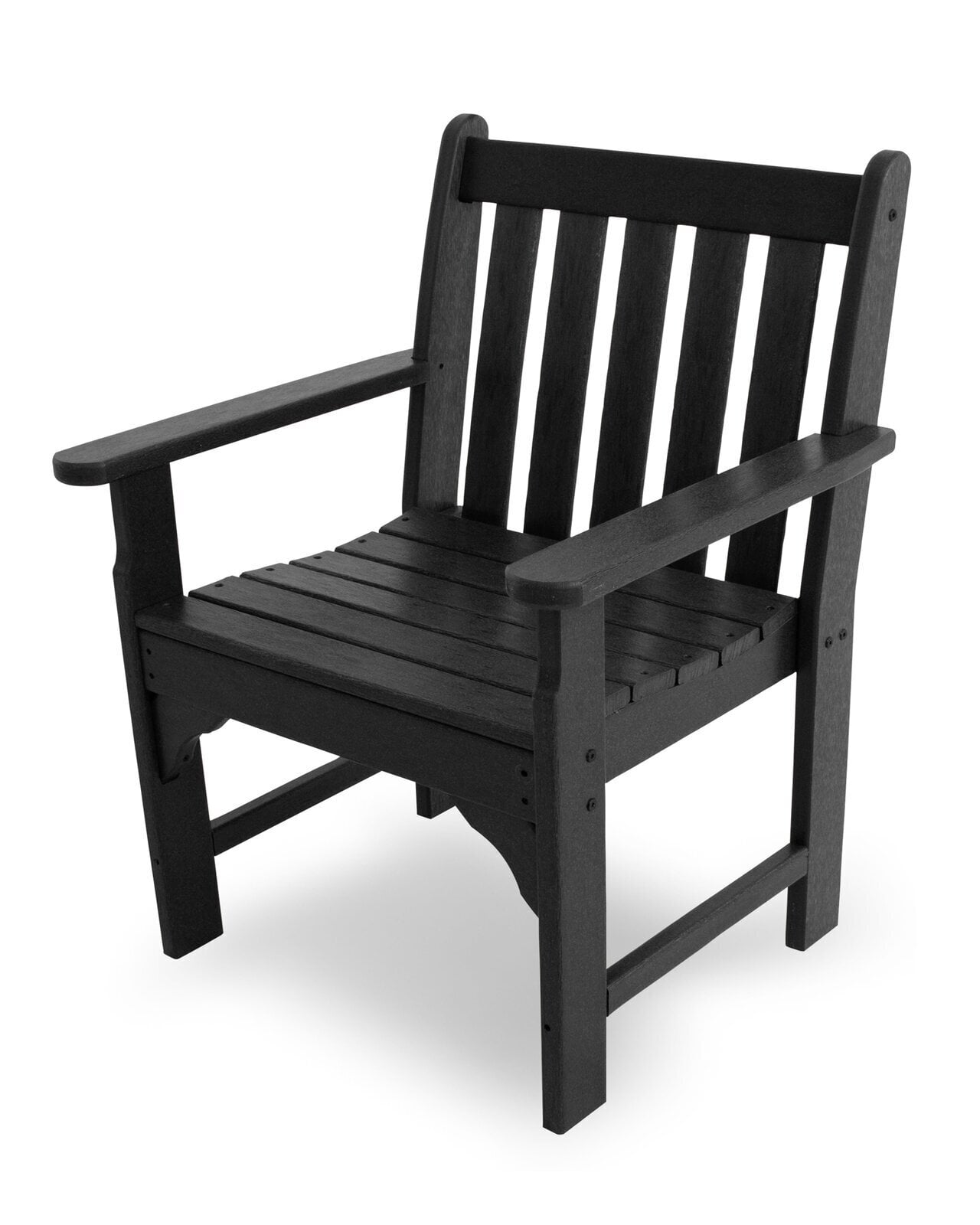
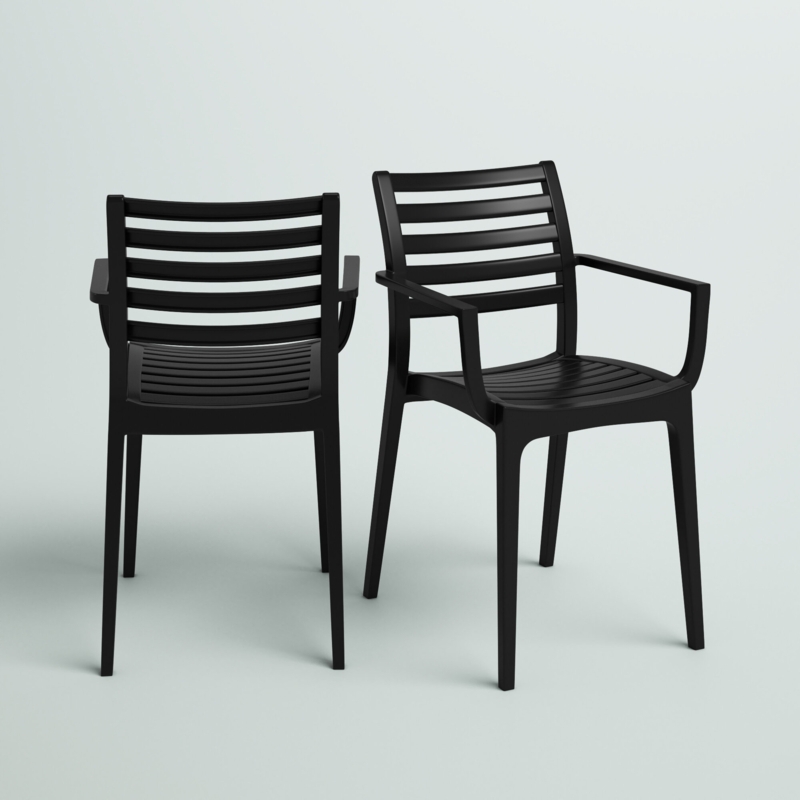
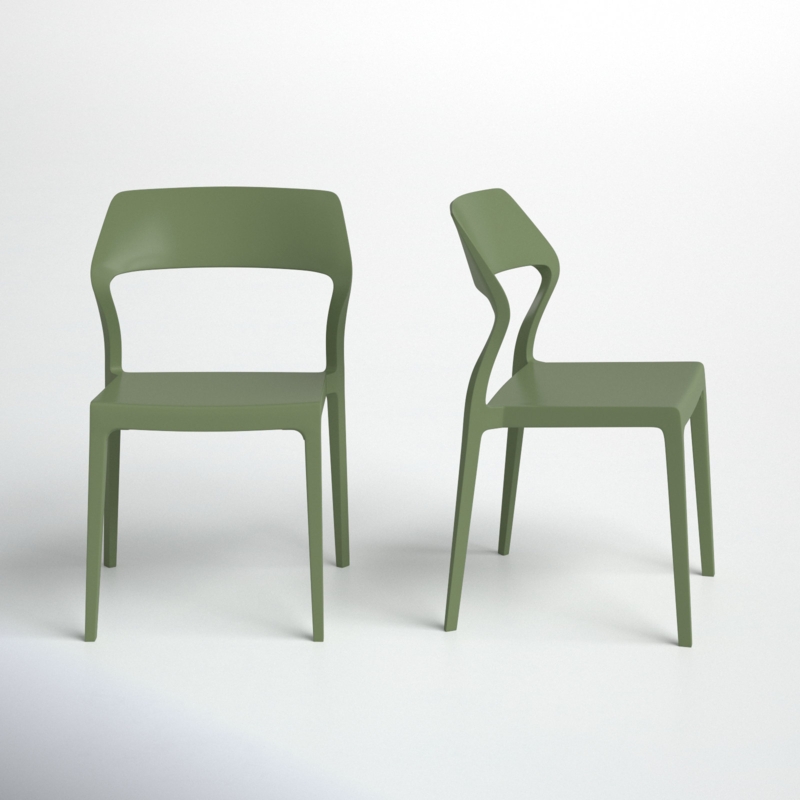
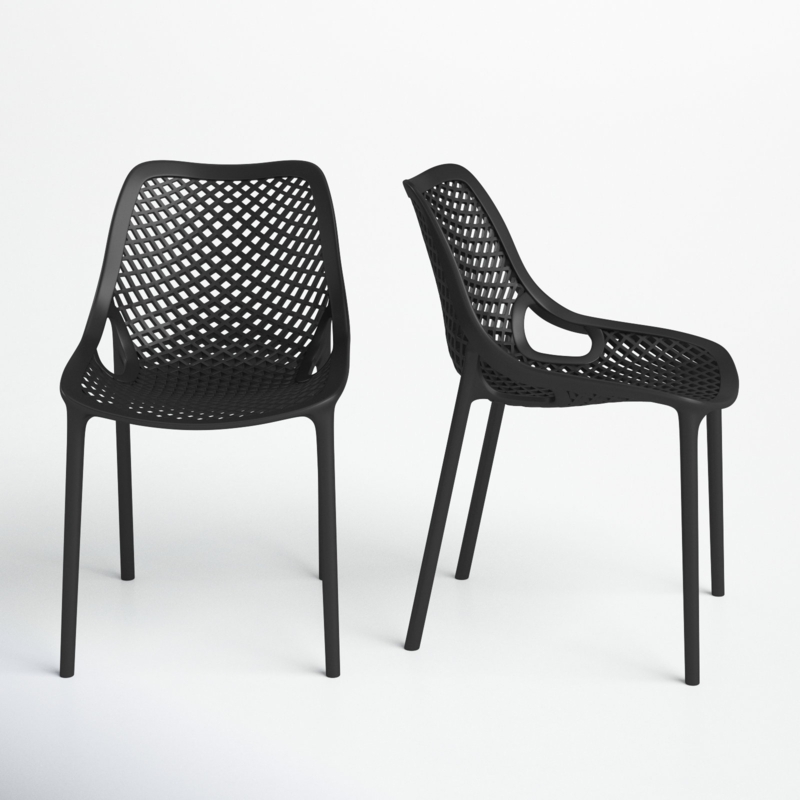
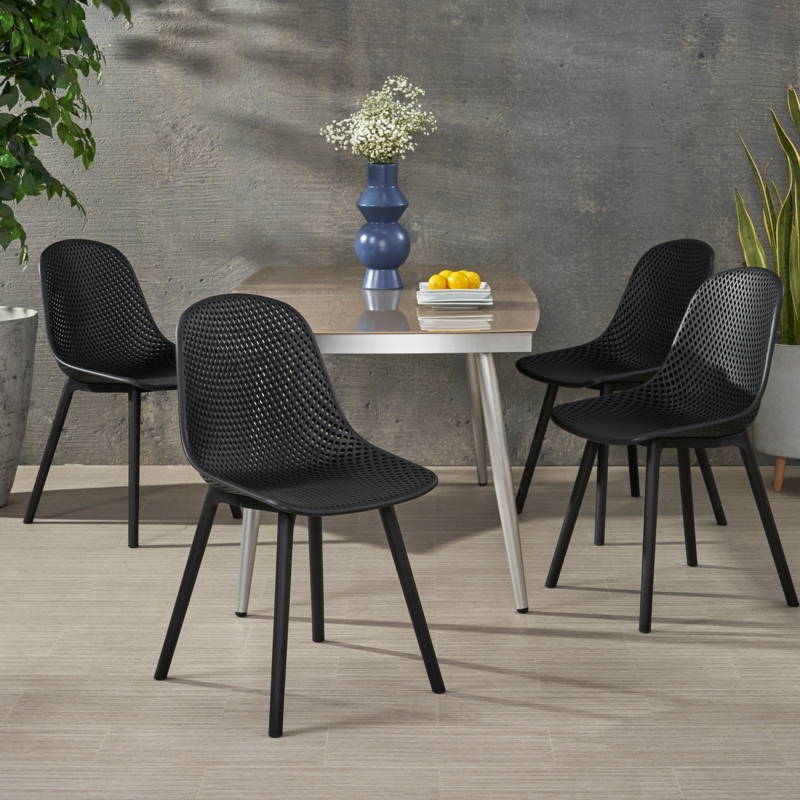
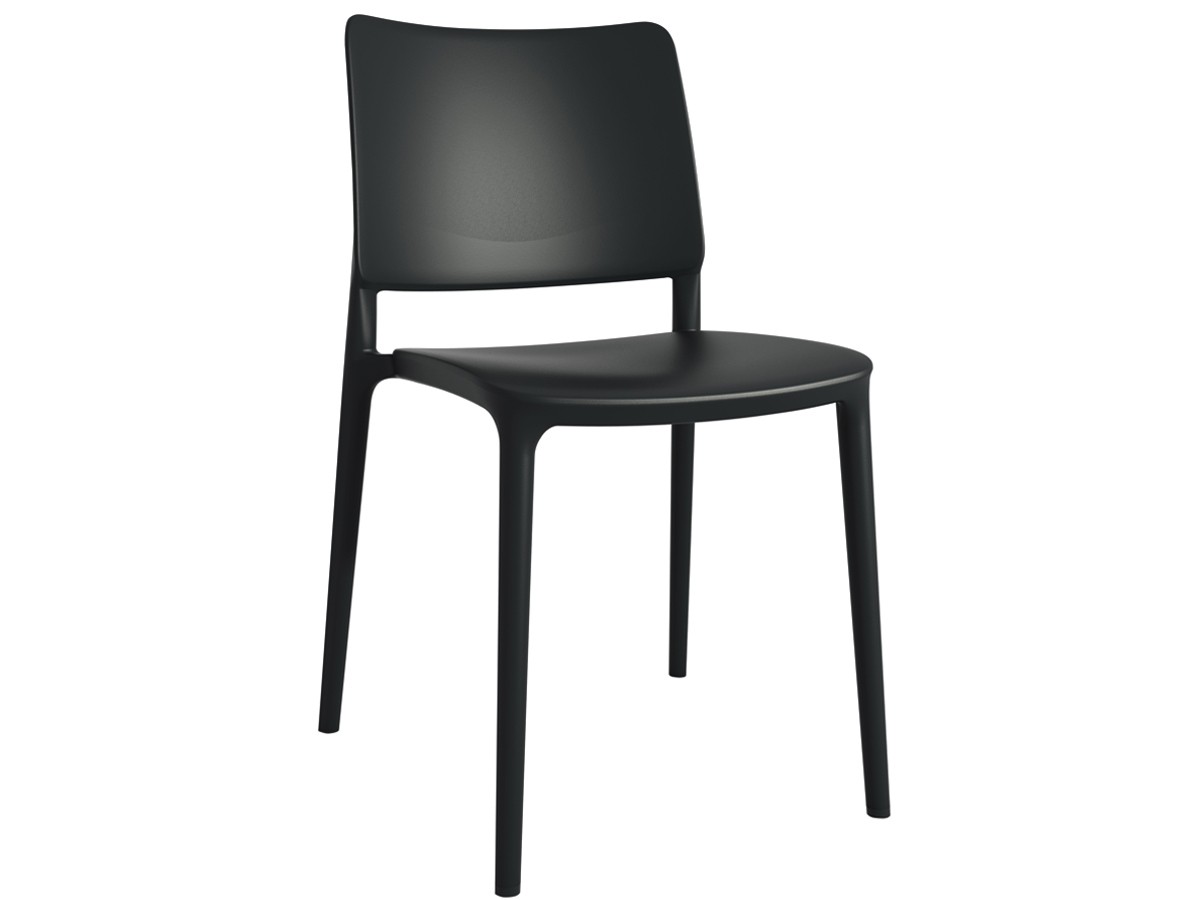
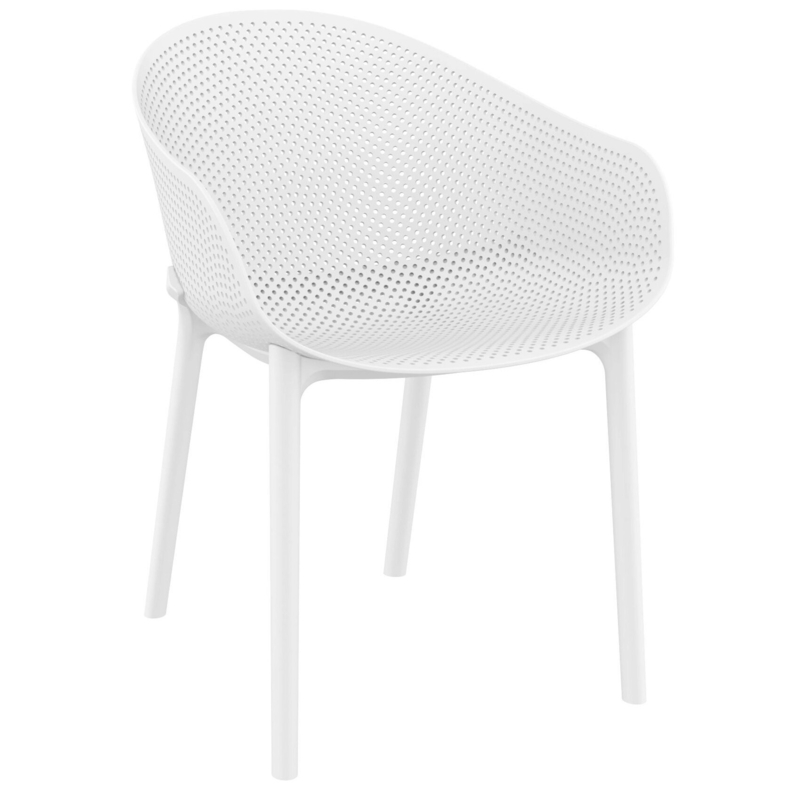
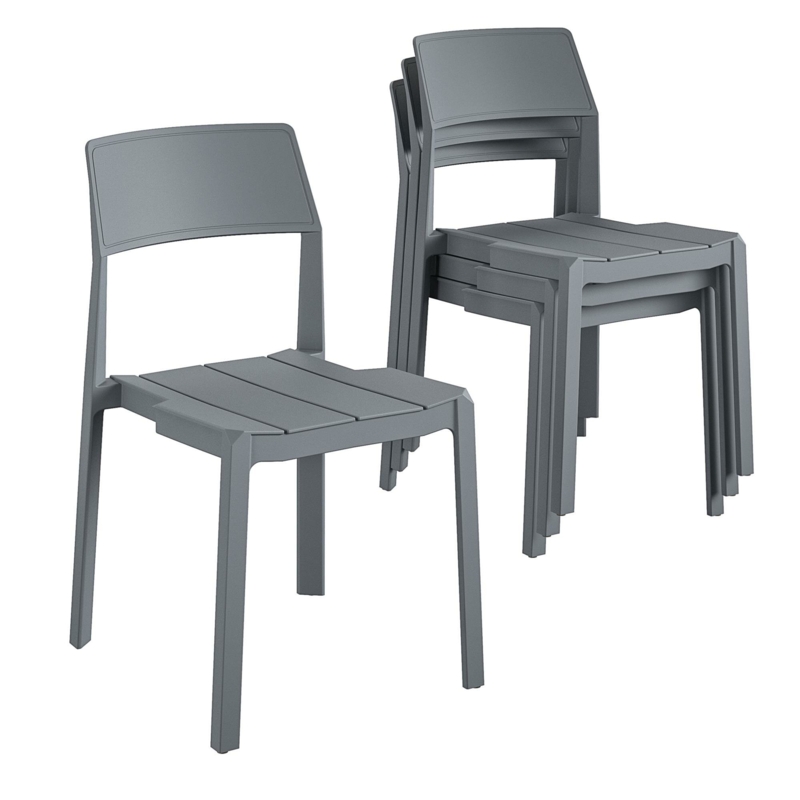
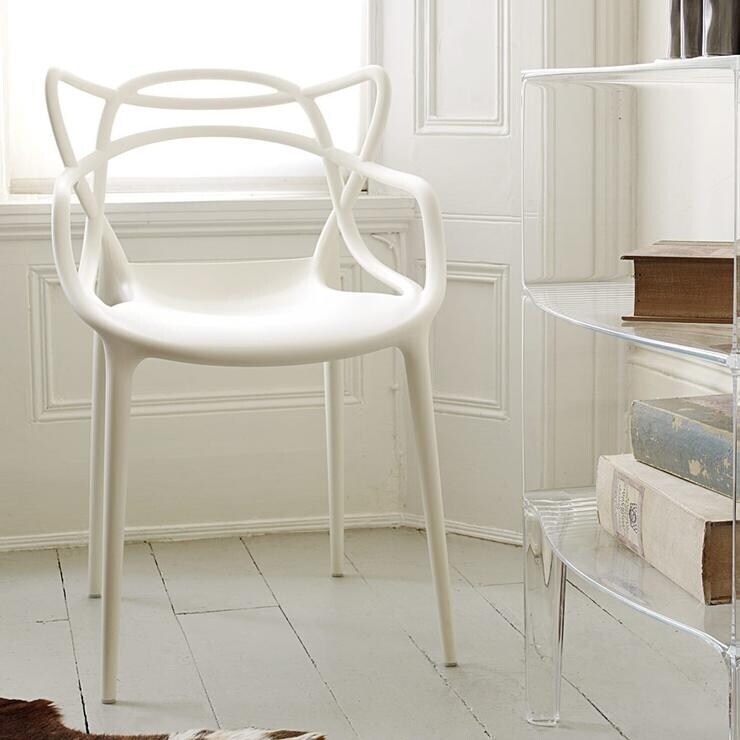
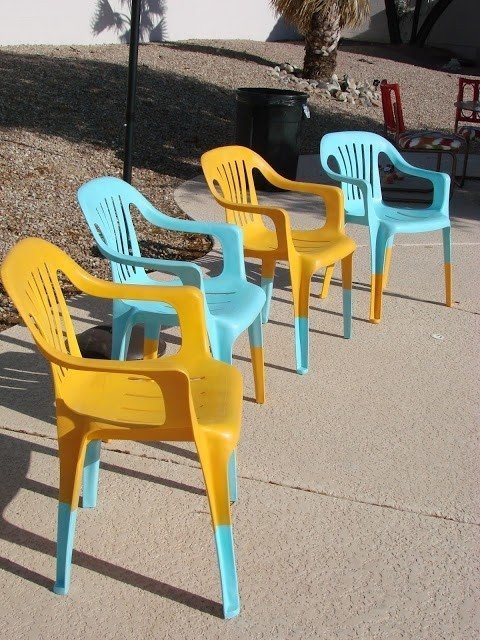
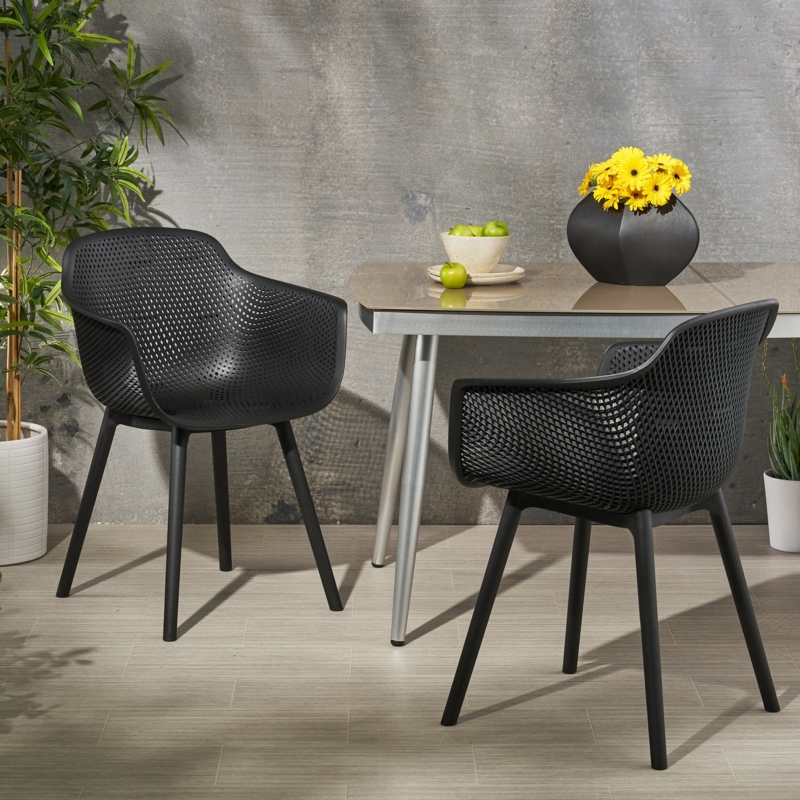
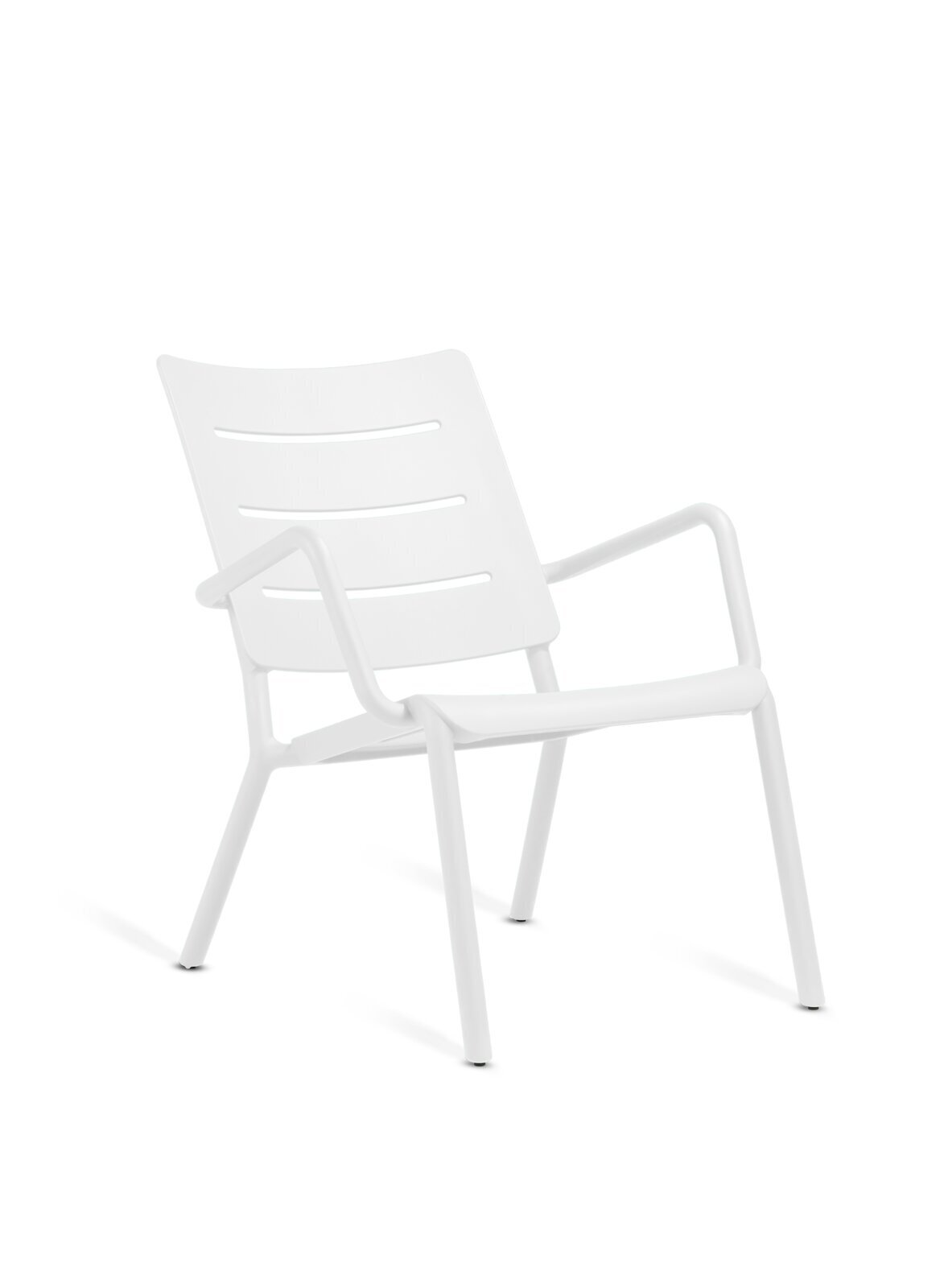
These manmade synthetic materials are traditionally very affordable. In fact, plastic patio dining chairs tend to be the cheapest in the market. They are very lightweight too so it should be easy to move them around. Plastic is also heat resistant and very easy to clean.
Plastic and resin are fade-resistant and won’t require any expensive sealants or paint to maintain their sleek and new look. The only challenge with plastic and resin is the fact that they don’t look as classy as other materials.
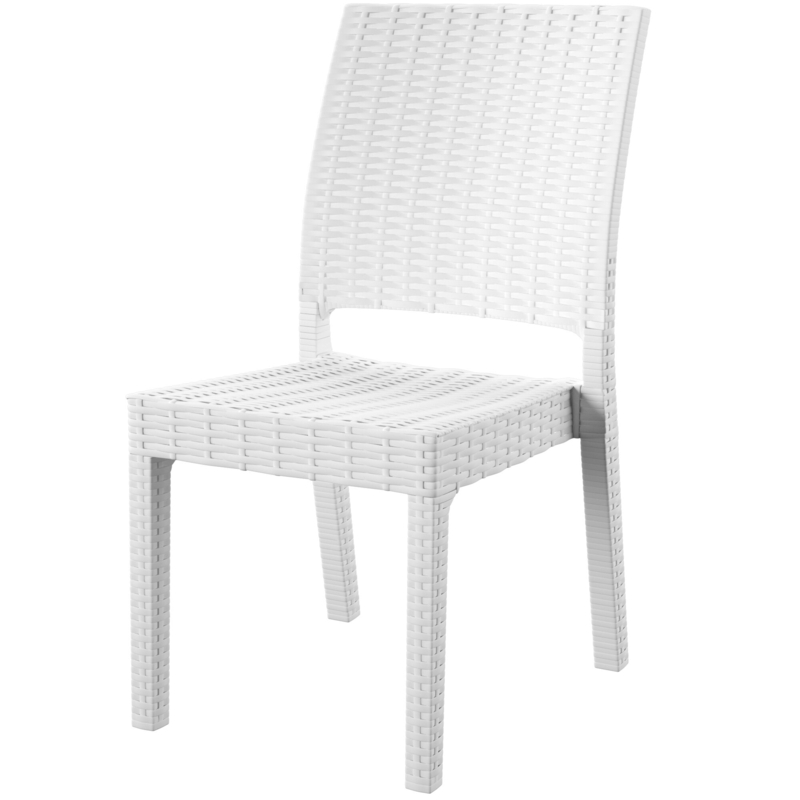
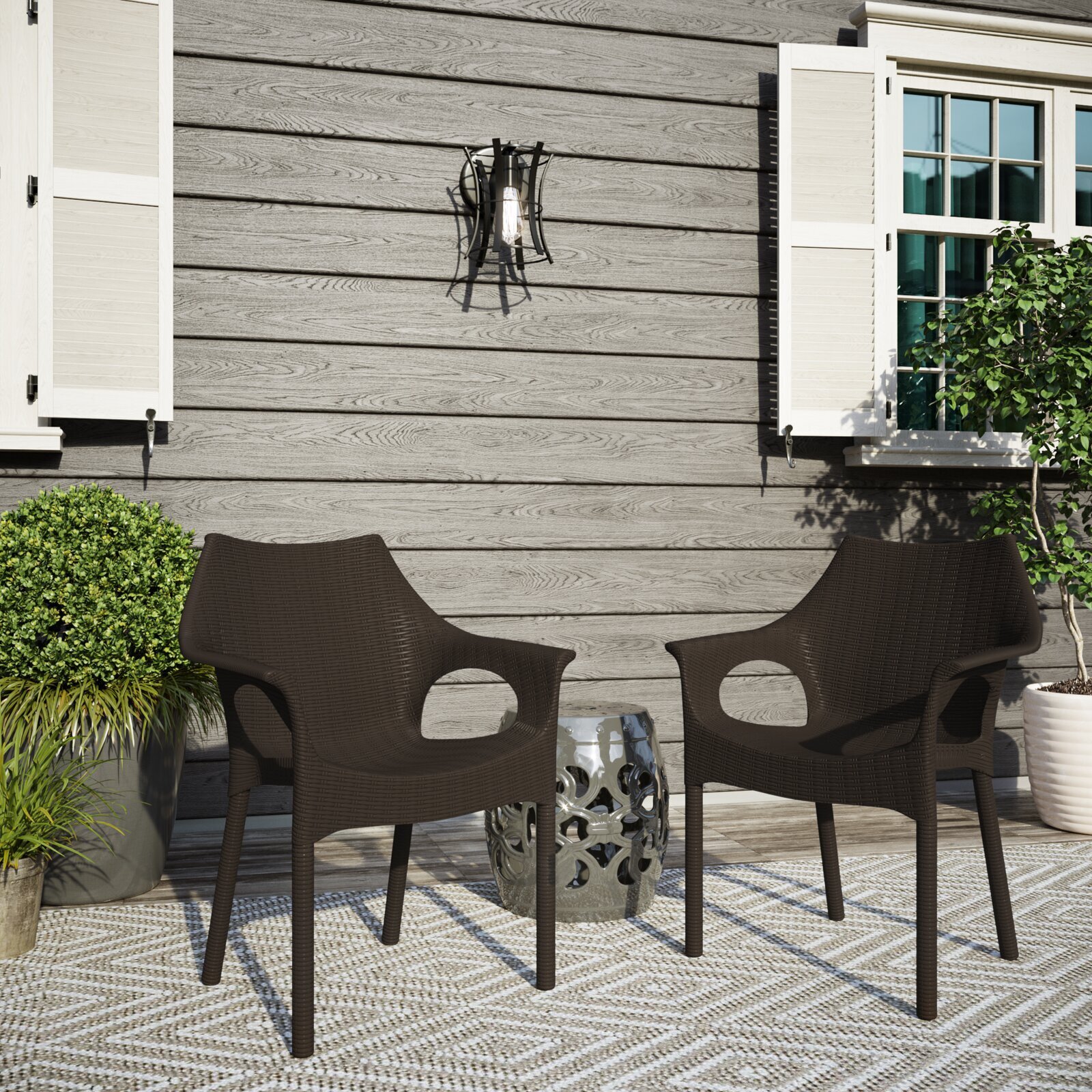
Wicker is a very common choice for outdoor furniture and you are more likely to come across patio dining chairs made from this material. Wicker has some amazing benefits. First, it’s weather-resistant and very durable. Wicker also has a certain unique appeal and elegant style that will add immense value to your patio decor.
The material is easy to clean and is relatively more natural compared to other materials with the exception of wood. The only challenge with wicker is that it’s very lightweight so it may not be able to resist heavy winds. But this can be sorted by using a heavier wooden or metal frame to support the wicker chairs.