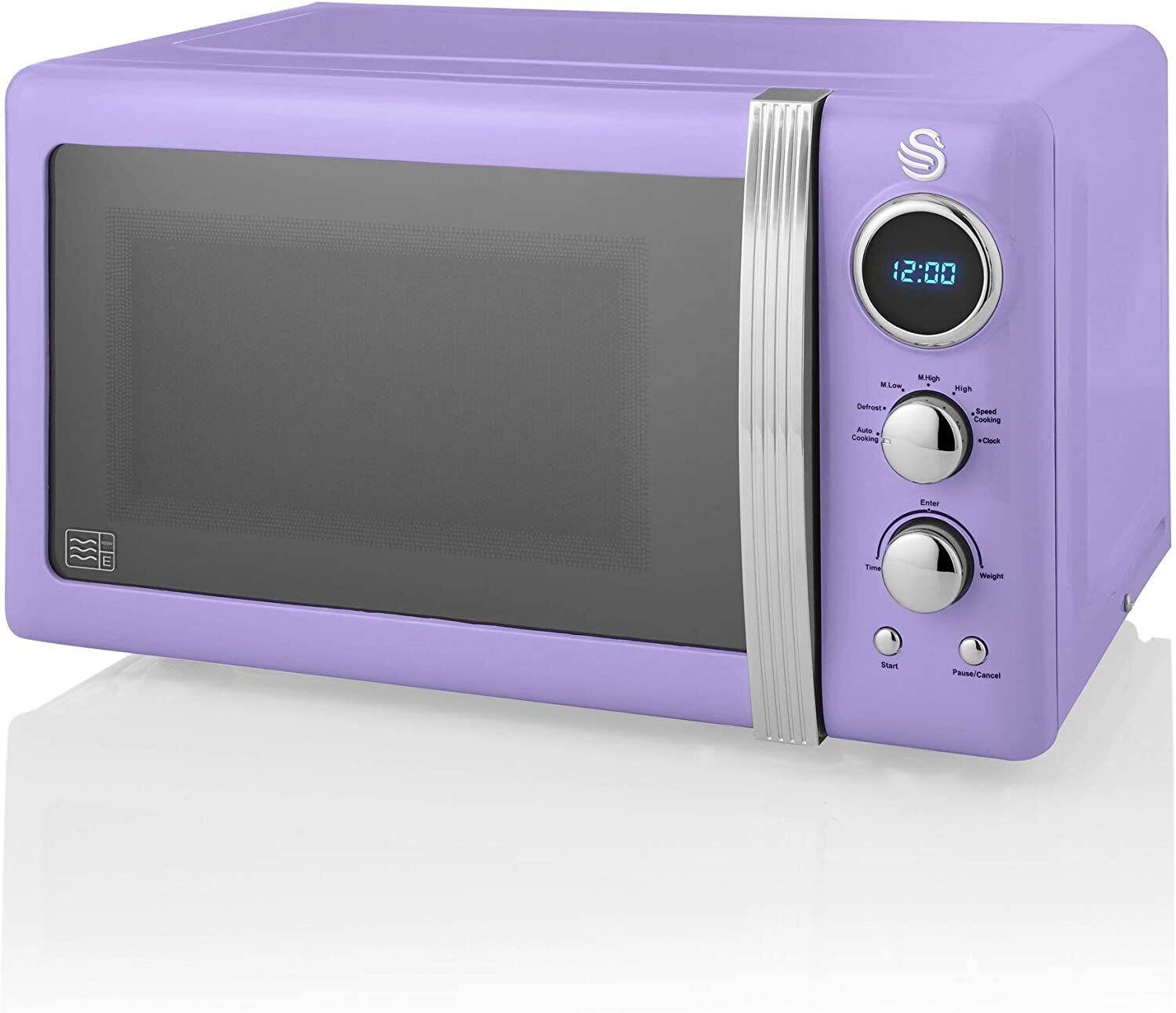
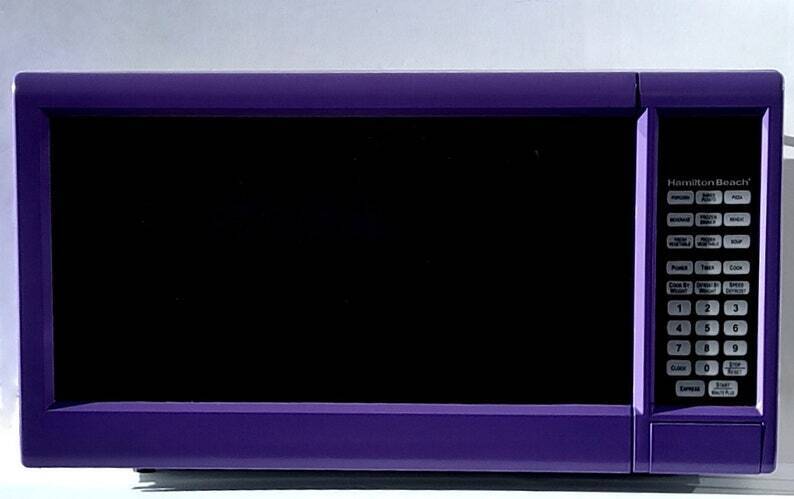
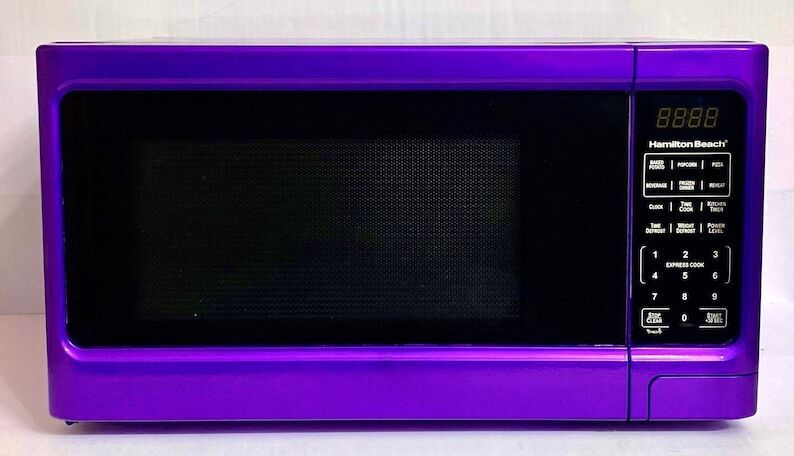
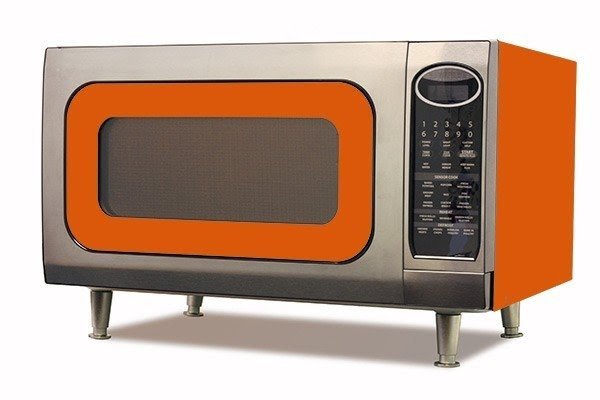
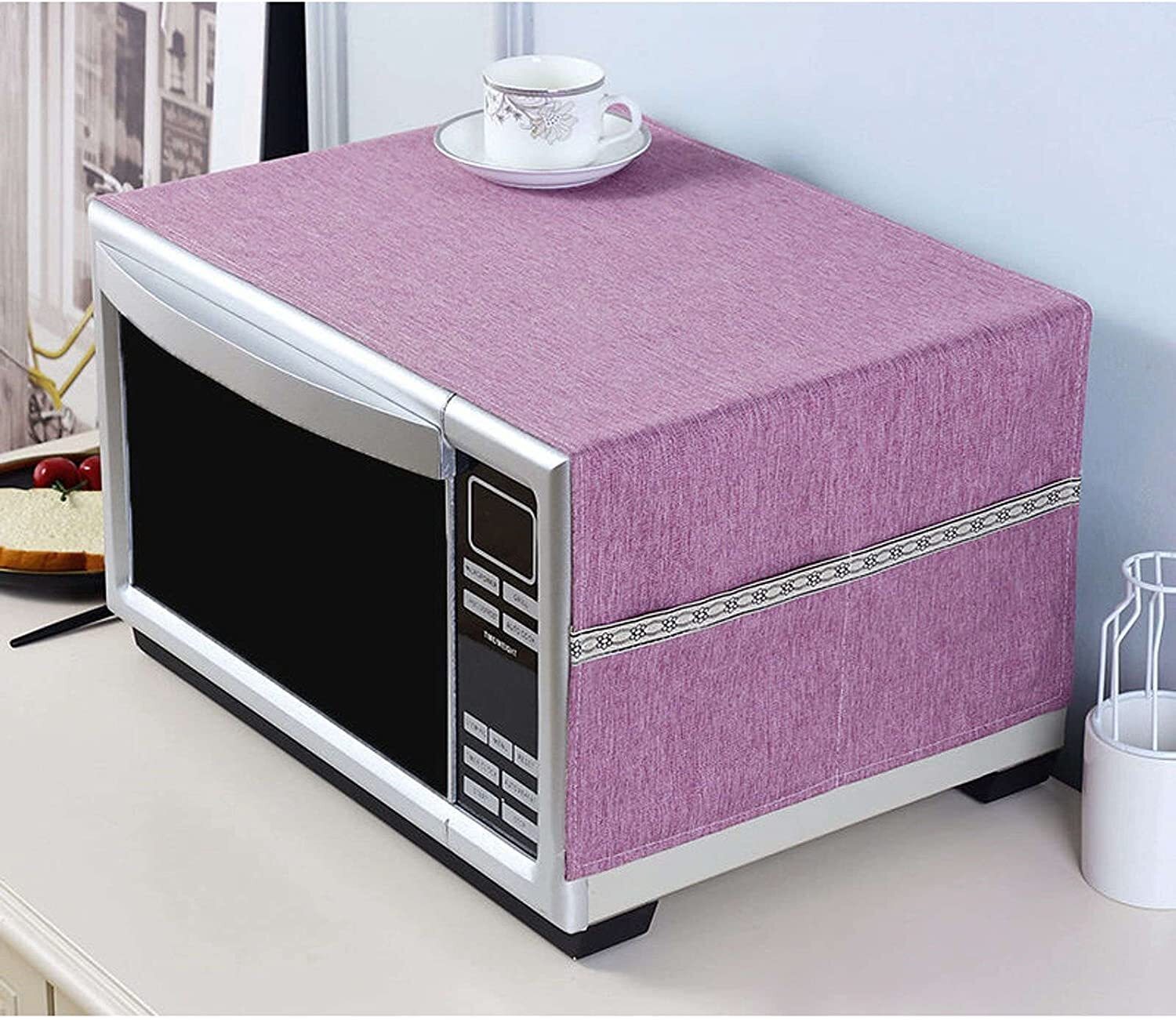
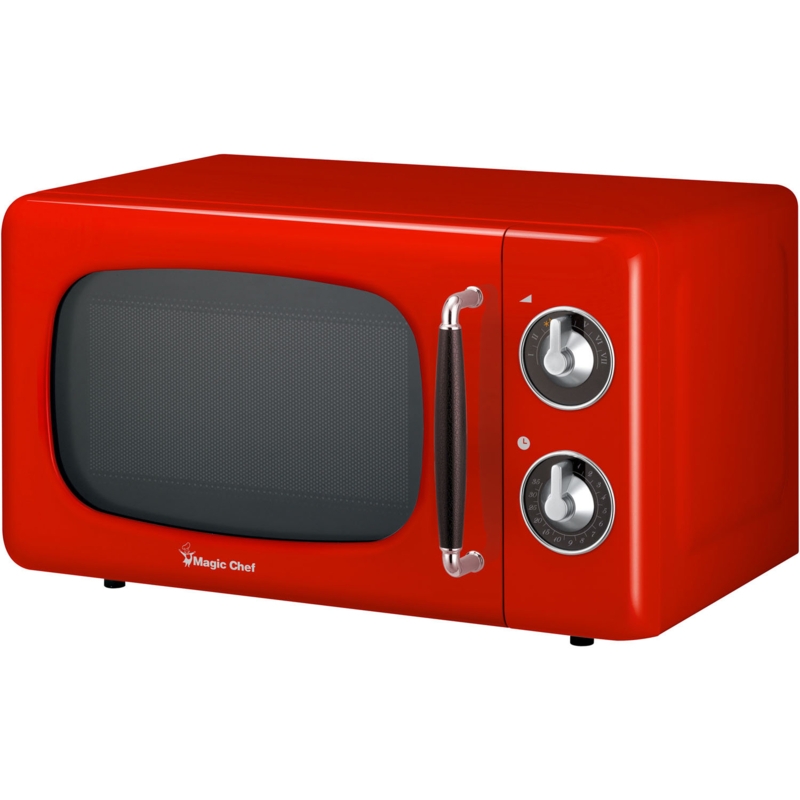
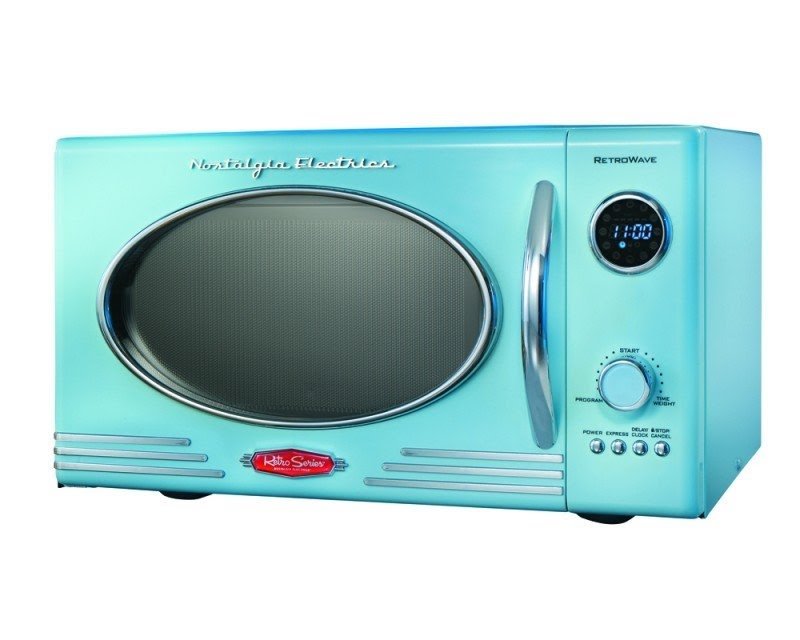
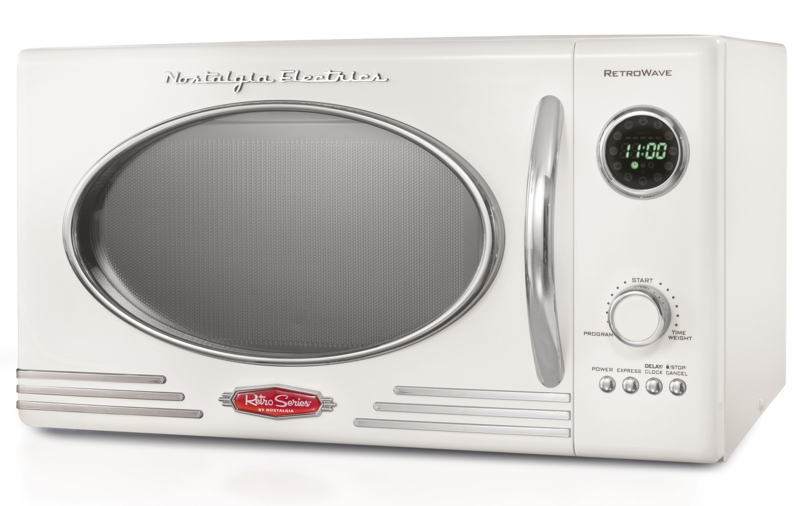
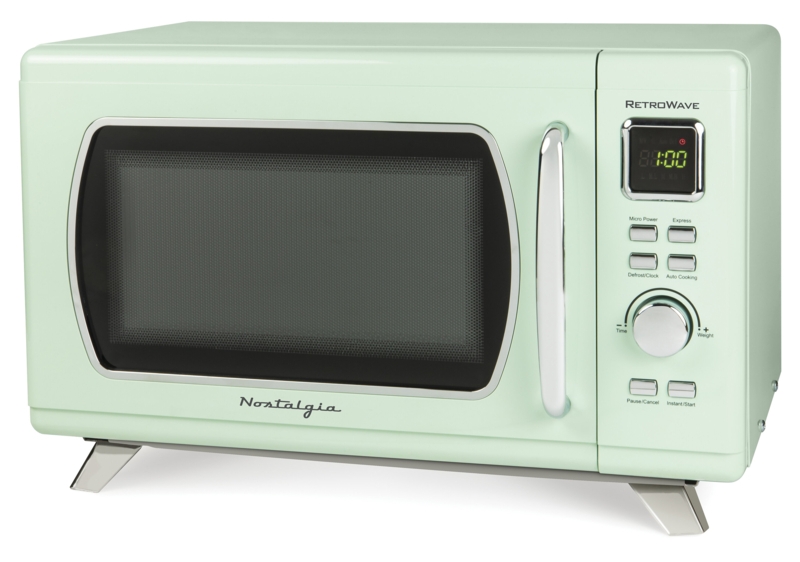
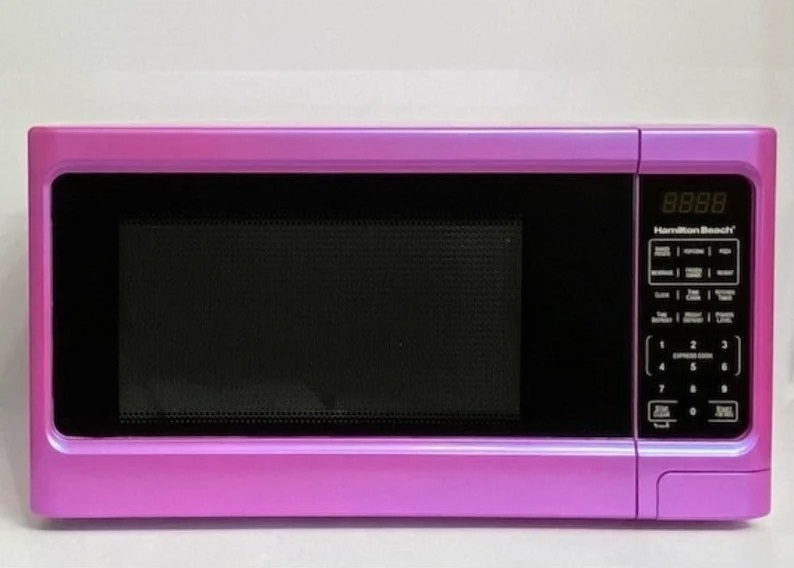
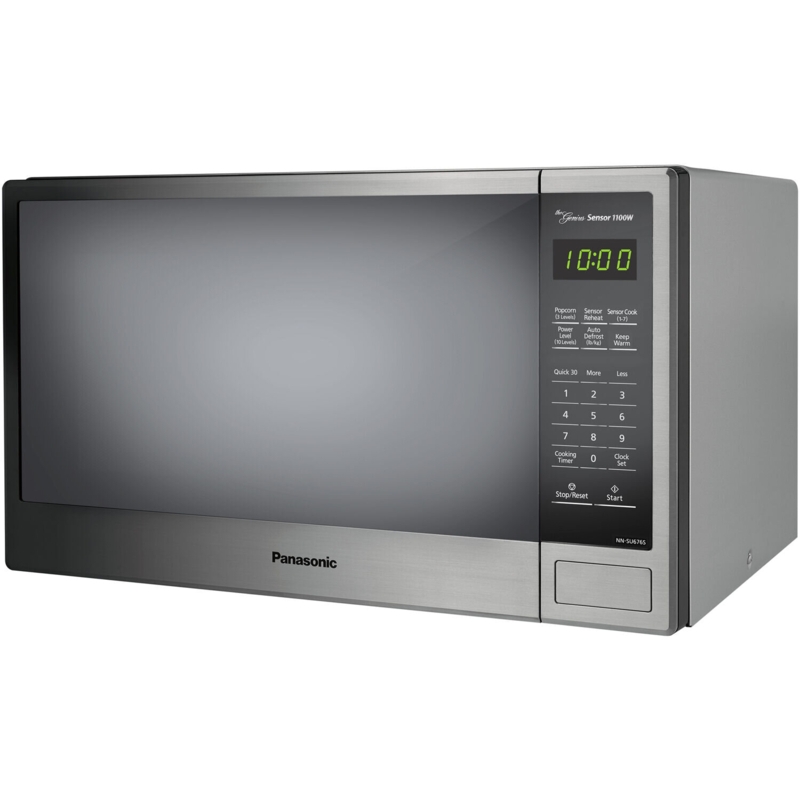
As familiar as you probably are with microwaves, you may not be aware of the various types of microwaves available. Let's get started with the most common, the Countertop Microwave.
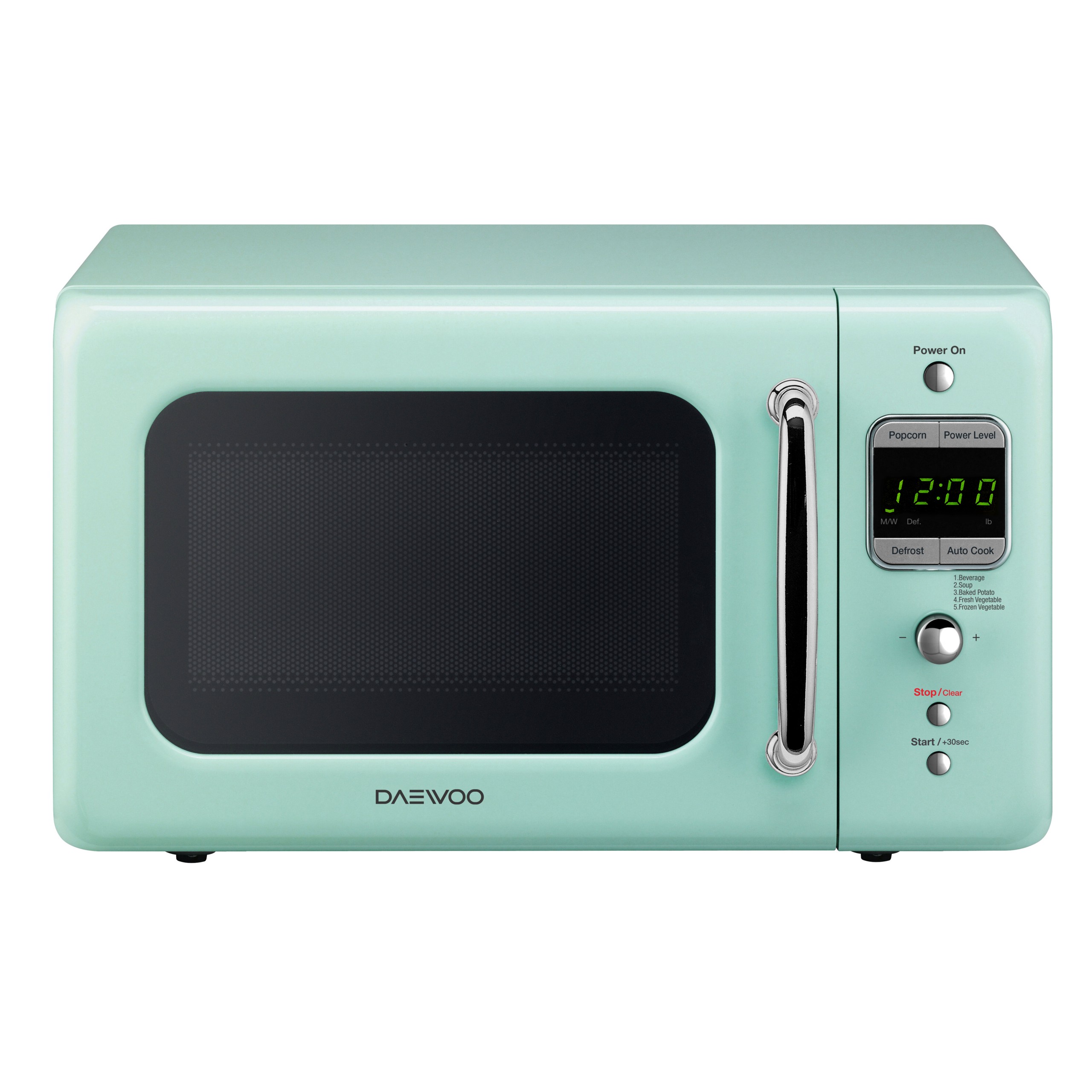
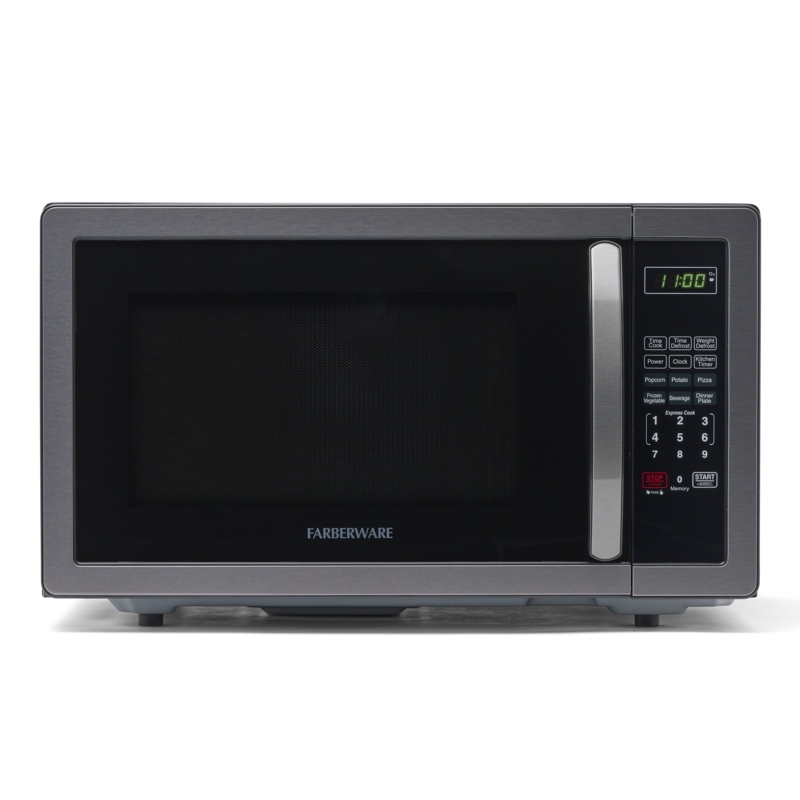
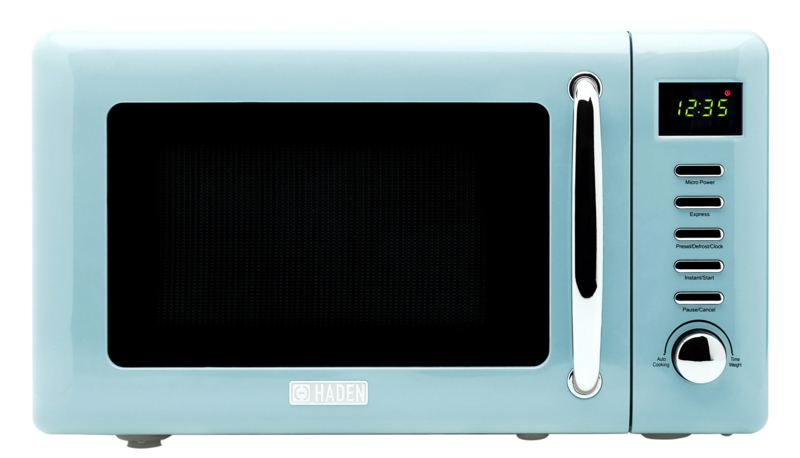
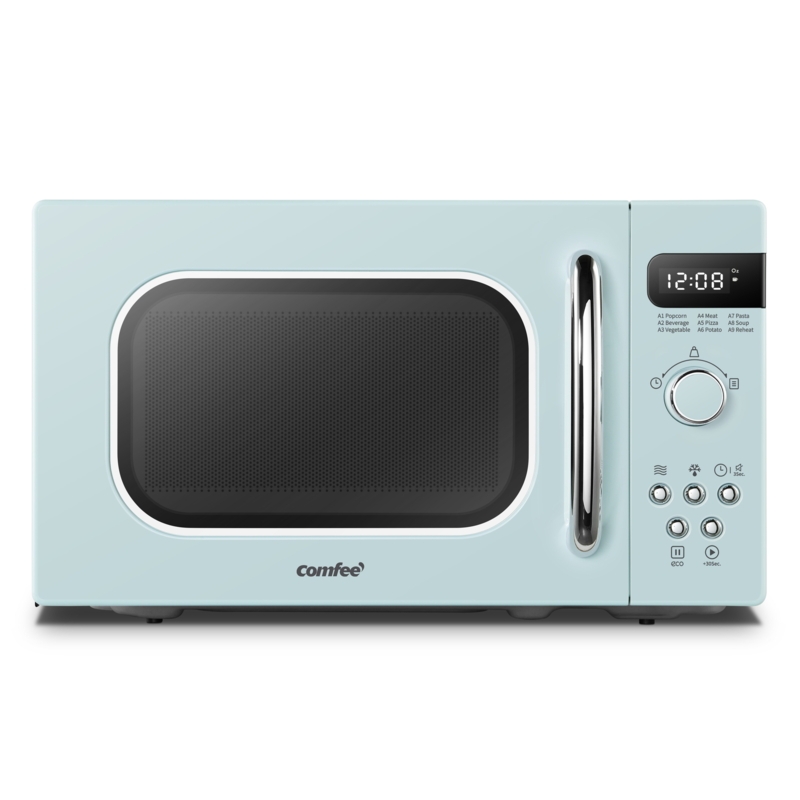
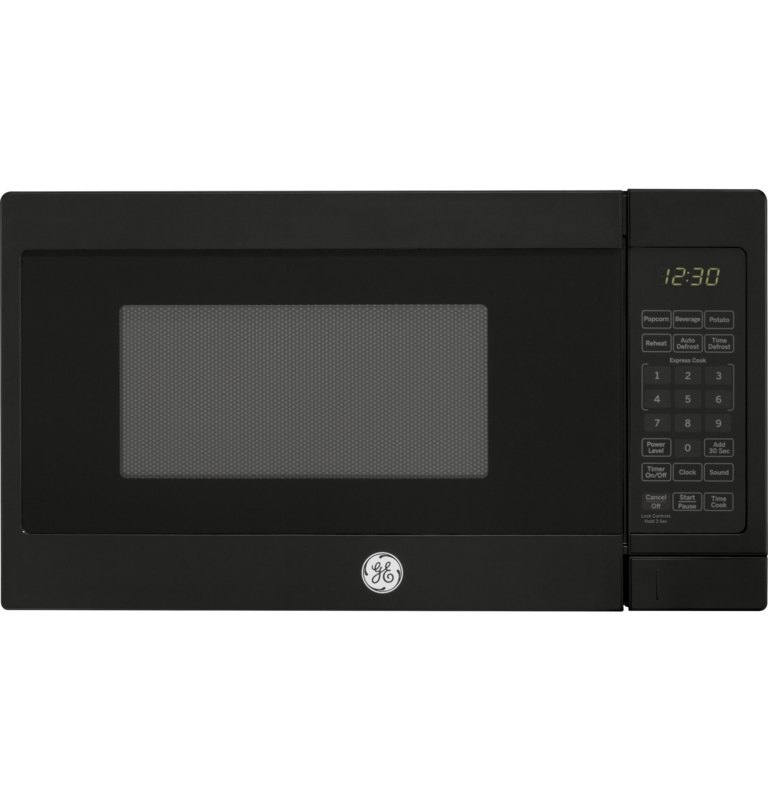
Countertop Microwaves
Countertop Microwaves are typically the most suitable models for the majority of homes. They typically require little to no setup and come ready for use out of the box. Most times, you don't even have to set your microwave clock before jumping straight into use.
Countertop microwaves come with only the most common features expected in a microwave, namely things such as:
- Auto defrost
- Popcorn
- Defrost by Weight
- Add 30 Seconds
- Cook by Time
- Power Levels
If you're looking for a microwave that can provide a bit more versatility, or help you with pre-cooking, rotisserie or baking, you'll want to look into over-the-range, built-in models or convection microwaves which tend to be more feature-rich.
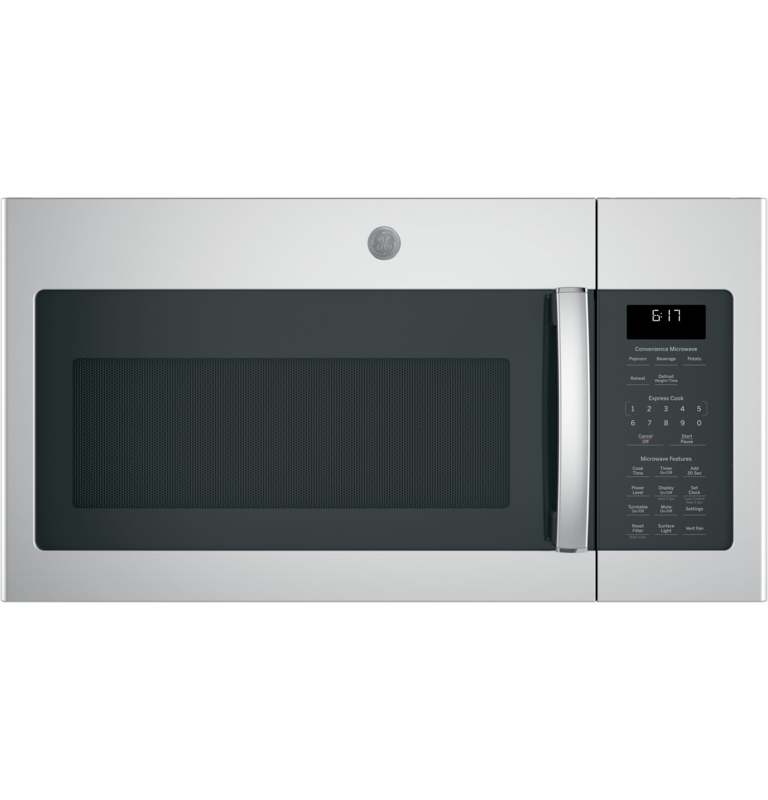
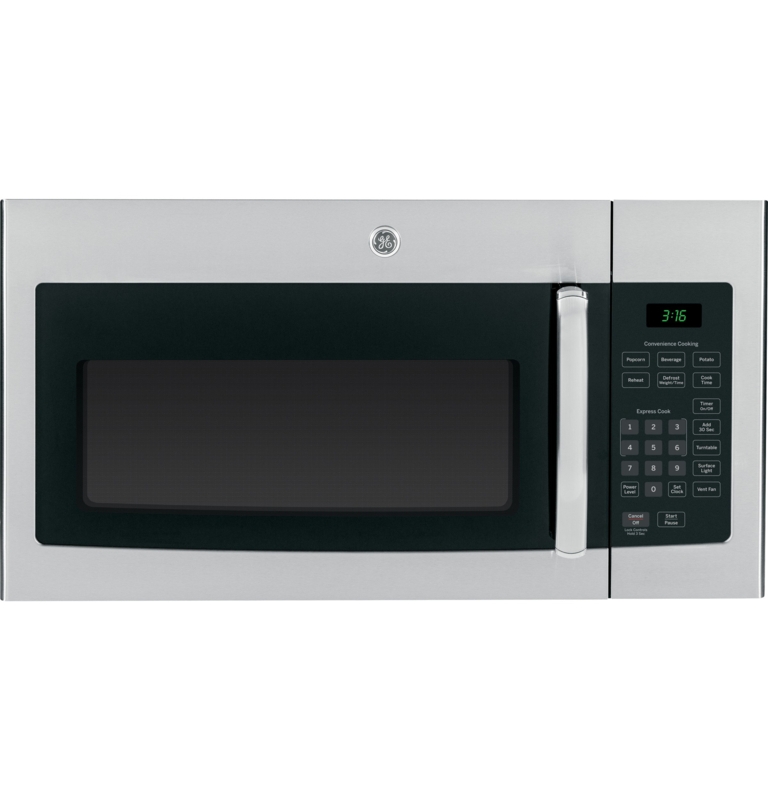
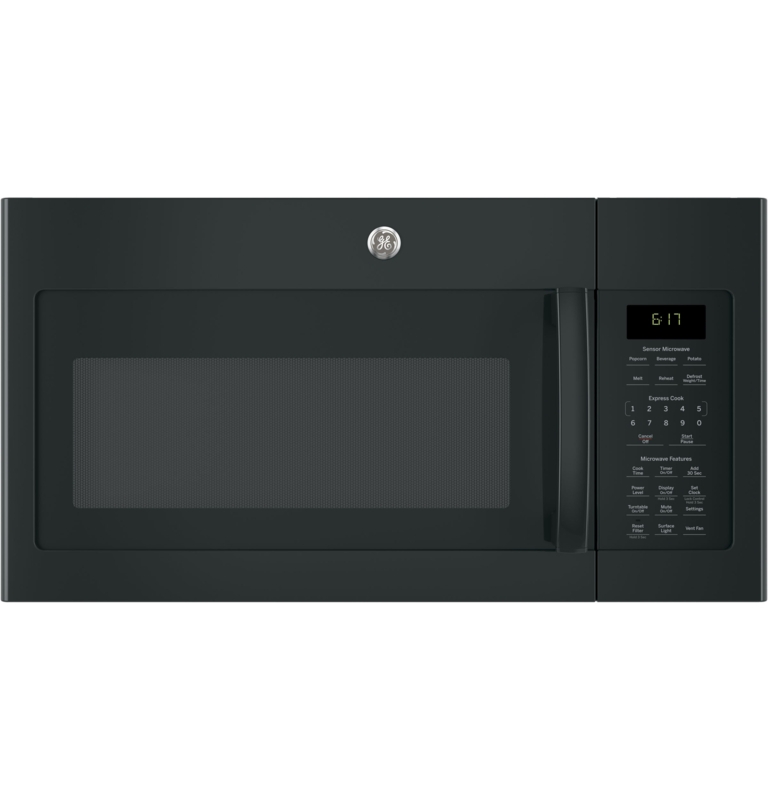
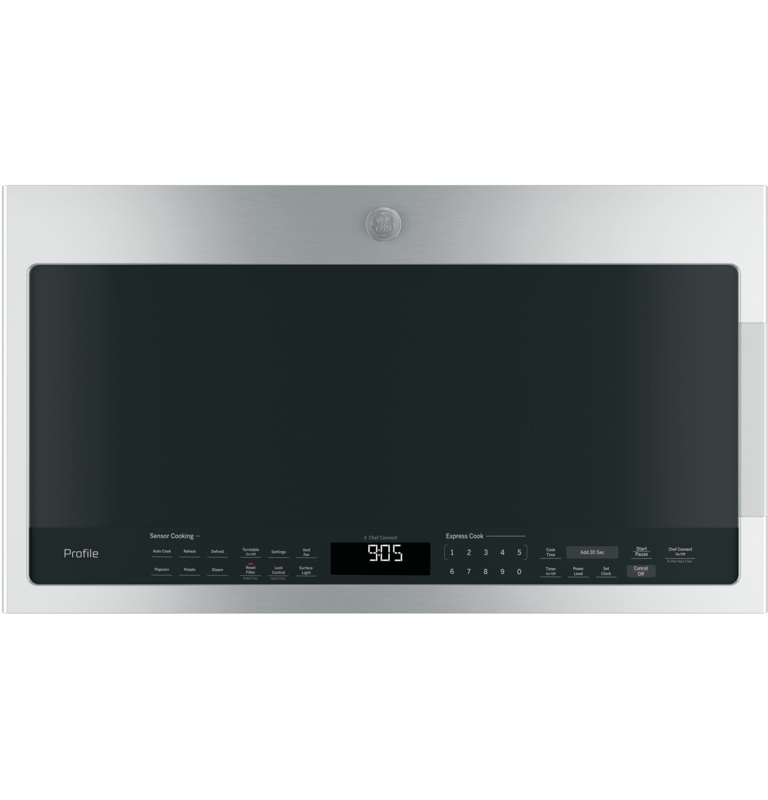
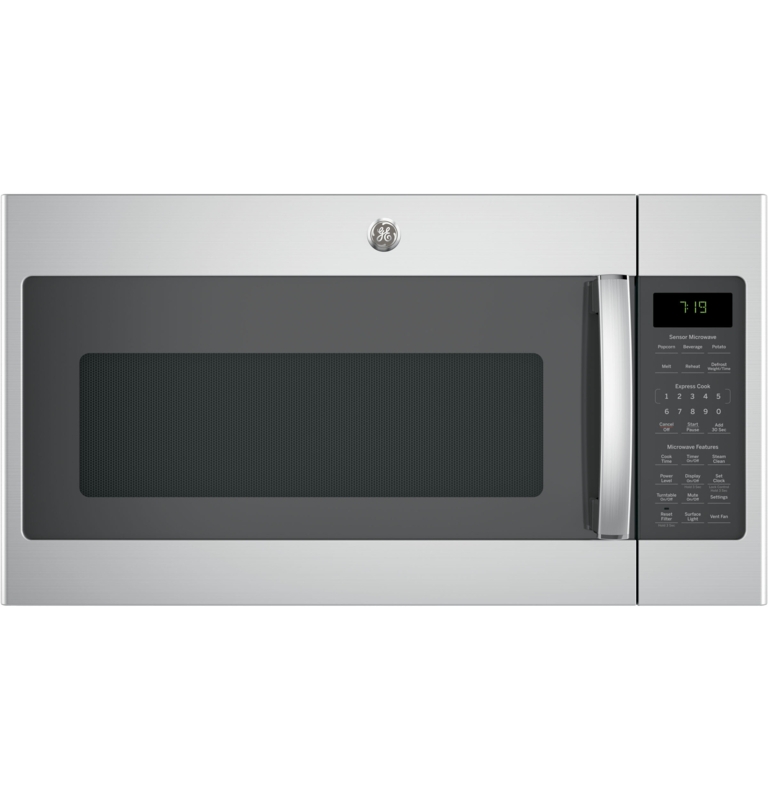
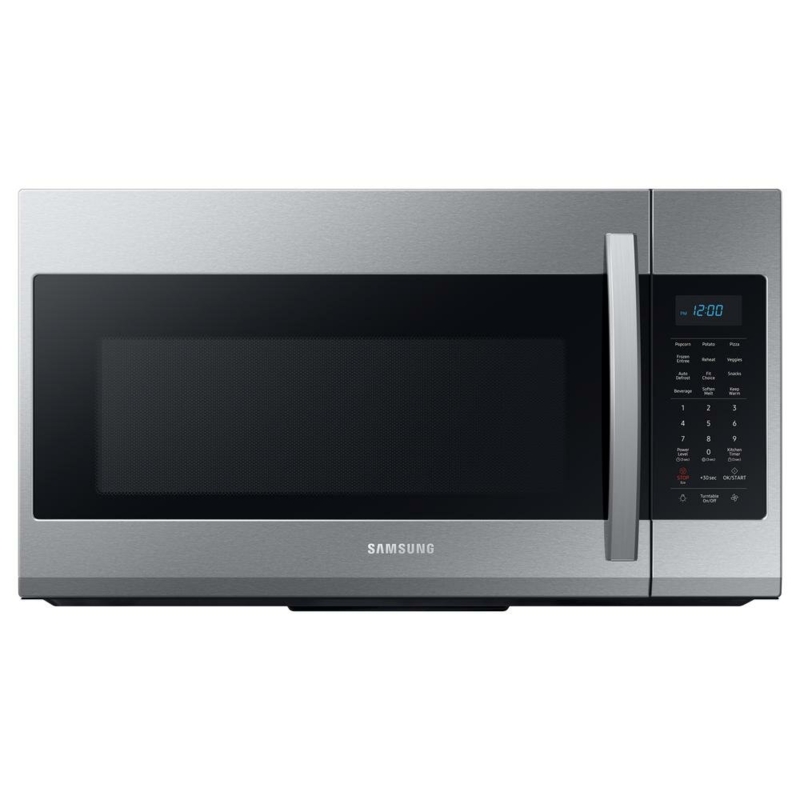
Over-The-Range
An over-the-range microwave is a combination of a microwave with a range hood that is designed to sit "over a range" of other cooktops. A range hood, in a nutshell, is a typically cone-shaped device that contains a mechanical fan that sits above a cooktop or stove. The fan allows for the easy removal of smells, airborne grease, smoke, cooking fumes, and even steam that are all created during cooking.
Over-the-range microwaves are extremely useful in homes that have minimal counter space. They do tend to be more expensive than their countertop cousins, but the utility of a range hood and the greater number of features available in these microwaves can make up for that. You will need a professional to install this microwave type.
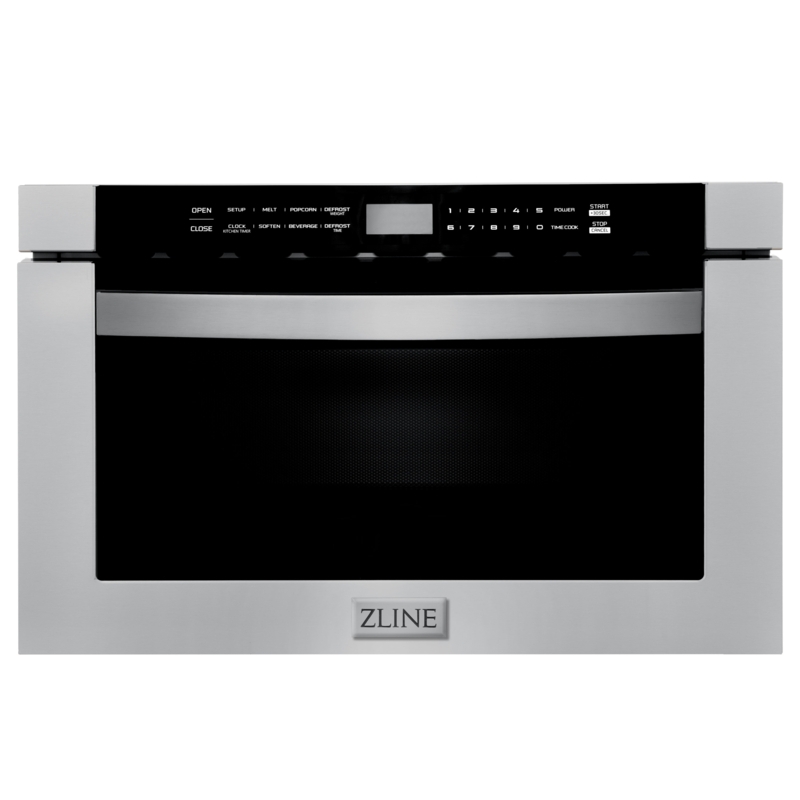
Built-in and Drawer Microwaves
Built-in and drawer microwaves operate on a similar principle to over-the-range microwaves when it comes to space-saving. They are usually installed in a kitchen cabinet or wall freeing space on the counter. Whereas built-in microwaves are primarily installed at the eye-level and often above an oven, a drawer microwave is installed at the convenient, lower heights.
A big advantage of a drawer microwave type is that it can be easily reached by children, and they can heat the food up without your help. Both types of microwaves usually require professional installation and can be more expensive to maintain.
Turntable vs. Flatbed
You probably take it for granted that your food is rotated when you set the timer on your microwave and press start. As you well know, this is to ensure that your food is evenly cooked. Now imagine - in a parallel universe somewhere - that your food can be evenly heated without being rotated. That's the basis of a flatbed microwave.
Instead of the usual "turntable" method of heating, which involves rotating your food, flatbeds utilize different technology to ensure that your food gets evenly cooked or heated. Flatbeds are sometimes more energy efficient and are suitable for those who may want more options when it comes to microwave cooking. Flatbeds allow for a variety of containers in a variety of sizes to fit all at once into your microwave.
Convection Microwaves
If you're someone who prefers the more traditional methods of food prep, like baking, cooking on an open fire, or rotisserie, then a convection microwave could be ideal for you. Convection microwaves use the combination of the fan (to circulate the hot air) and radio waves for cooking food. These microwaves often come with a number of features like grills or rotisserie skewers, not to mention a bevy of cooking functionalities.
Convection microwaves provide far more variety when it comes to texture and flavor in comparison to all other microwaves. These microwaves are ideal for those who would love the flexibility and ease of use of traditional microwaves, without sacrificing the flavor and functionality that could come from other kitchen utilities.