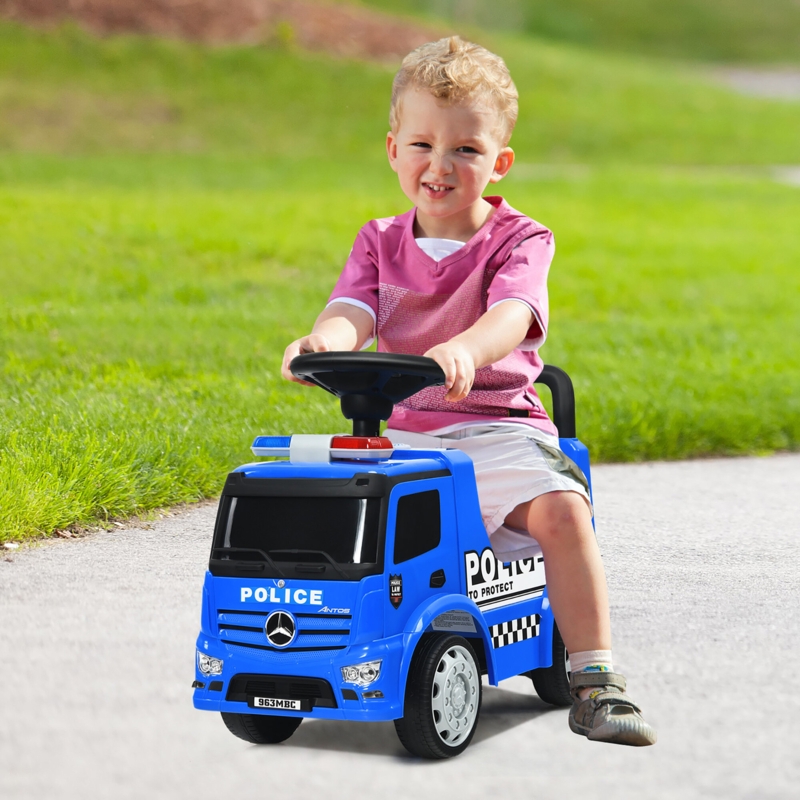
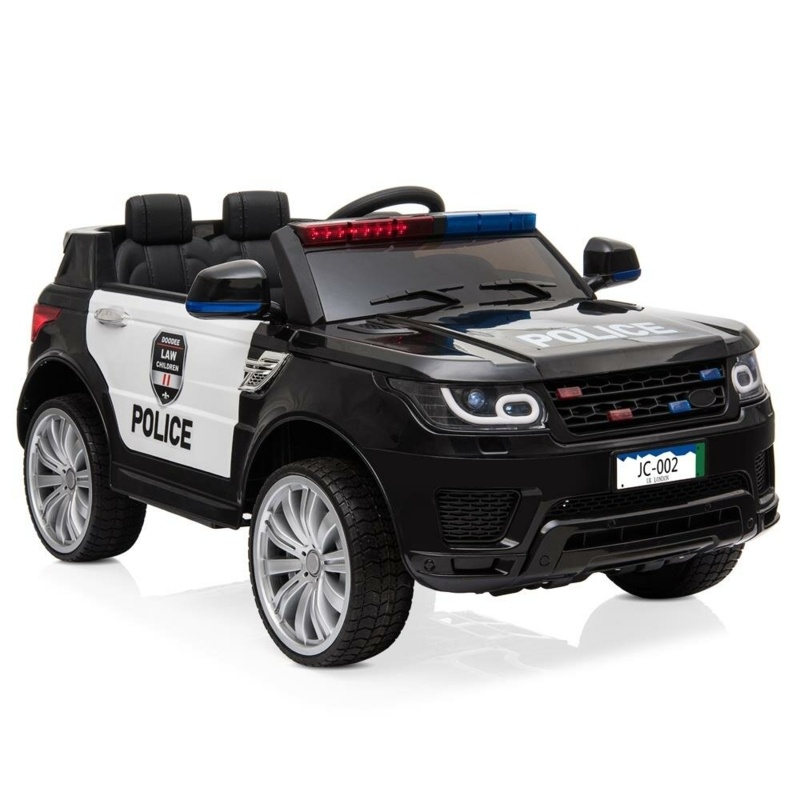
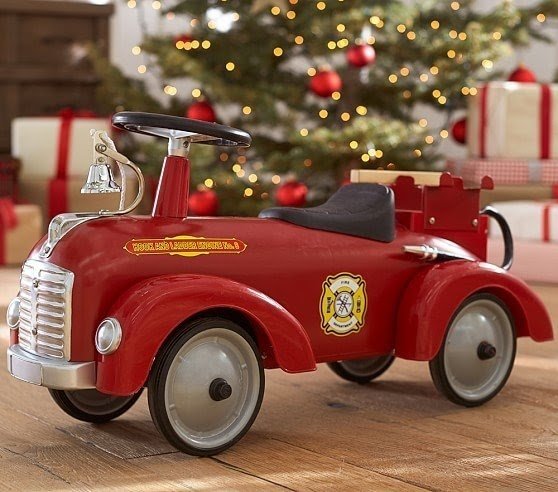
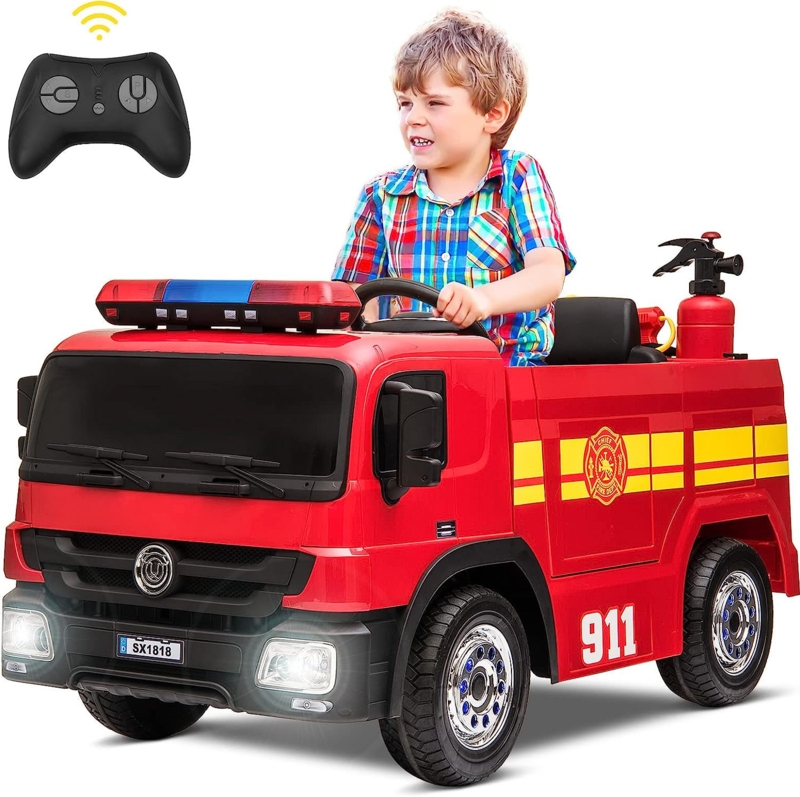
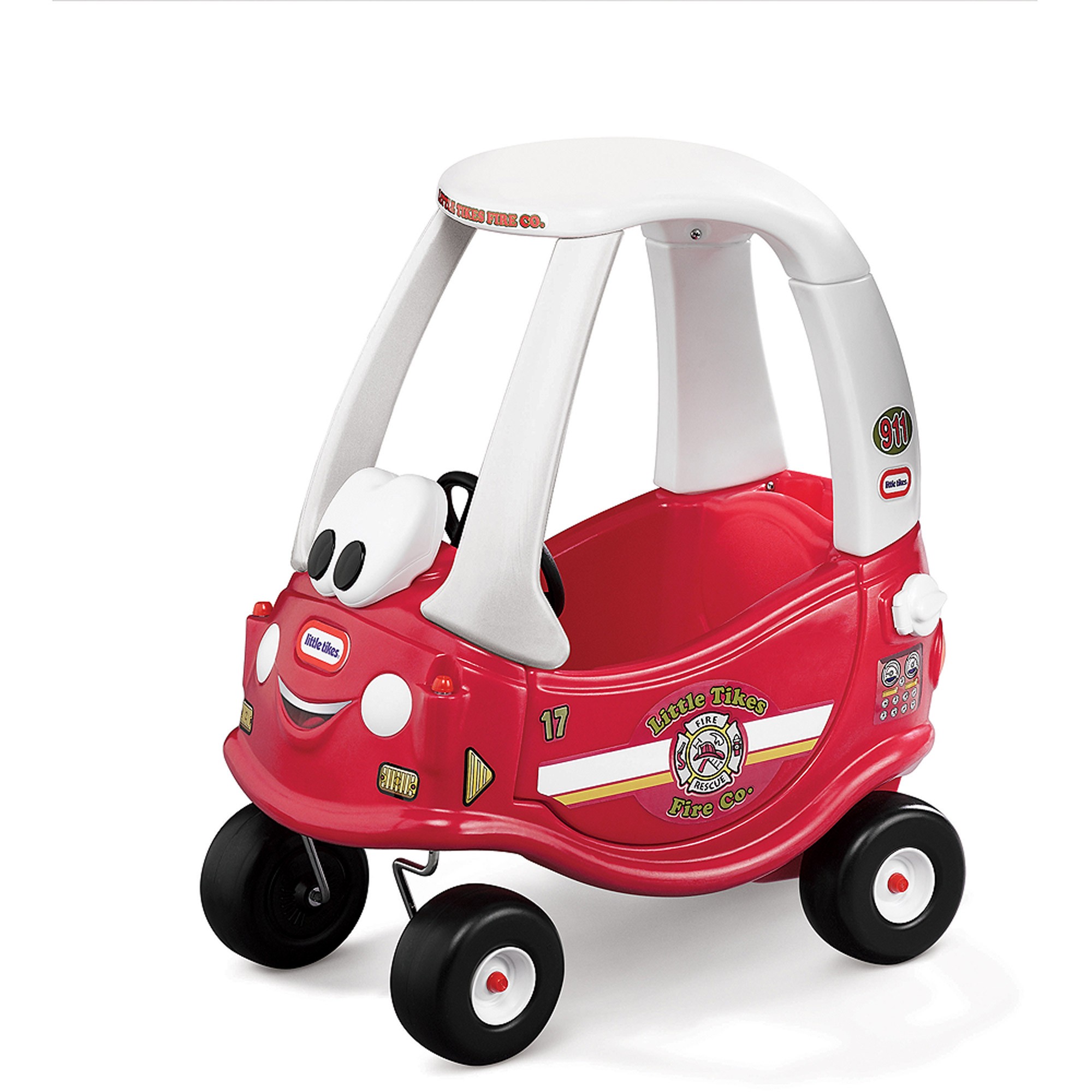
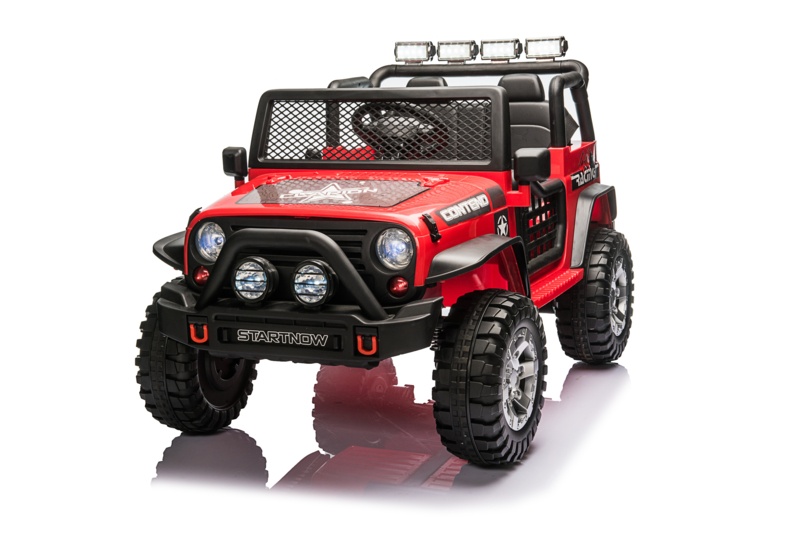
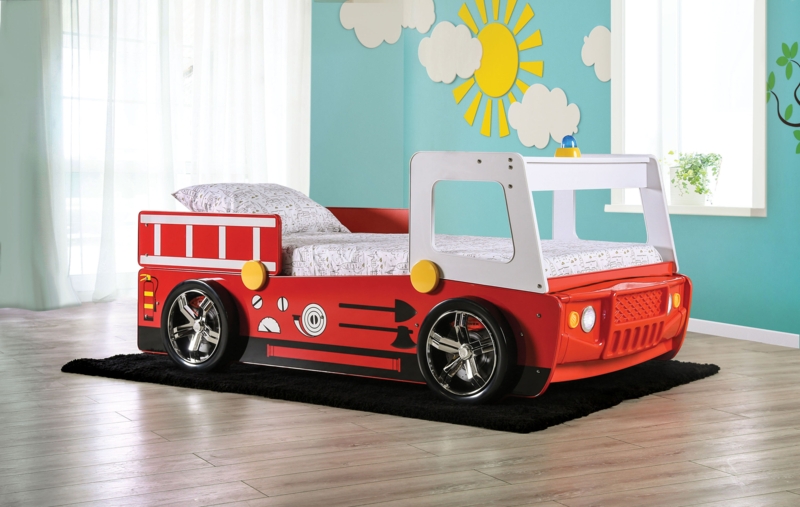
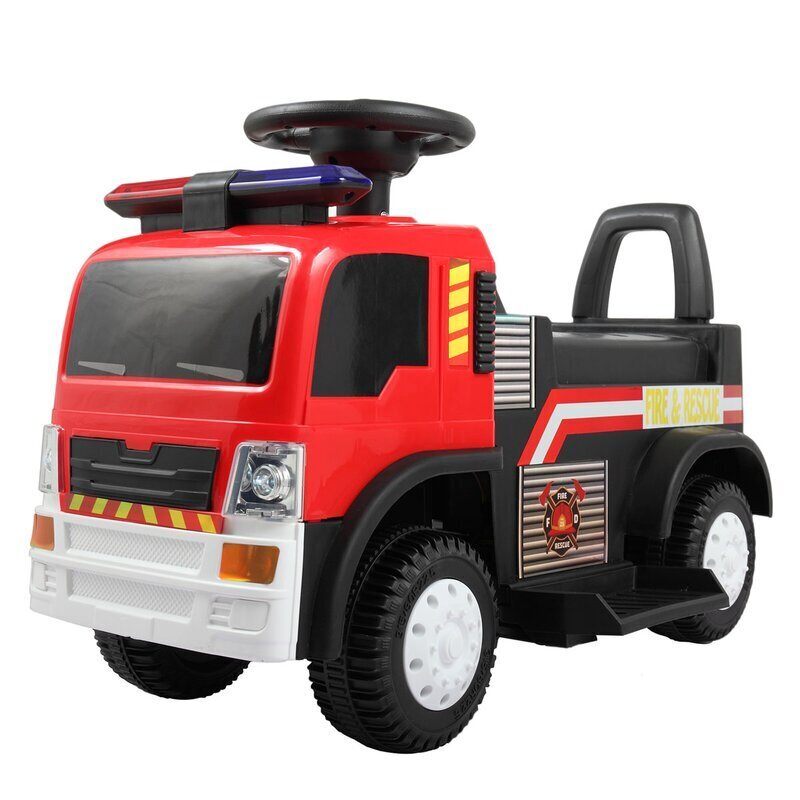
Not all push power ride-ons are made the same. Some are well constructed, using hefty plastics and solid metal skeletons, while others are put together with minimal cost and maximal profit in front of mind. It goes without saying that you can expect a few issues from the latter.
Push power ride-ons are generally made from plastic or have a plastic skeleton with a steel frame. Wheel axles and handlebars should always be made from some type of metal. Ideally, these would be steel rods, but material quality can vary widely between models. It's always best to verify the quality of your materials in person where possible or contact your manufacturer for specific details.
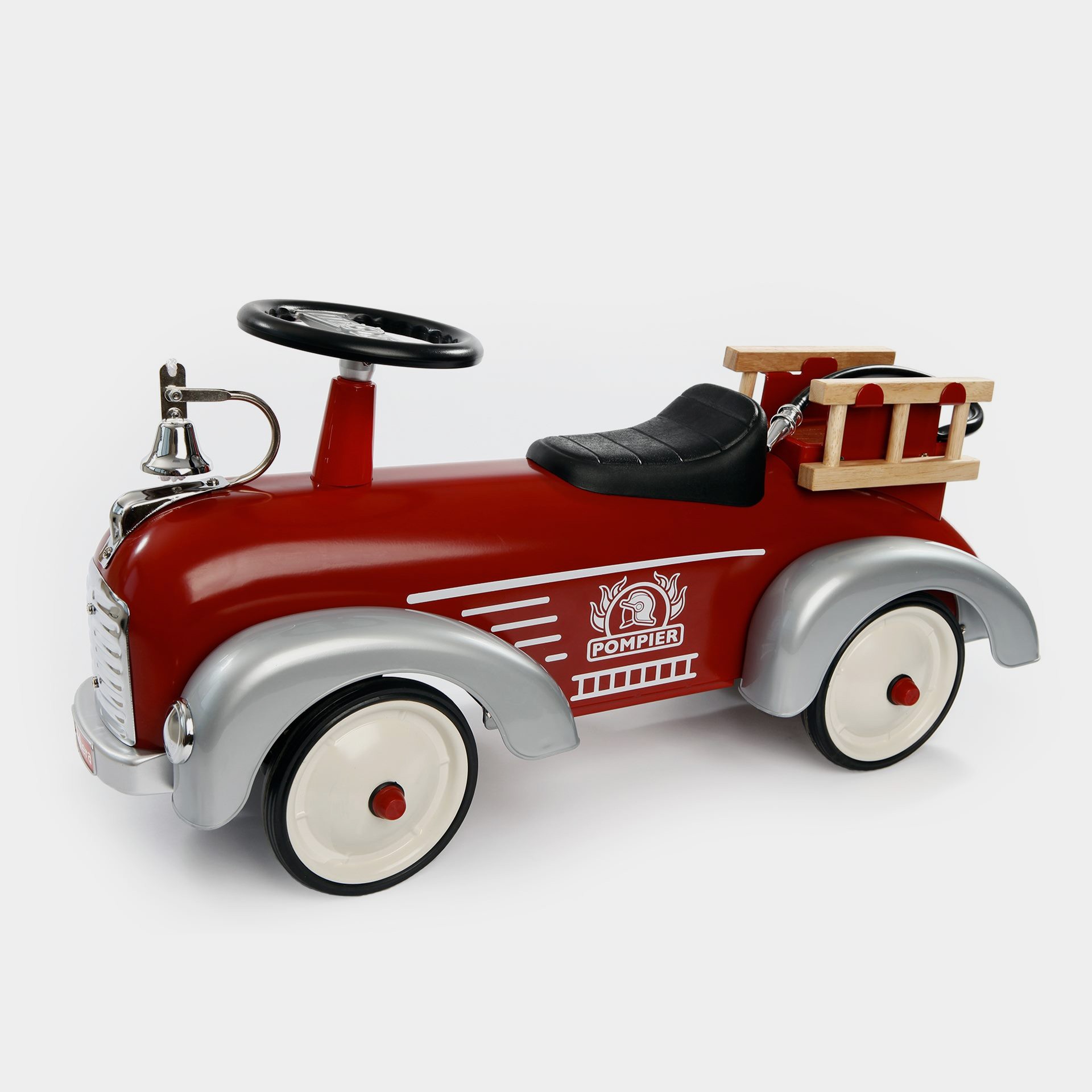
A lot of push ride-ons are made from wood (mainly plywood) to ensure strength and durability. Wood has been popular for this type of toys, particularly amongeco-friendly parents.
The quality of materials used in your ride-on will determine how long your ride-on lasts, how safe it will be for your children, and how functional it will be on varying terrain. Steel axles and handlebars, for example, will have more weight-bearing capacity than even very sturdy plastic. So, they will probably remain safe and functional for the 1-2 years of use that your child will get out of this toy.
Further, as your child gets used to their push power ride-on and starts becoming more adventurous, they'll start moving around faster. Which in turn means they'll be turning faster, and the force exerted on the ride-on will be greater. Plastic can flex slightly more than steel, thus accommodating some of these forces, but can become warped under strain and eventually fail.
Helpful Tip: We strongly recommend seeing and examining push power ride-ons in person when available. If you can't be physically present with the toy you're interested in, try searching through reviews in detail. Find out what other parents are saying about mishaps and ride-ons falling apart. You'll be able to get a good idea of which ride-ons are safe and which are just cheap.