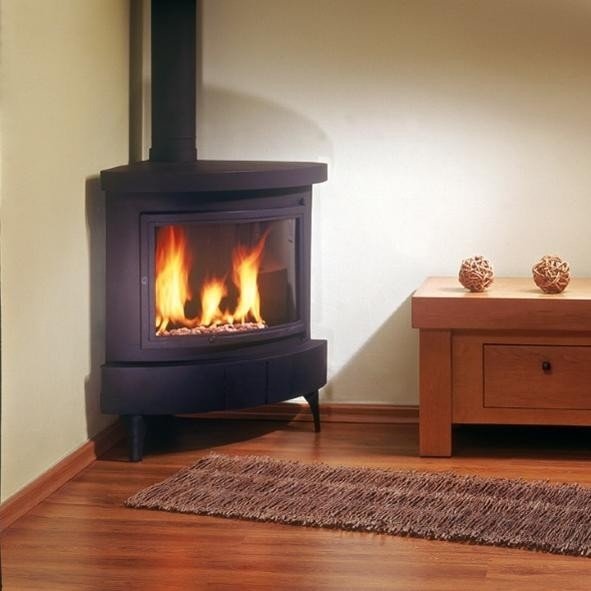
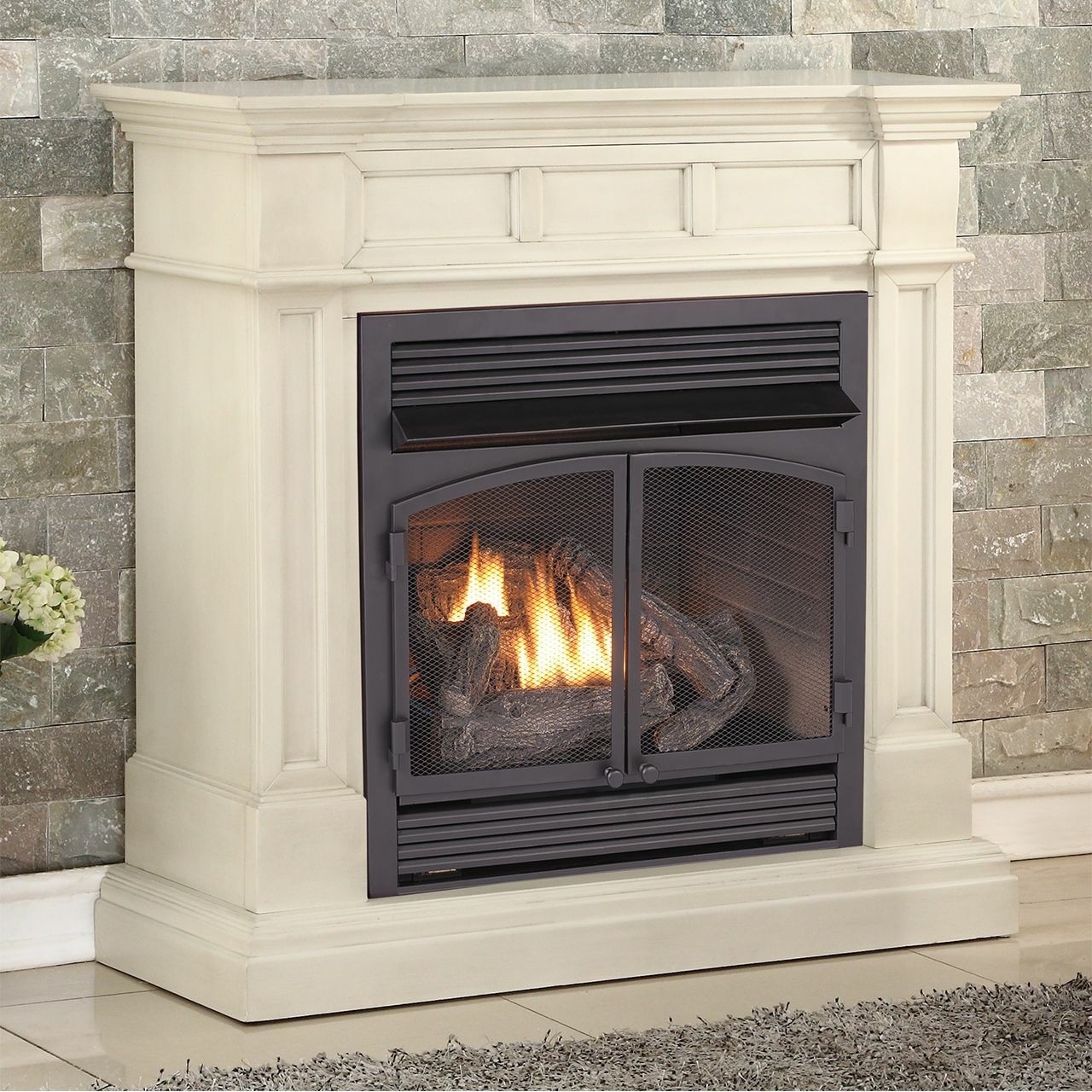
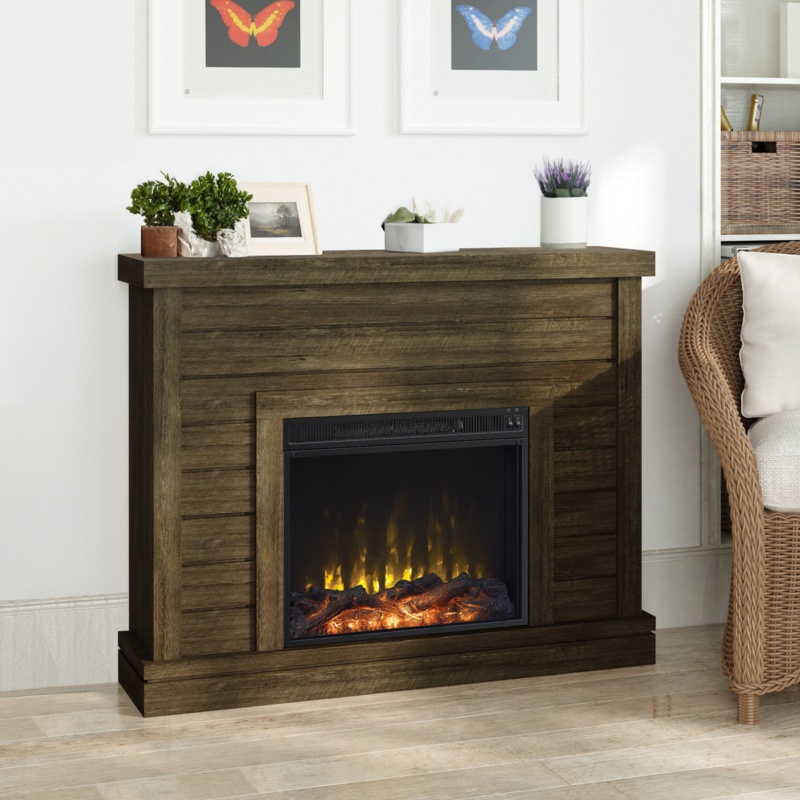
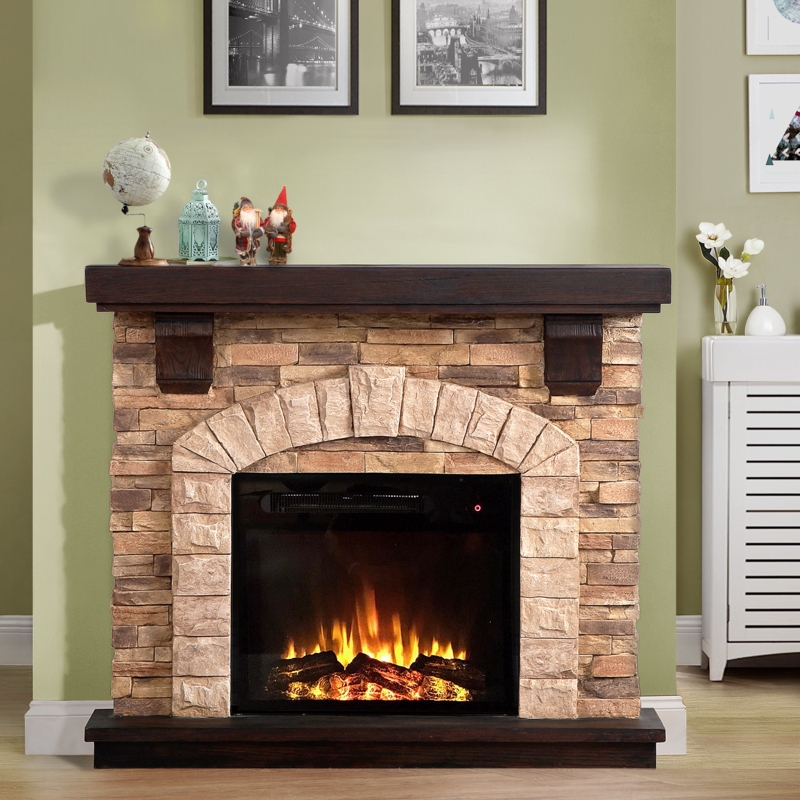
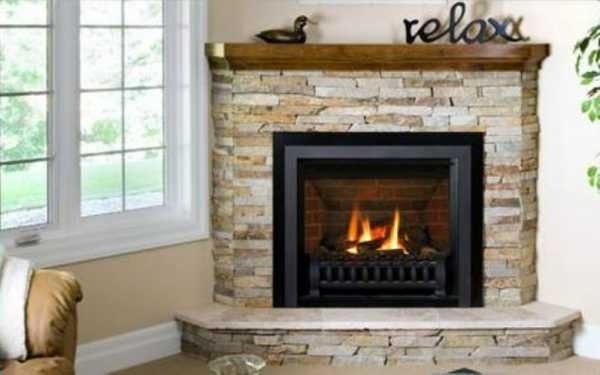
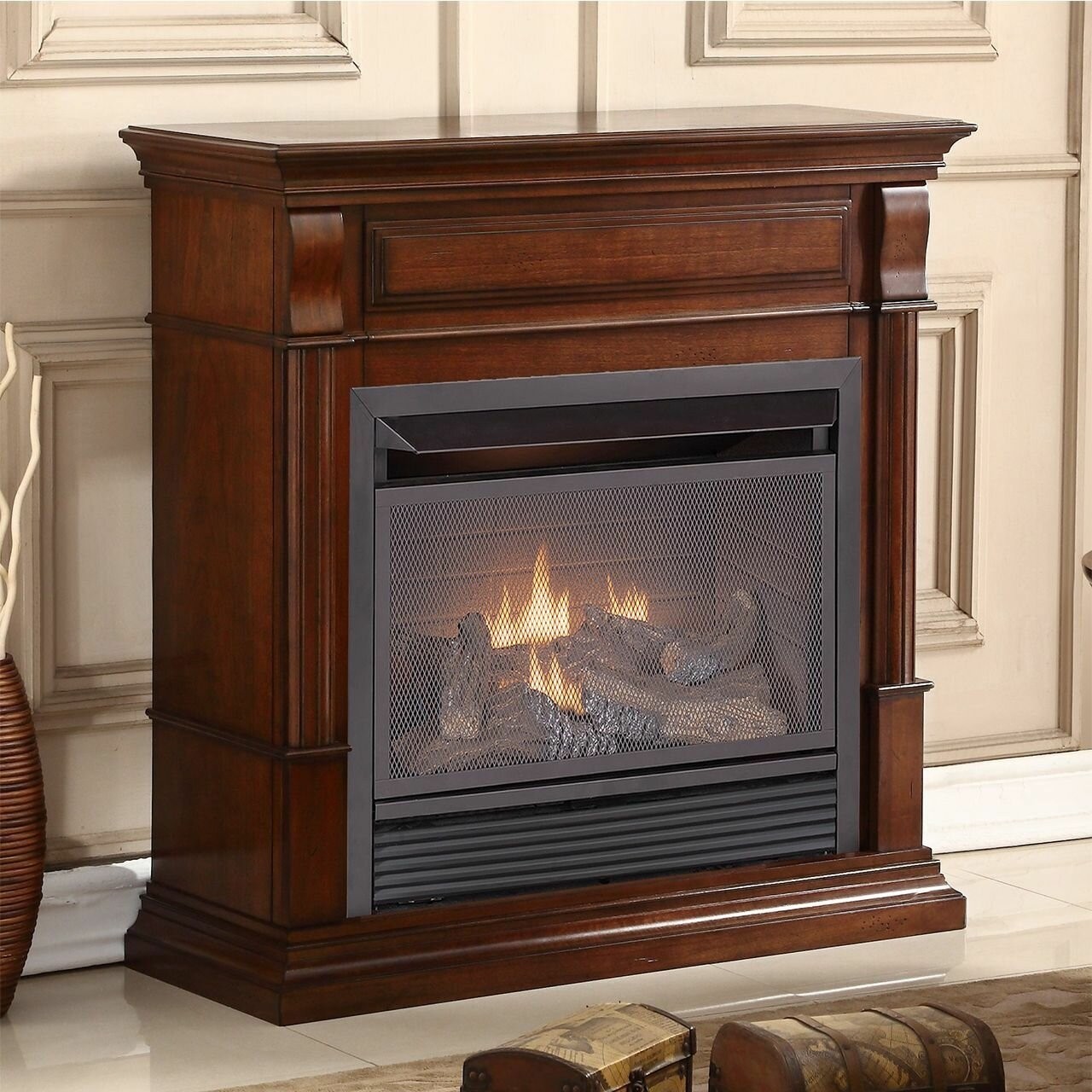
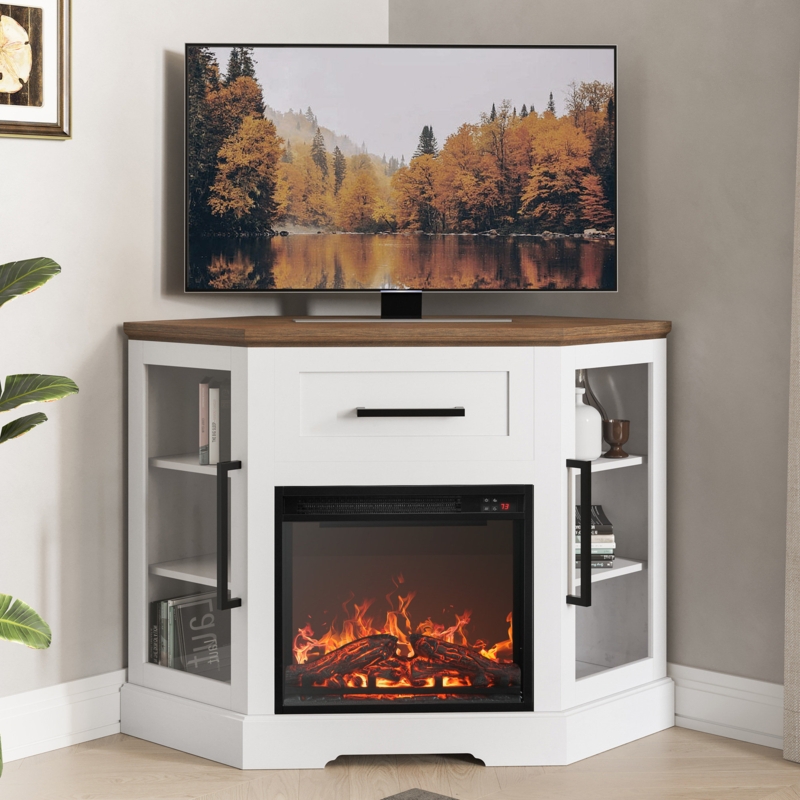
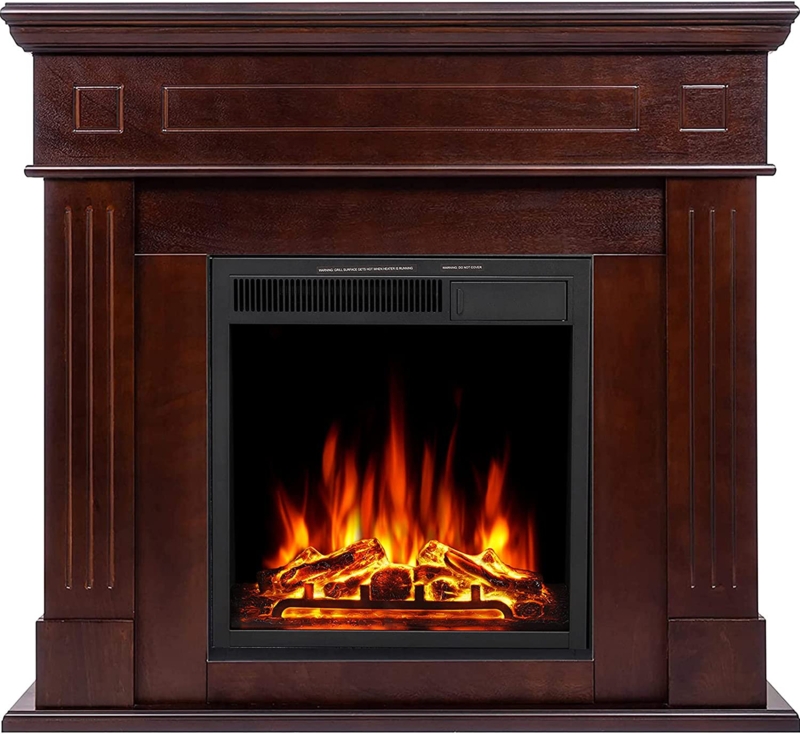
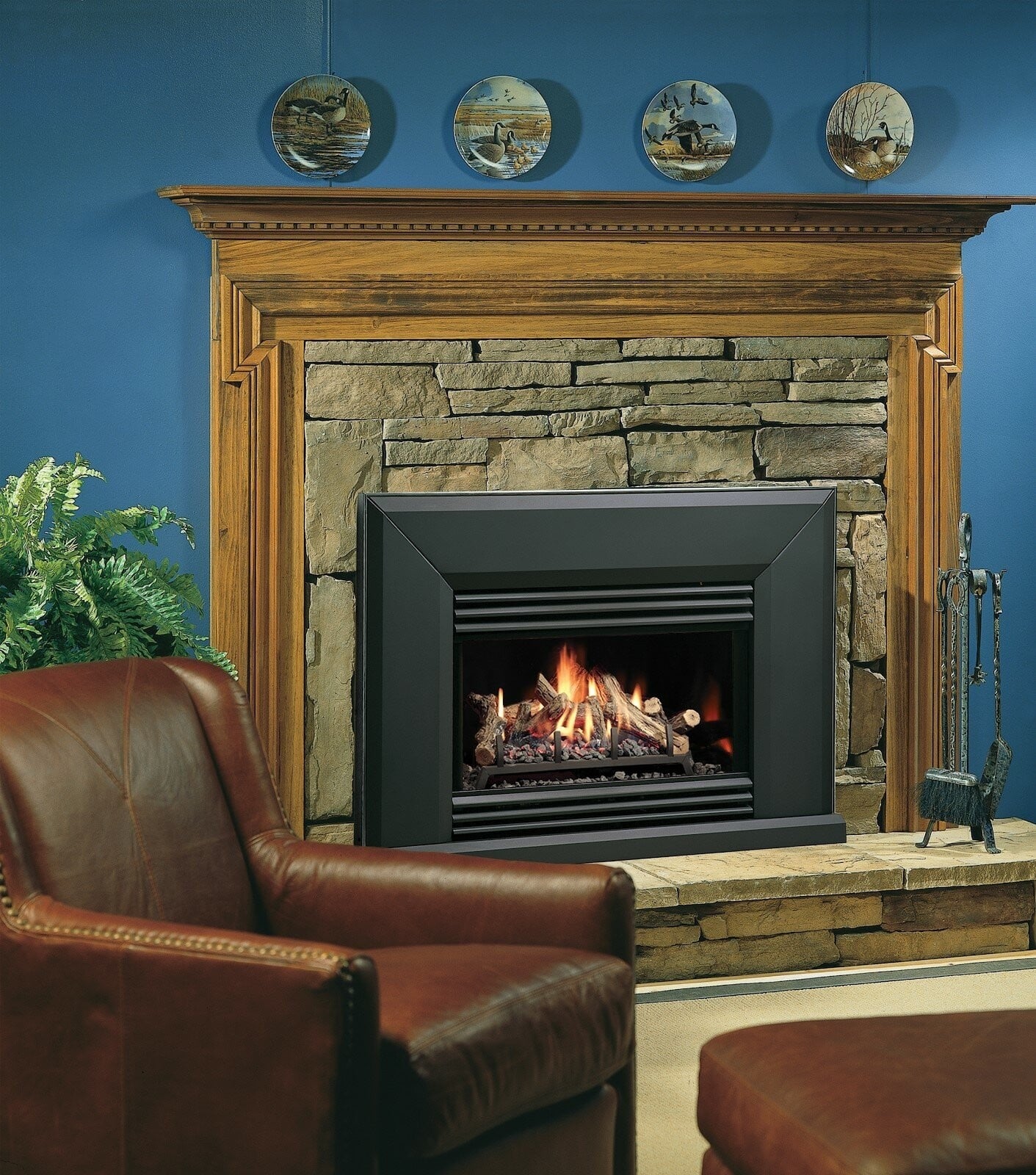
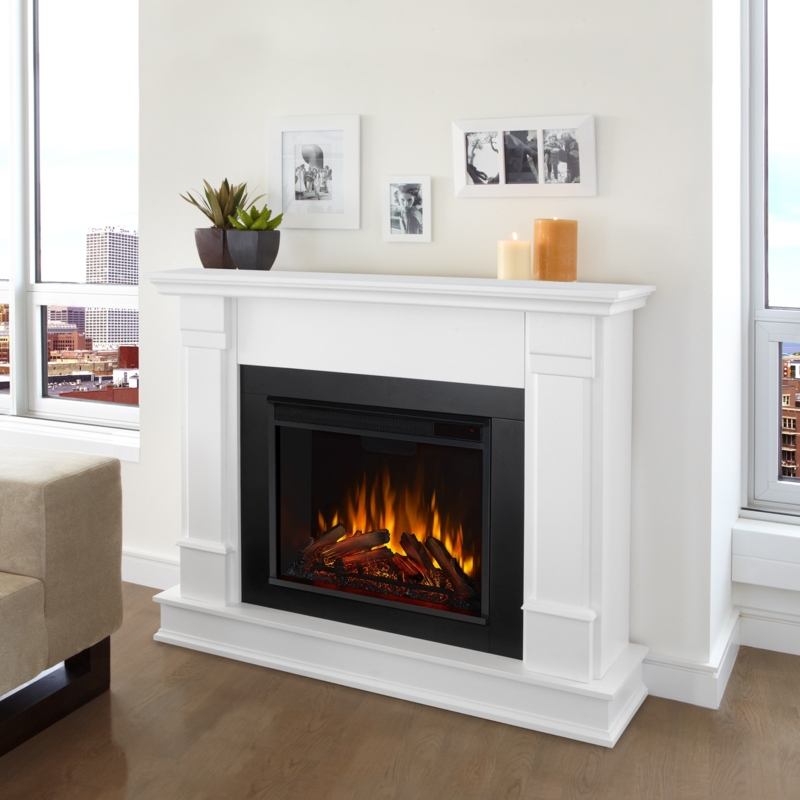
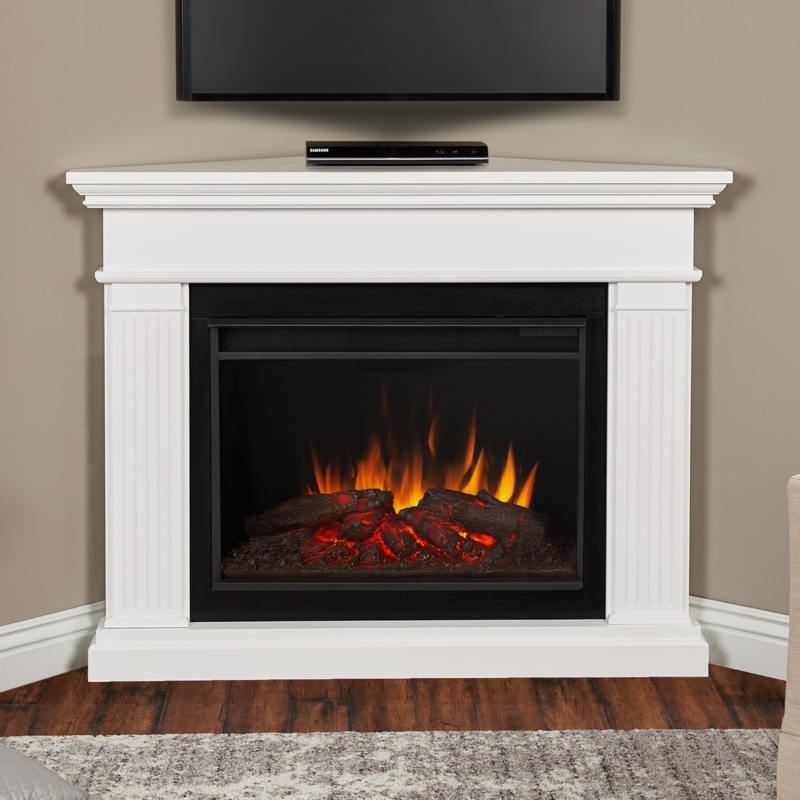
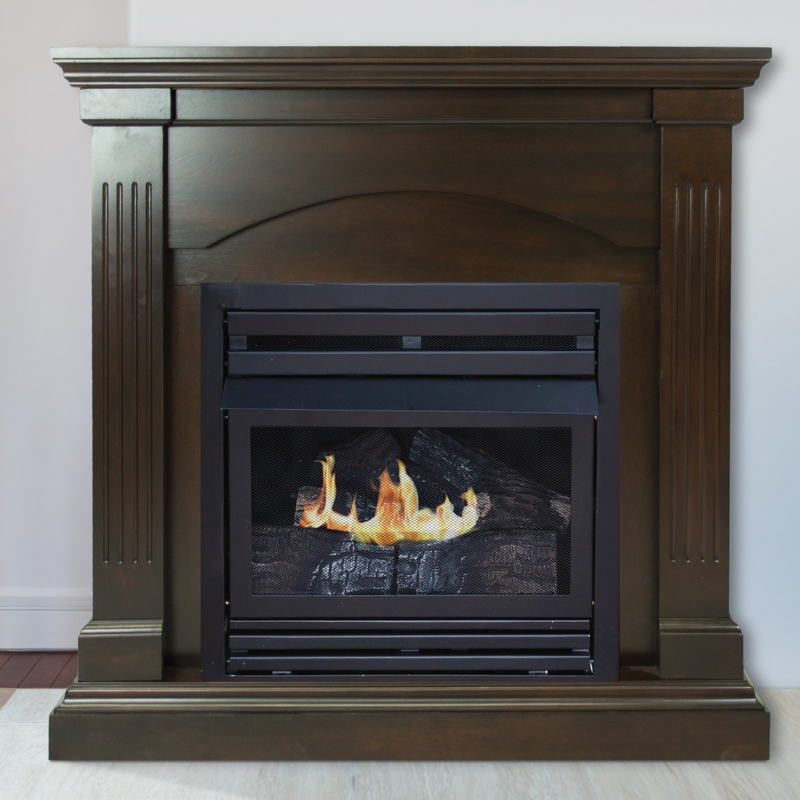
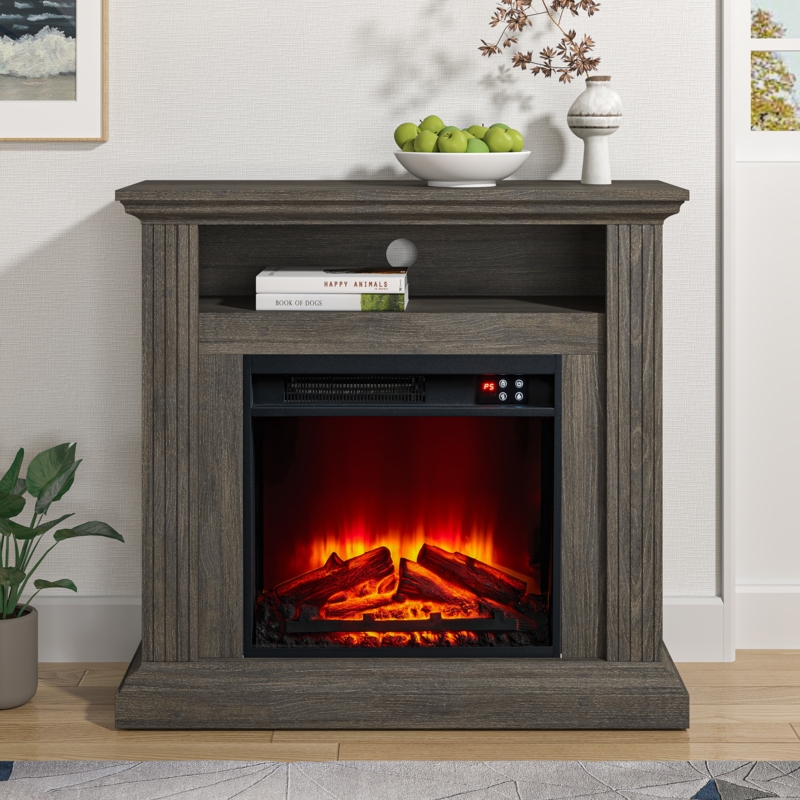
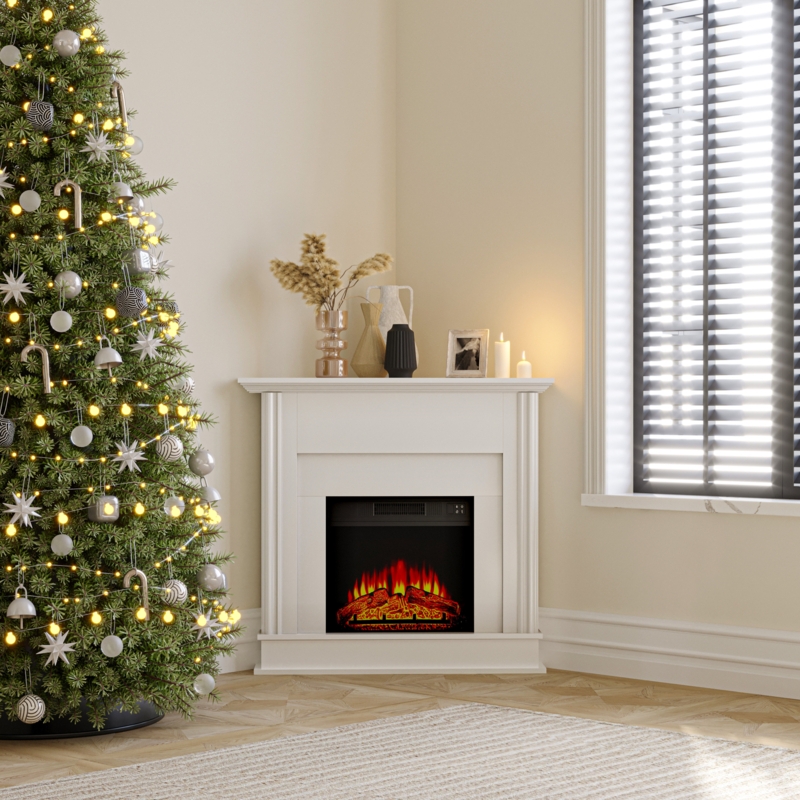
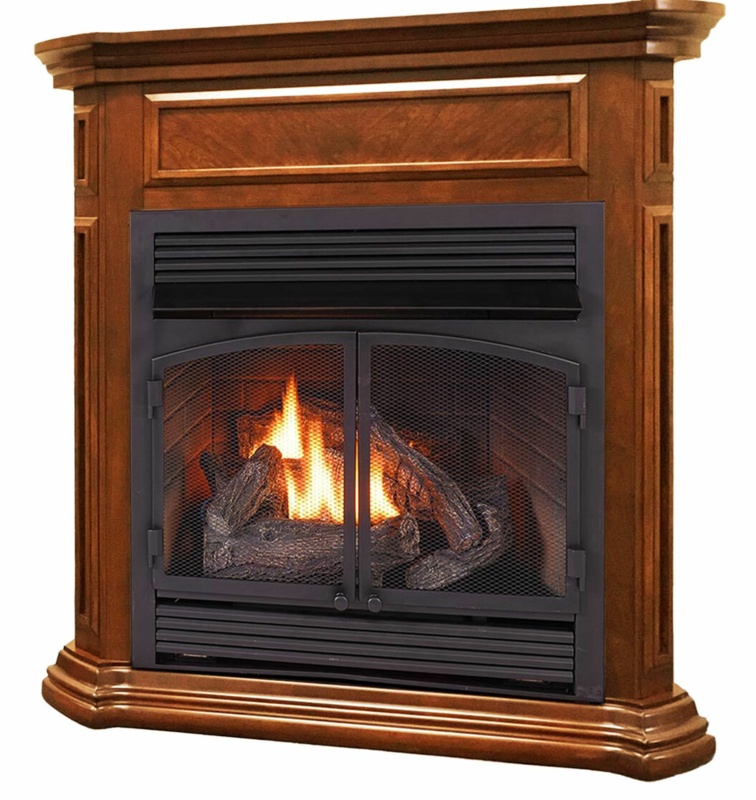
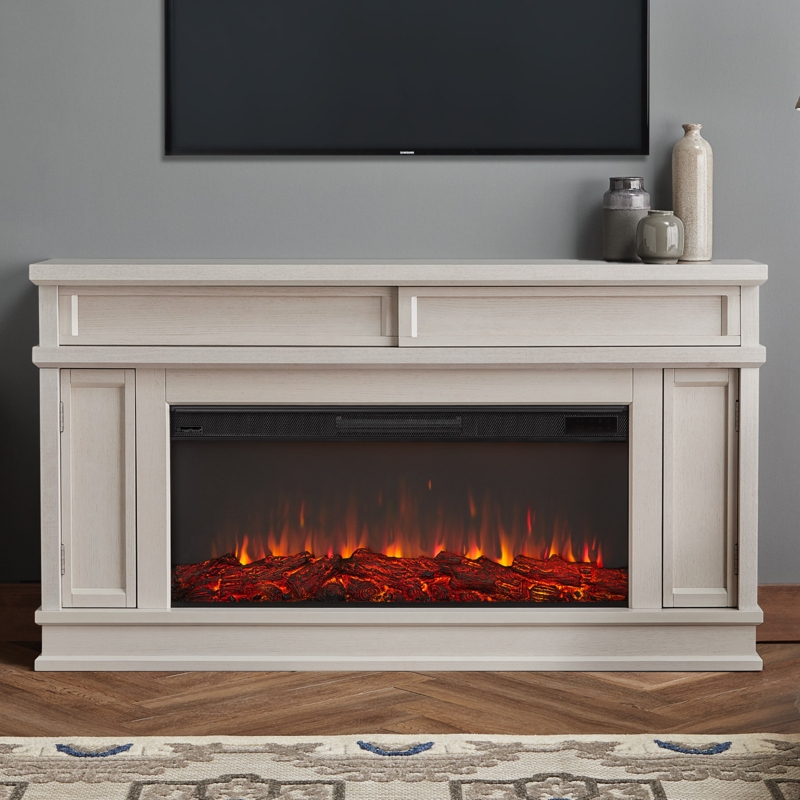
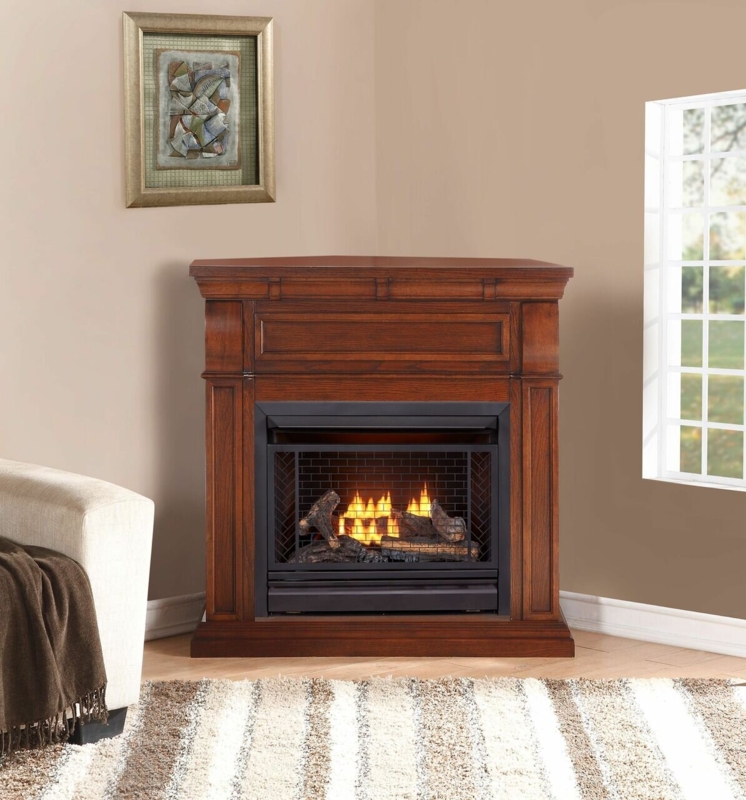
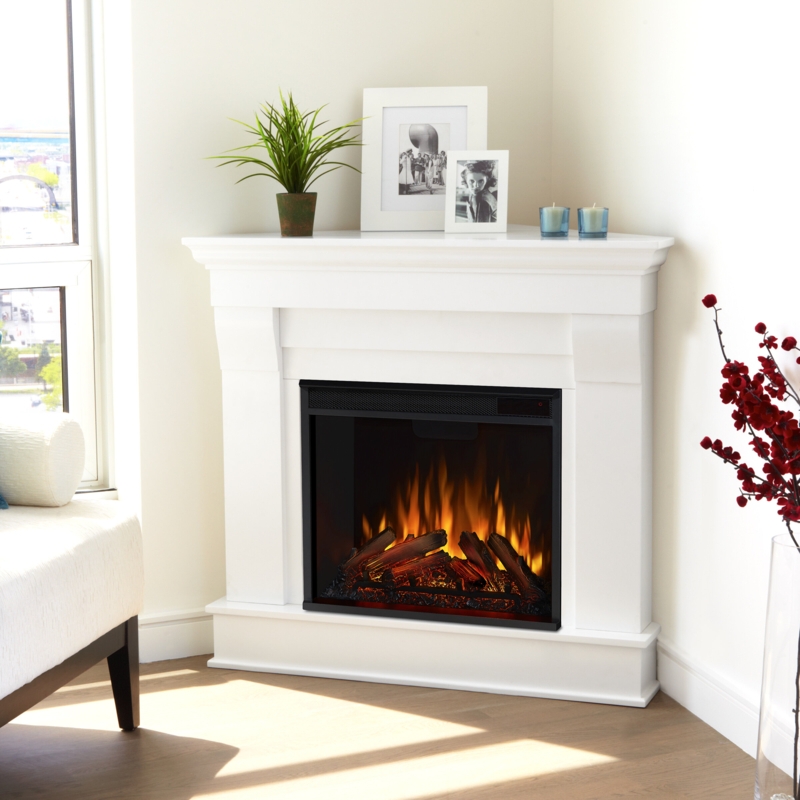
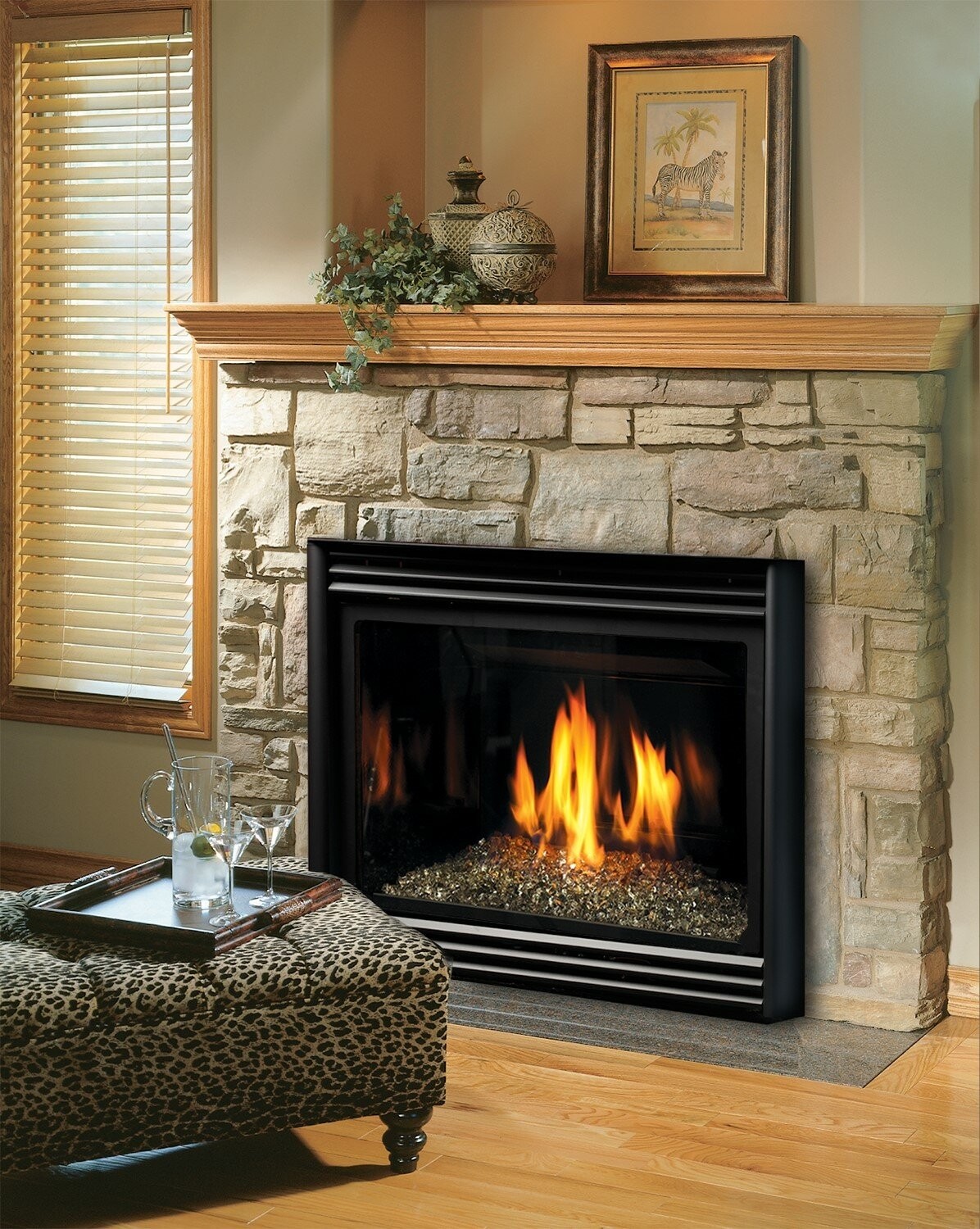
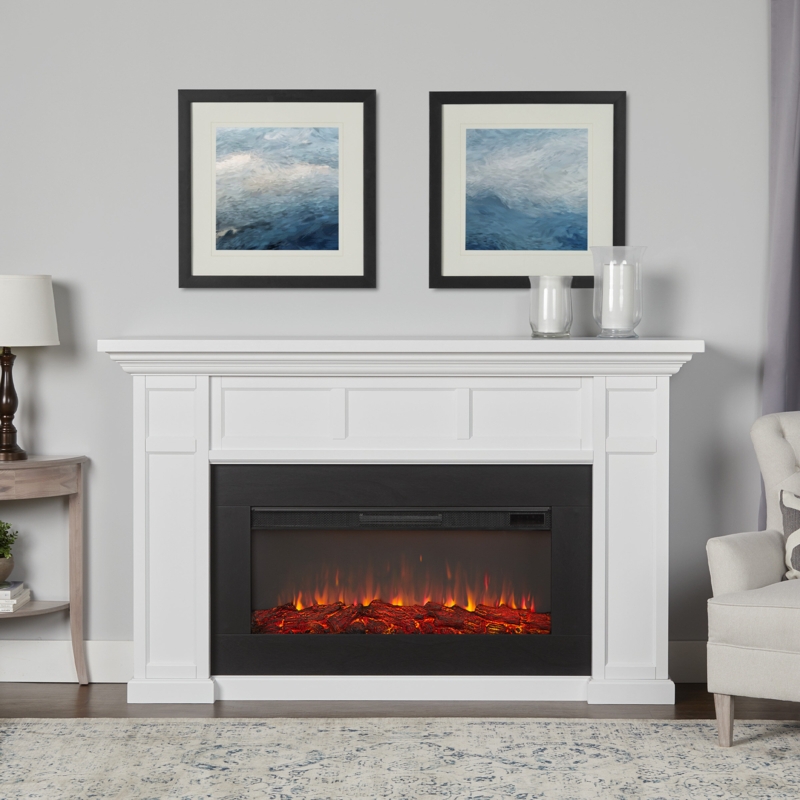
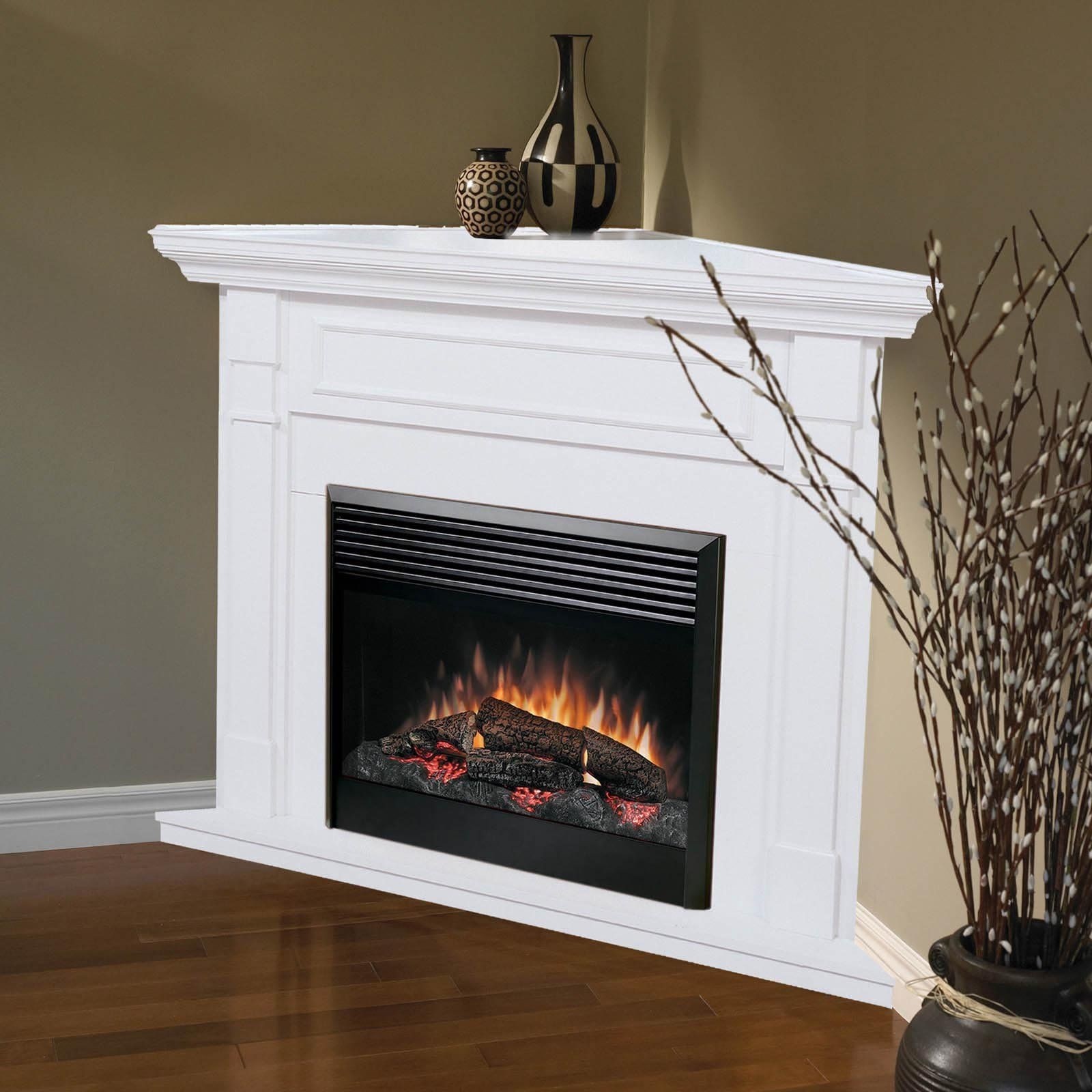
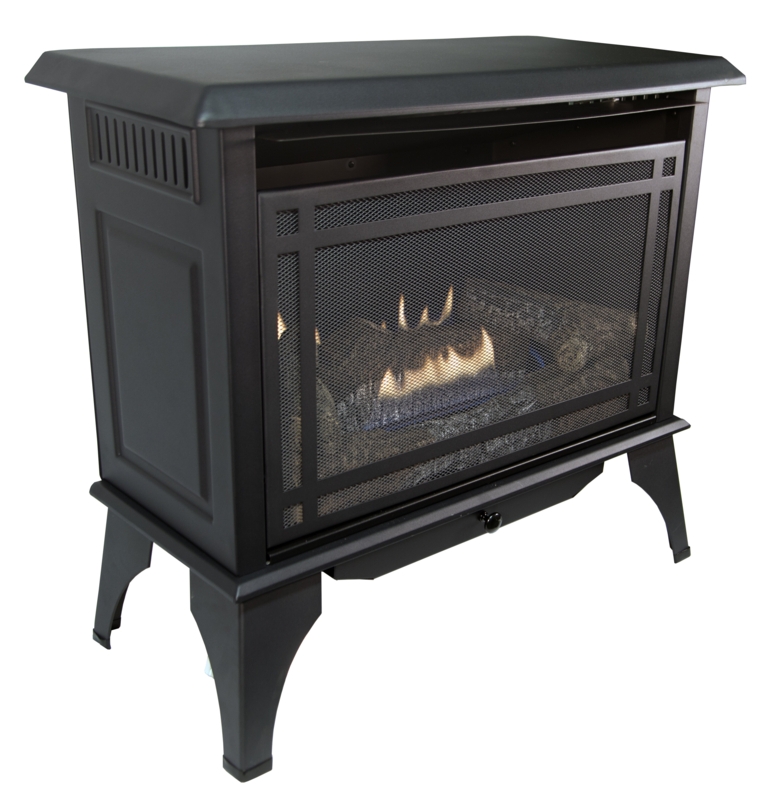
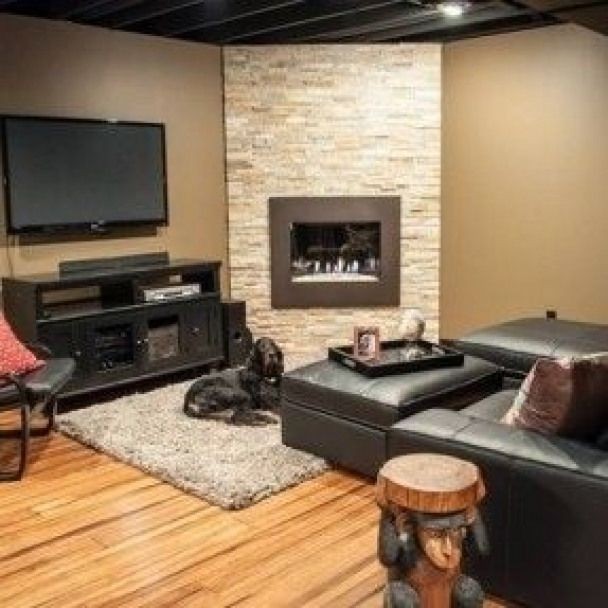
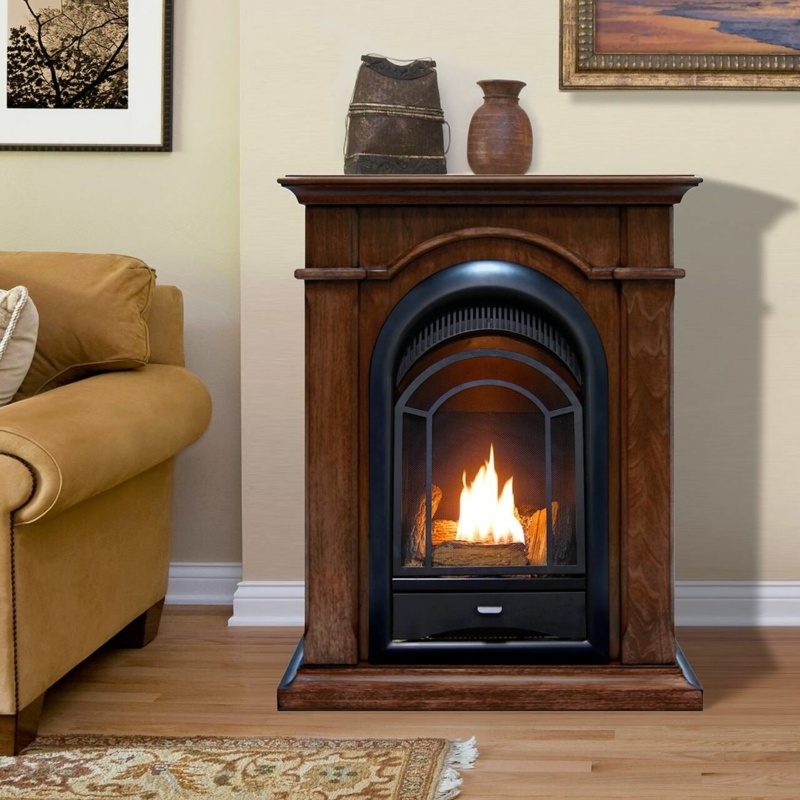
There are three main choices in gas fireplaces, each with its own needs and recommendations. Venting, placement and aesthetics are all a factor in making an informed decision.
Direct Vent
If you want a worry-free gas fireplace, this is for you. These are the safest as an alternative to other fireplace options. They don't need a traditional chimney. Instead, the unit, and venting system is completely sealed, preventing the escape of harmful gases into your home.
The sealed venting system is designed to pull fresh air from outside the home, specifically for combustion, and expel the combustion gases back outside. You need not fear gases, like carbon monoxide, building up, which is often a concern with burning gases like propane.
Keeping air quality where it should be, and your home heating efficient, all while allowing the fireplace to work optimally, is why this is the most commonly installed gas fireplace.
Ventless
The most efficient and economical choice, a ventless, or vent-free fireplace does not need a traditional chimney or venting system. All of the heat produced by this model stays in the home, none being expelled via a vent system or chimney. If warmth is more important than decorative continuity, this is a good choice for your home.
These models are free standing, and are most commonly sold only for heating purposes, it's aesthetic appeal somewhat lacking due to smaller flames. The display is less intense, versus the other two options.
Ventless fireplaces are designed for 100% efficiency. It draws air from inside the home, uses the air for combustion, then the warm air cycles around the firebox, radiating heat.
All toxic gases are burned off during combustion, typically leaving water vapor and carbon dioxide as its only, non-heat byproducts. If any carbon monoxide is still present, it is well within safe limits.
That moisture can be a bonus on dry winter months, but also a deficit if the humidity becomes too high. Too much humidity can cause mildew and mold. Opening a window, just for a few minutes, can help balance out the oxygen and humidity levels in your home.
B-vent
B-vent, or natural vent, are not a very popular choice, due to their extreme inefficiency, and placement options. The are however, the most affordable over their DIrect vent and Ventless counterparts.
Pending the look and feel of a real log fireplace is more important than heat output, you need look no further than a B-vent unit. They have an open-front design like a wood-burning fireplace and require a vertical pipe to expel combustion exhaust. Because of this venting need, most of the heat produced by this model escapes with the exhaust and combustion gases.
These are installed more for aesthetics than for warmth. And they must have a direct vertical exhaust line to the roof, which limits where they can be installed. Attaching them to an existing fireplace is the best option.