Decorative Wall Mounted Fans

190 Ideas by Peyton Robinson

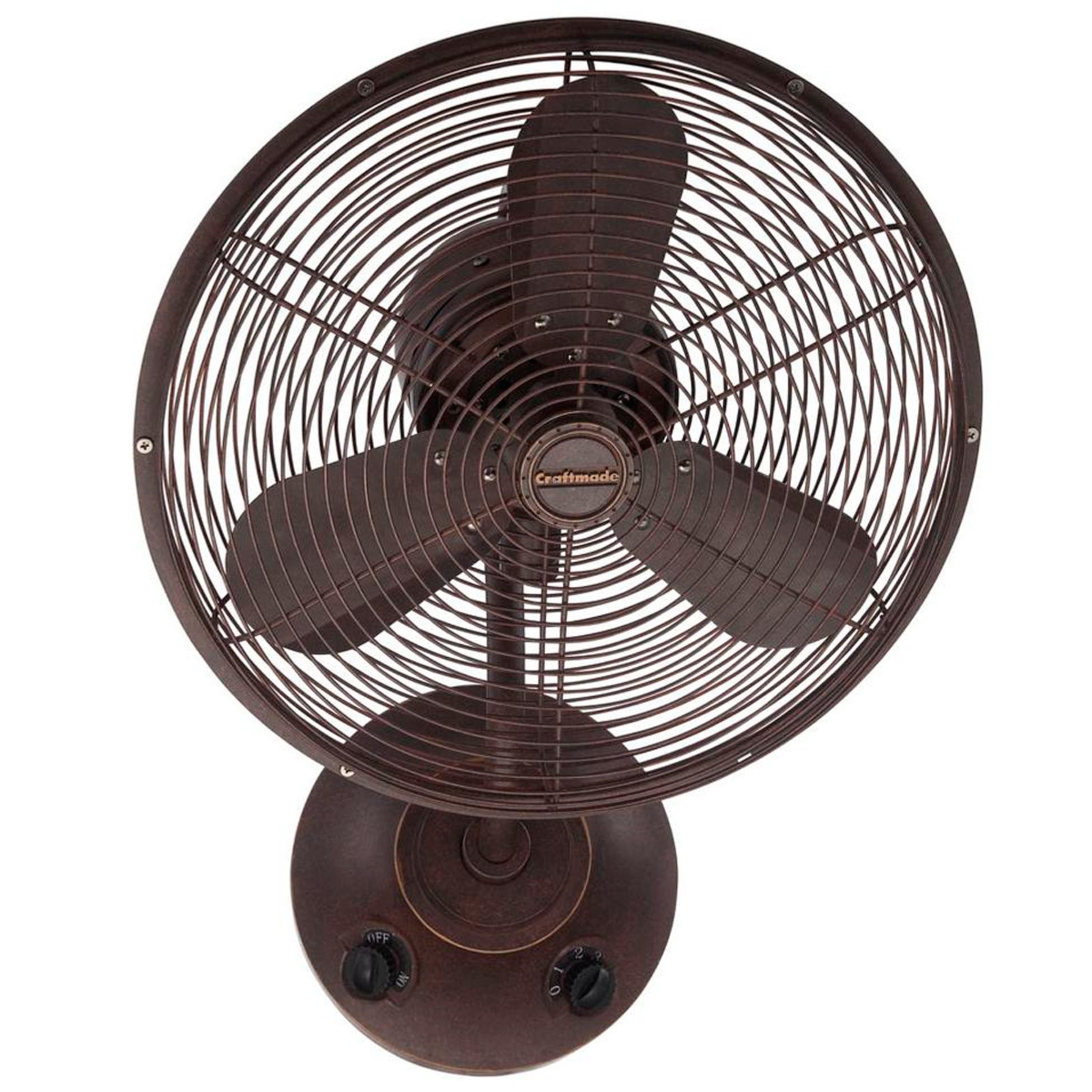
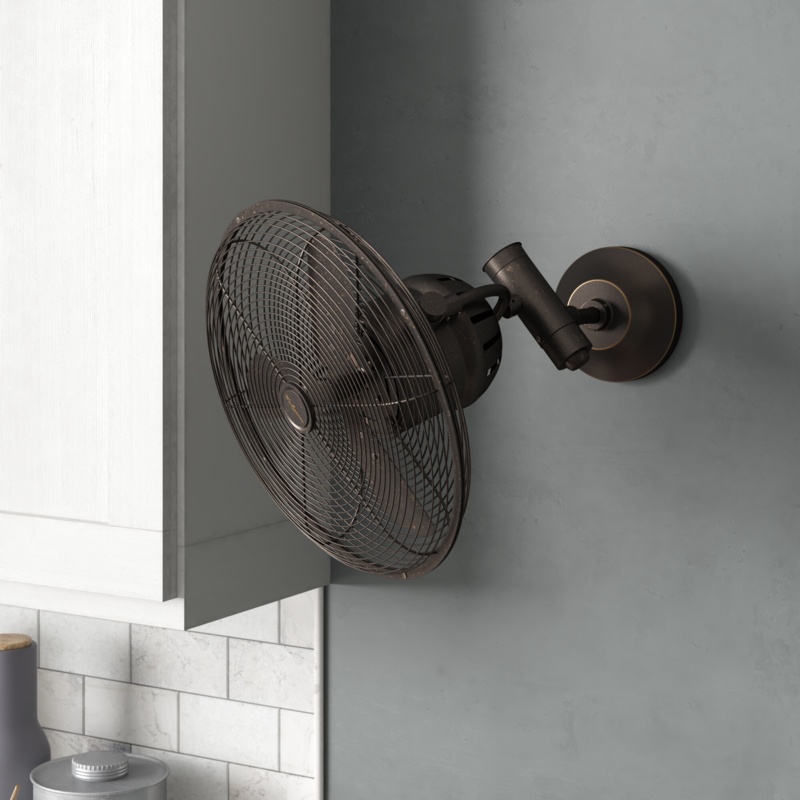
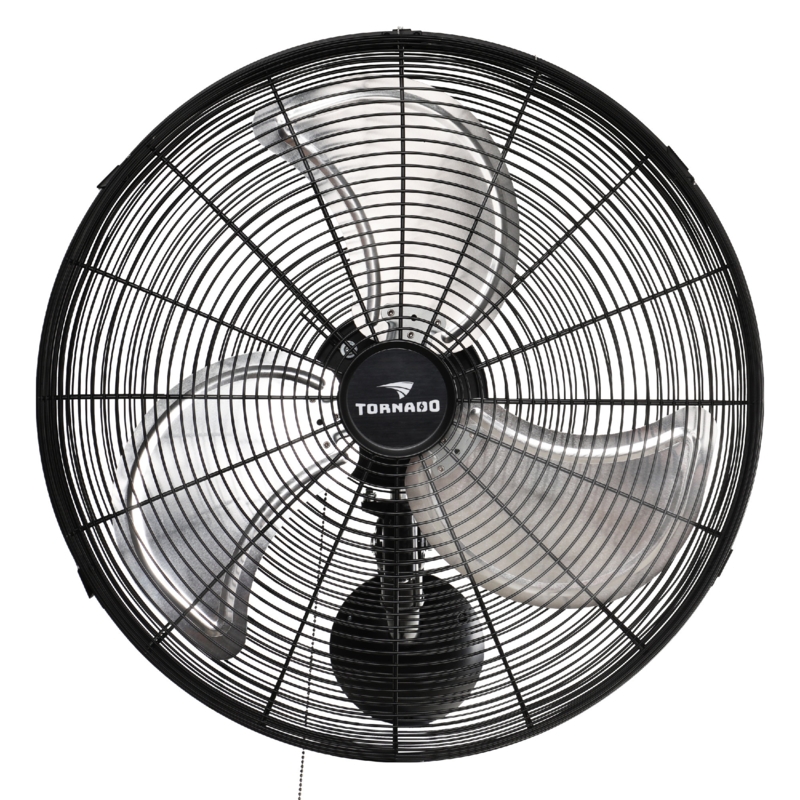
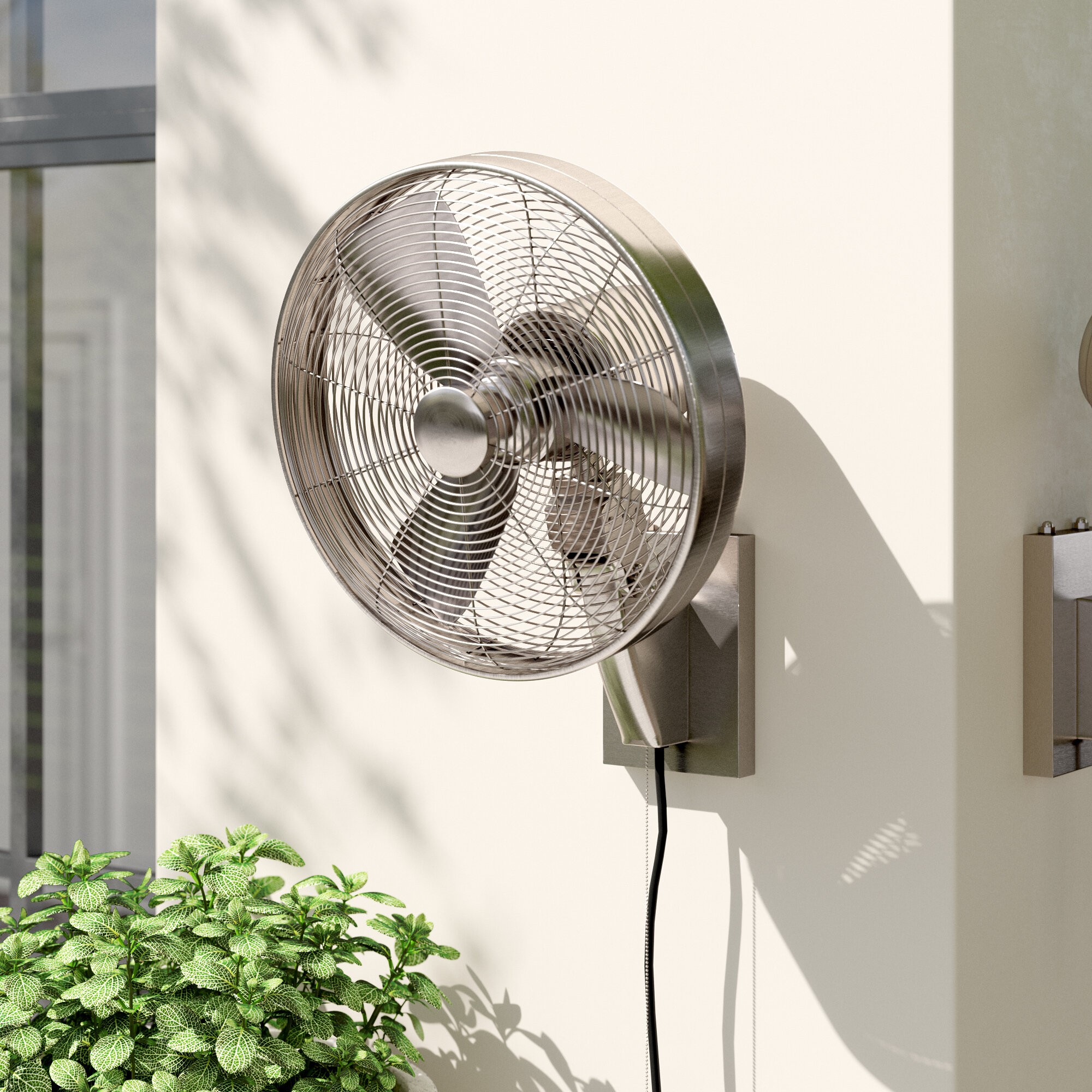
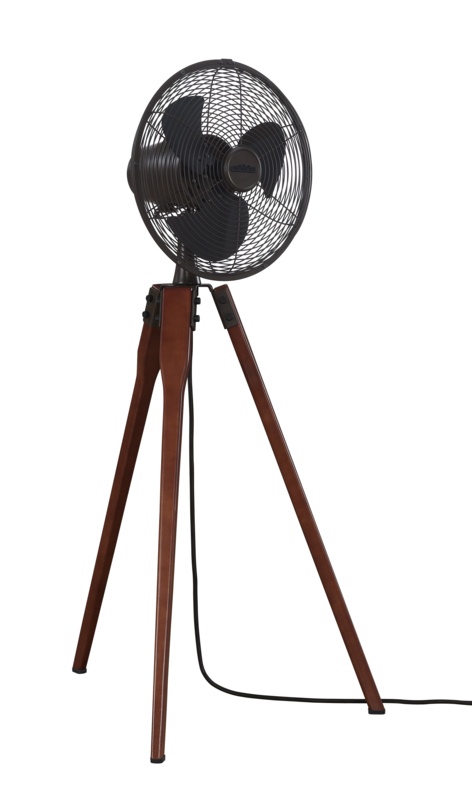
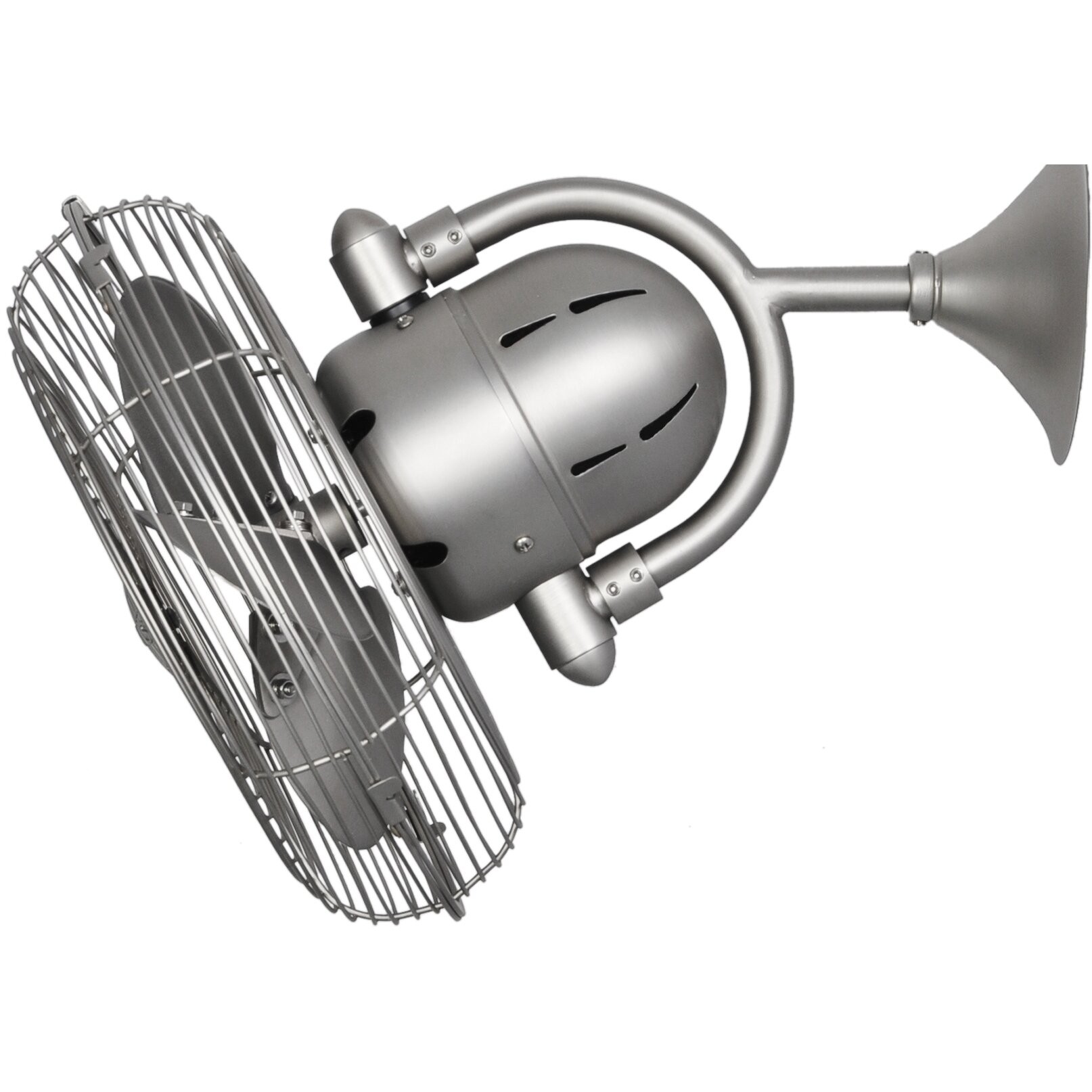
If you want to keep cool but hate the look of a regular fan, a decorative wall mounted fan is a must-have. Not only will a wall mounted fan cool any room down, but it will also make a bare wall instantly more visually appealing. From vintage and retro-inspired designs to bright colors that will make a splash, we’ve handpicked some of the best decorative wall mounted fans, so you’re well prepared for the next heatwave.
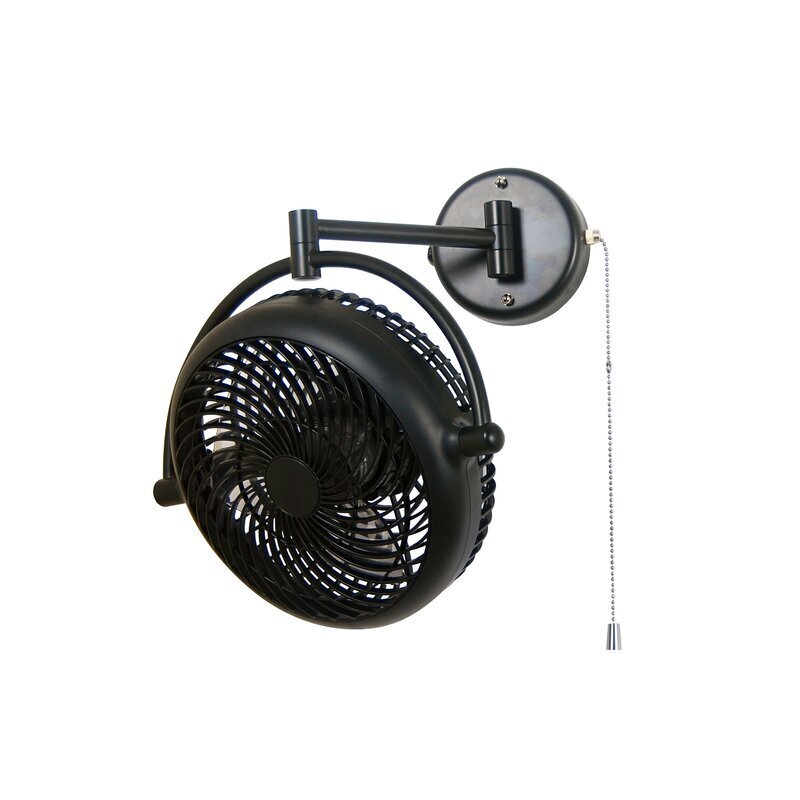
Vintage wall mount fans

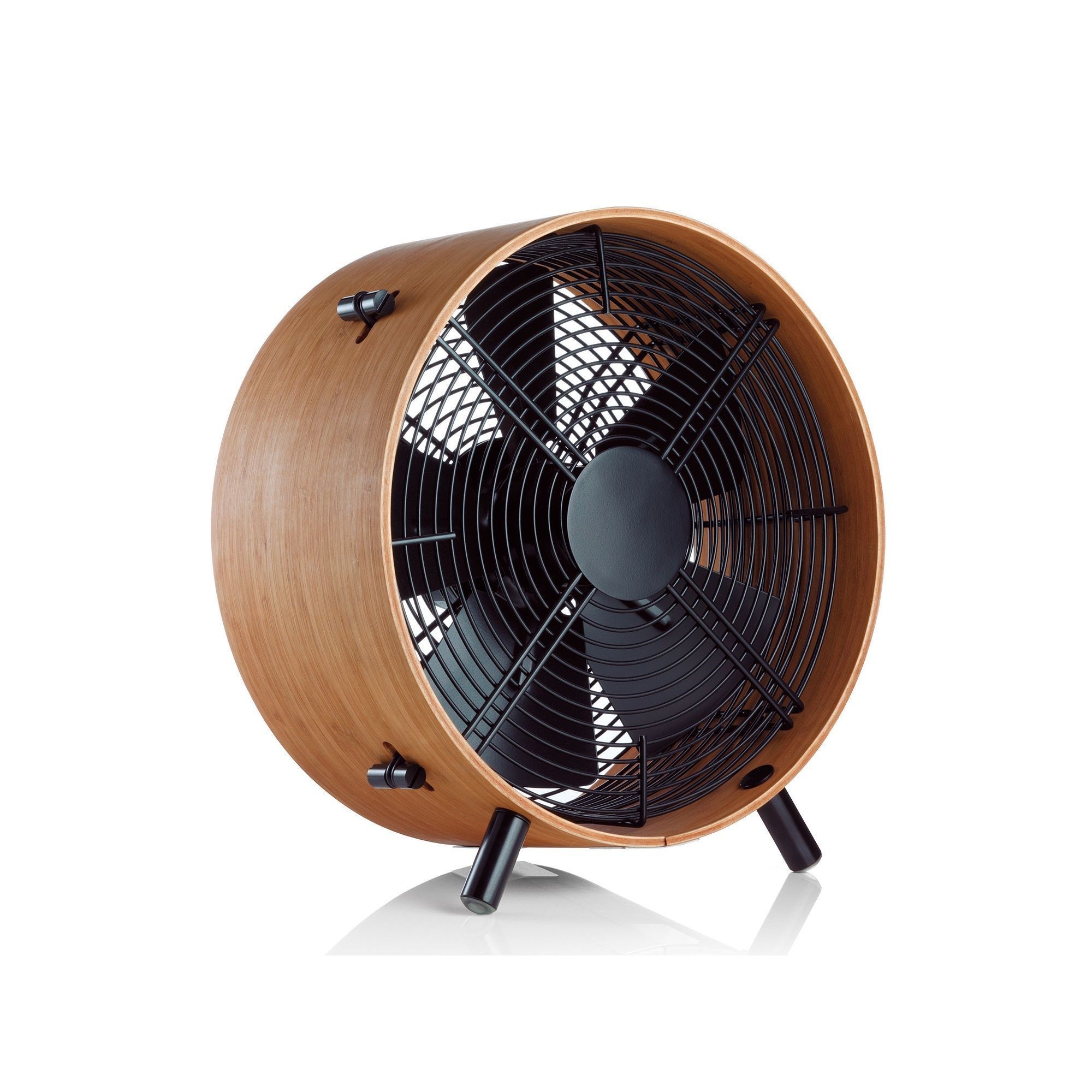
This retro oscillating delights with its cool air and even more cool design. Massive, thick, wooden construction, combined with thin, short legs give an original decorative effec and solidness for years.
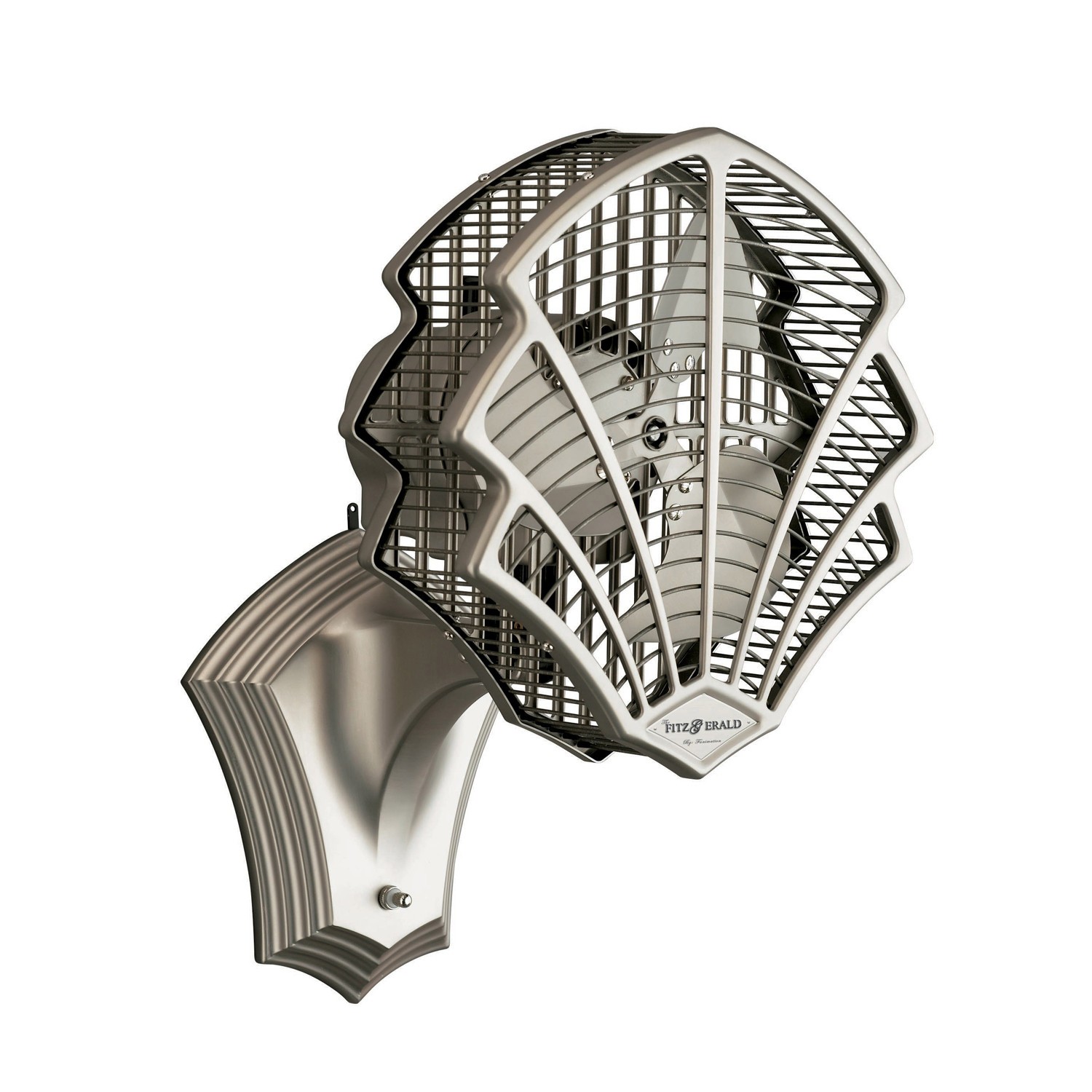
Decorative oscillating fans 2

Wall mounted fan in the Art Deco style. Frame is made of metal. Suitable for residential and commercial premises. Application in all kinds of interiors as needed.
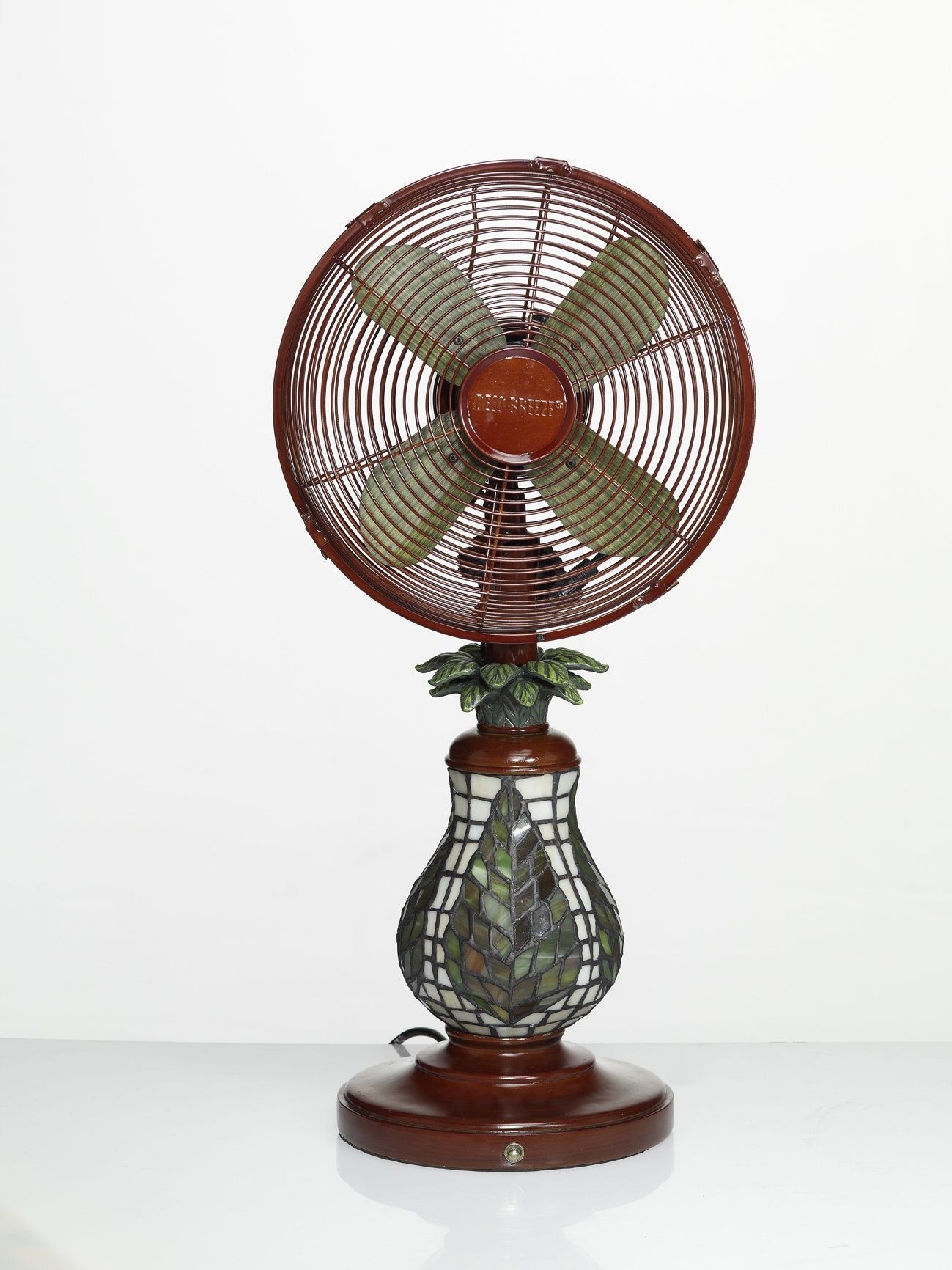
Deco Breeze Mosaic Table Top Fan/Lamp

Vintage wall mount oscillating fan

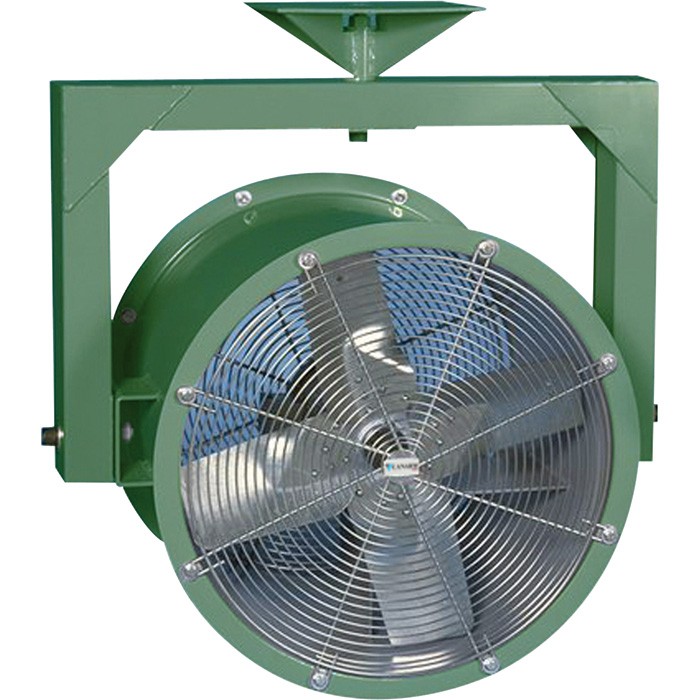
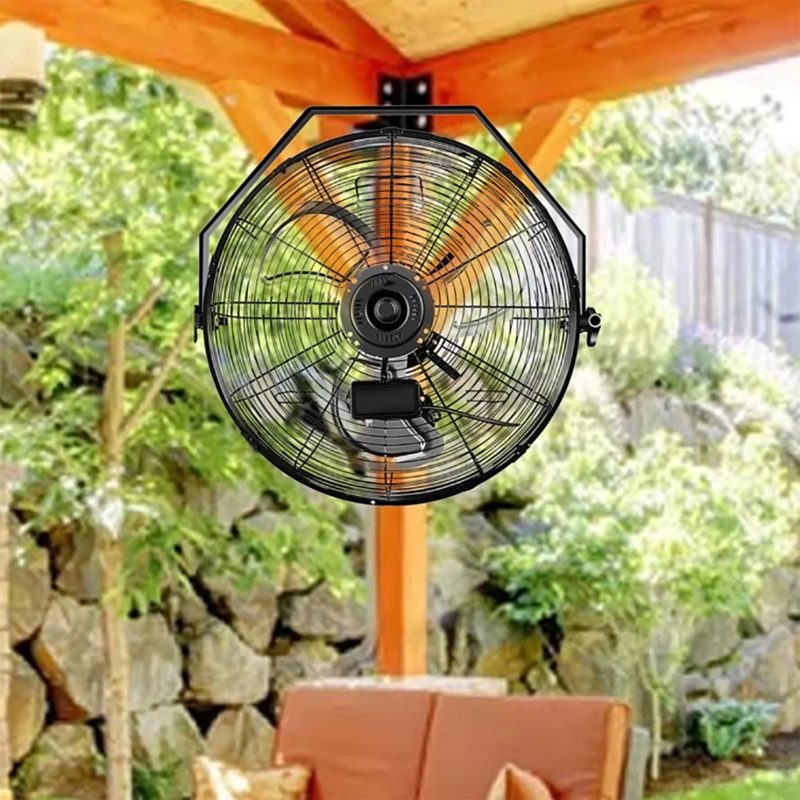
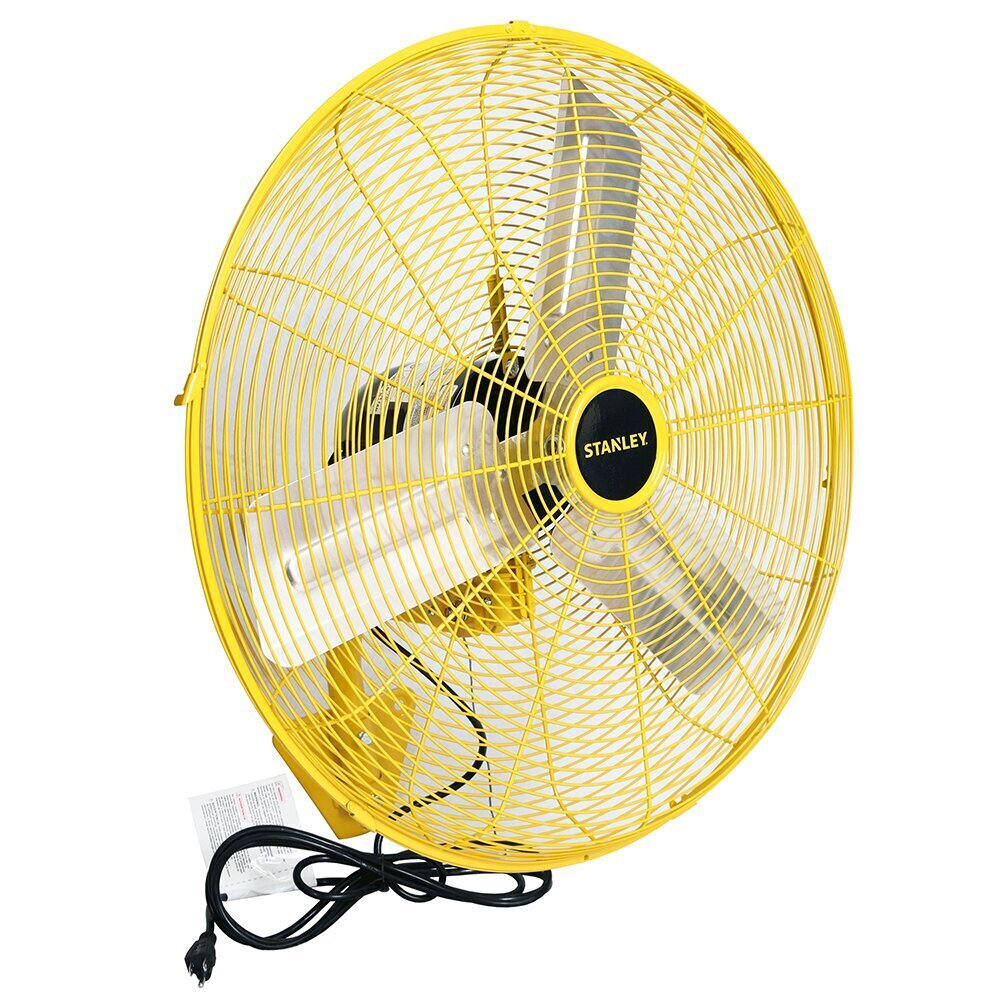
This green-colored industrial fan has a metal frame support which can be hung on walls and is meant for cooling large, open industrial areas. The main attractive feature of the fan is that it can do a 360-degree pivot around its frame both vertically and horizontally.
Wall fans decorative

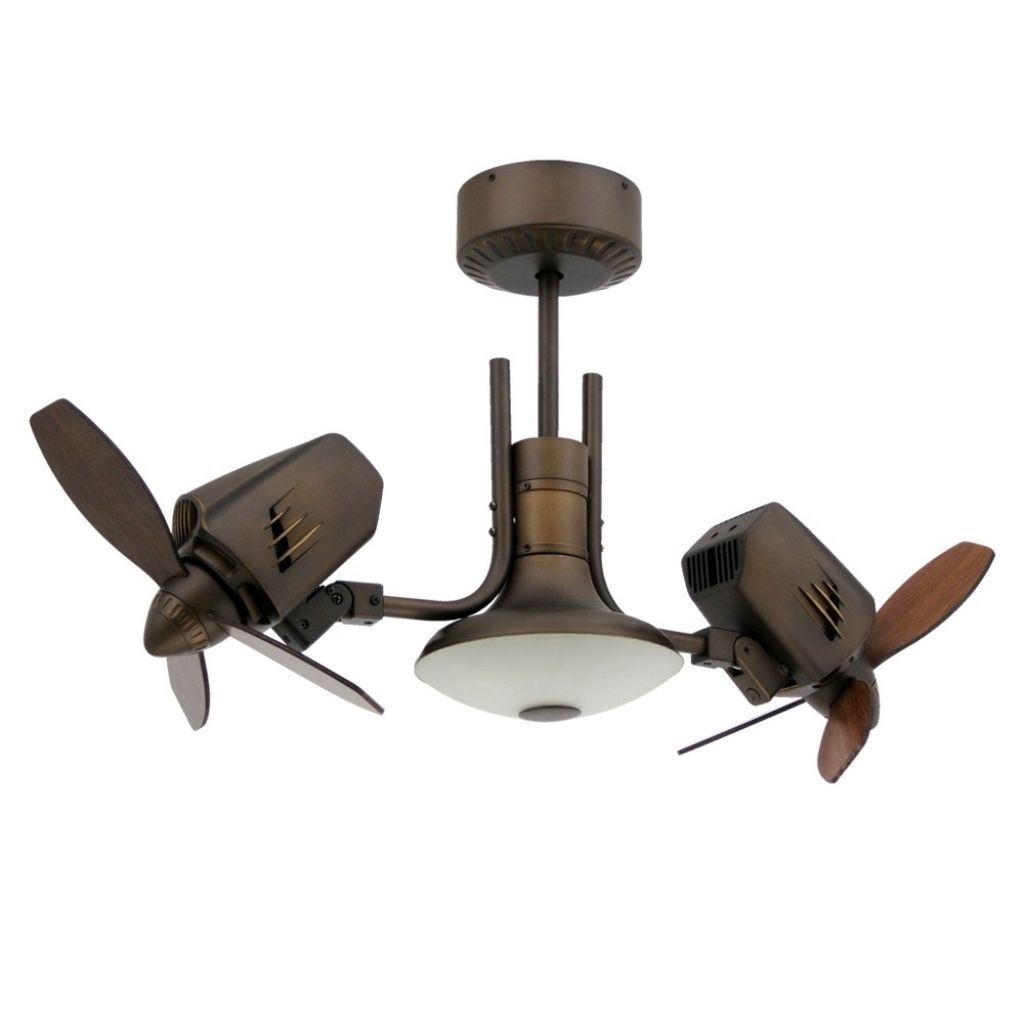
Mustang II Dual Motor Oscillating Ceiling Fan - Oiled Bronze - outdoor
Retro wall mount fan

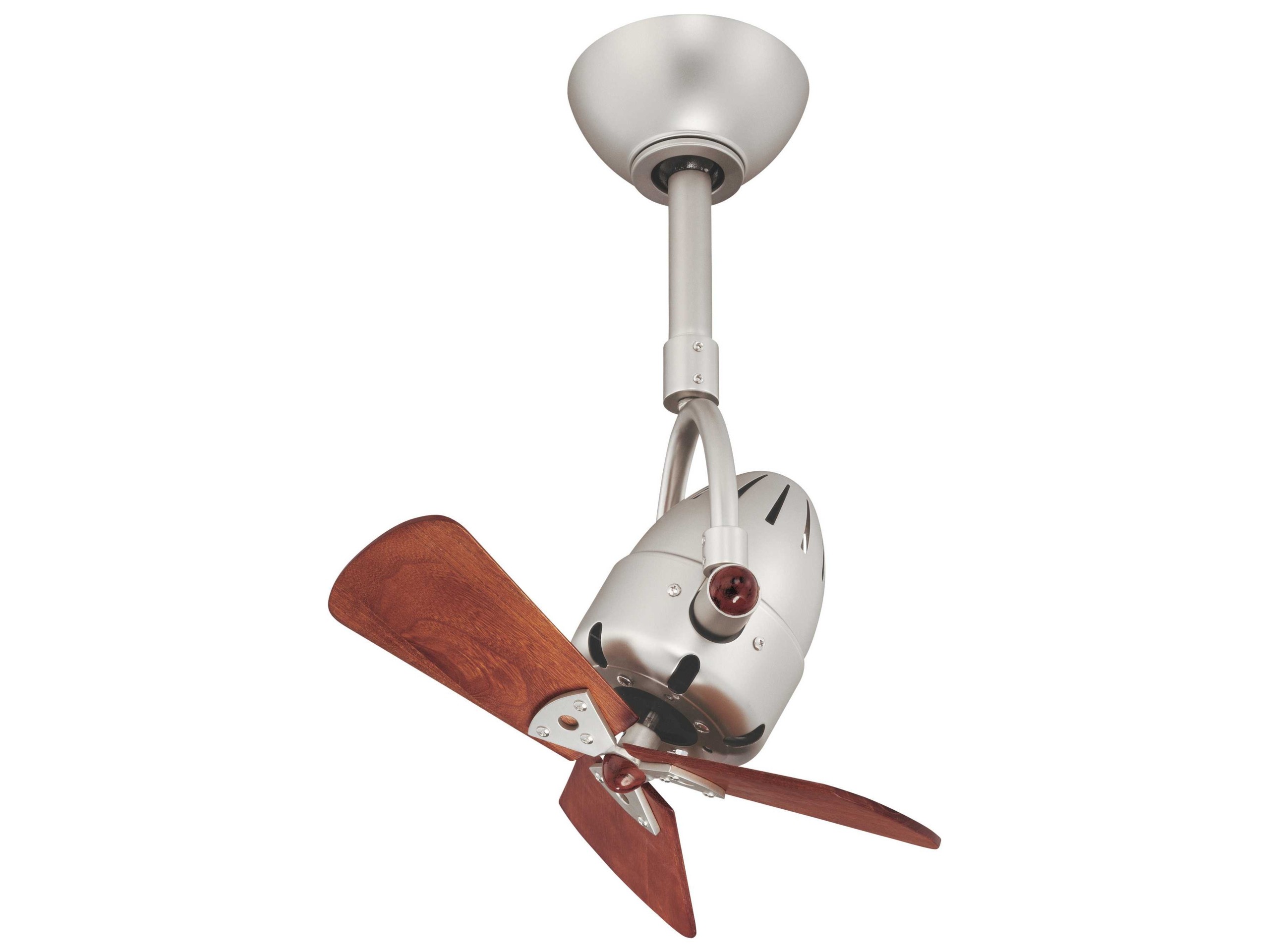
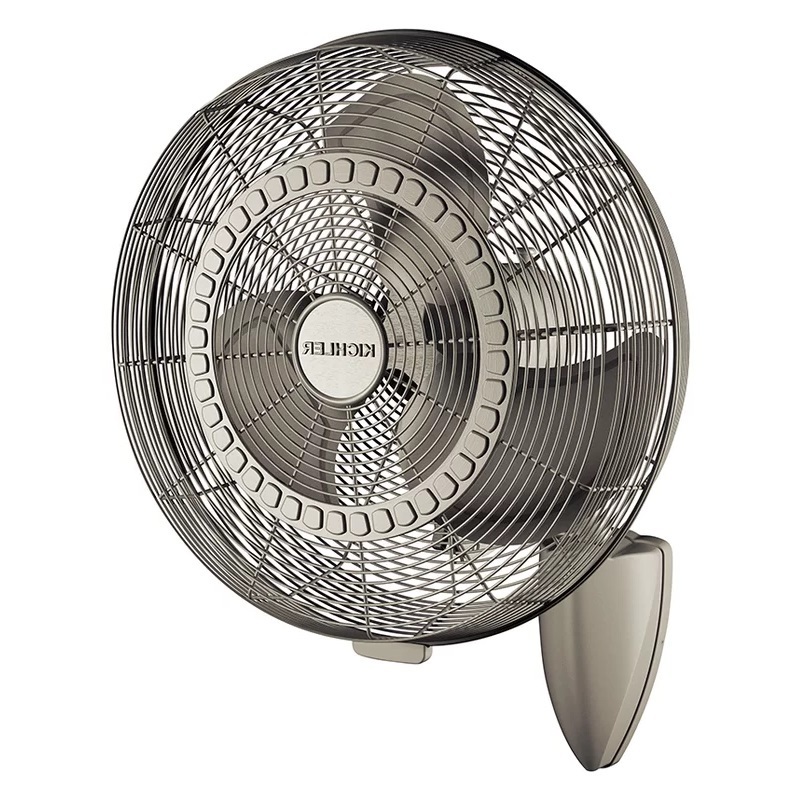
A beautiful oscillating fan that is both practical and decorative. It features a solid structure with a brushed nickel finish and wooden wings in an old-fashioned style. It's equipped in a remote for easy operation.
Decorative oscillating fans 1

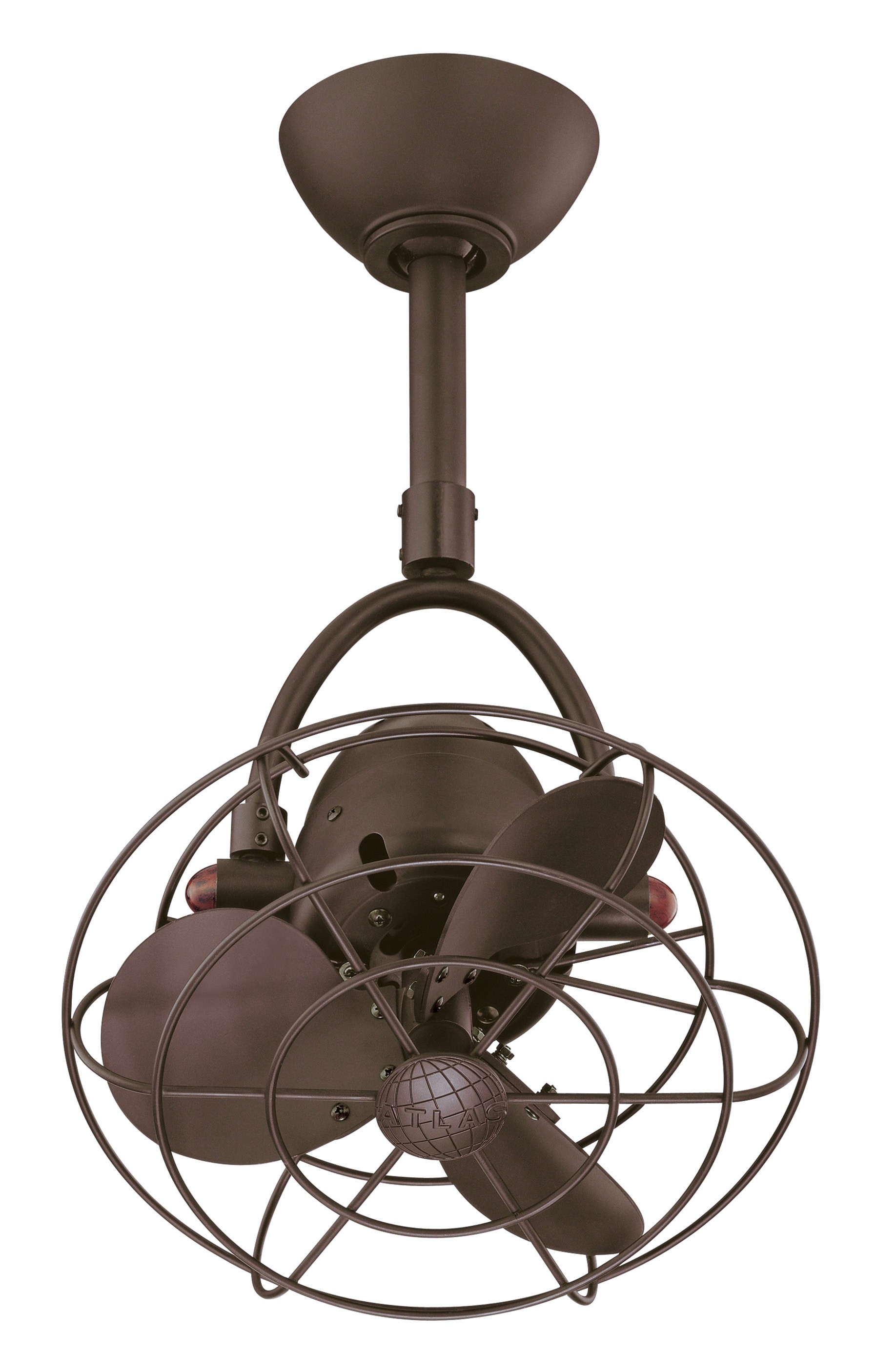
Air condition your room in a natural, healthy way with this decorative oscillating, ceiling fan. It will cool the temperature down as it guarantees multi-directional airflow. It's a solid piece made of bronze with a chrome and nickel finish.
Decorative oscillating fans 1

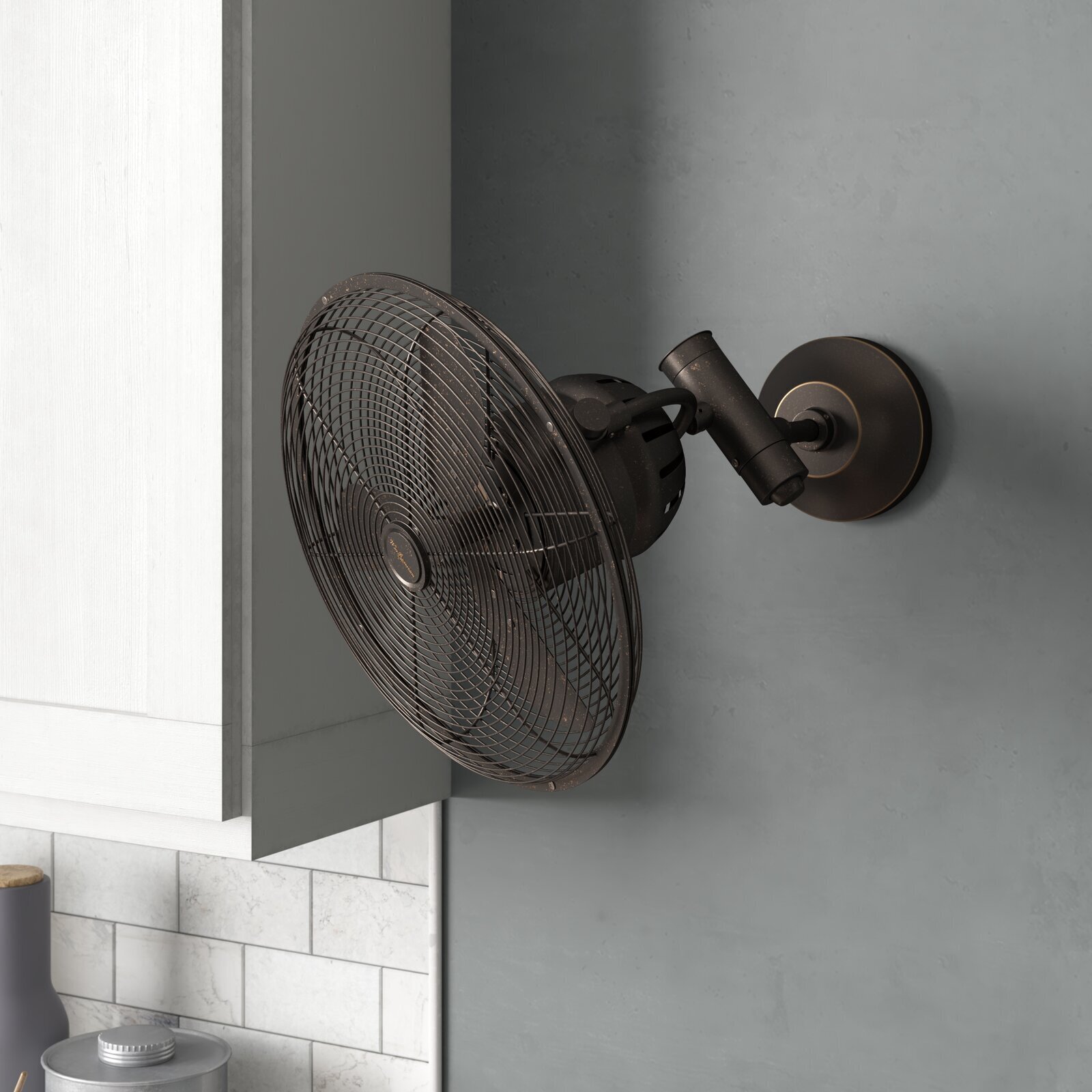
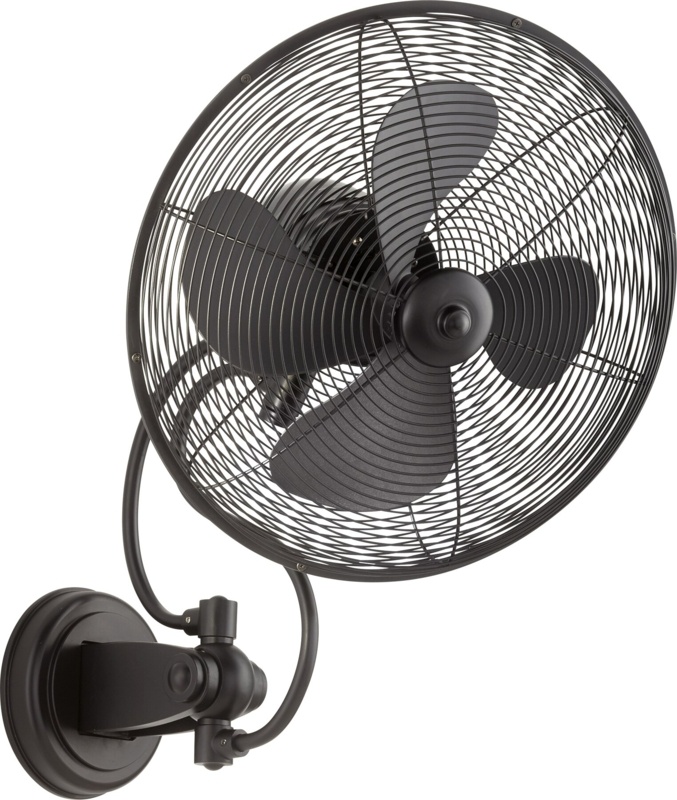
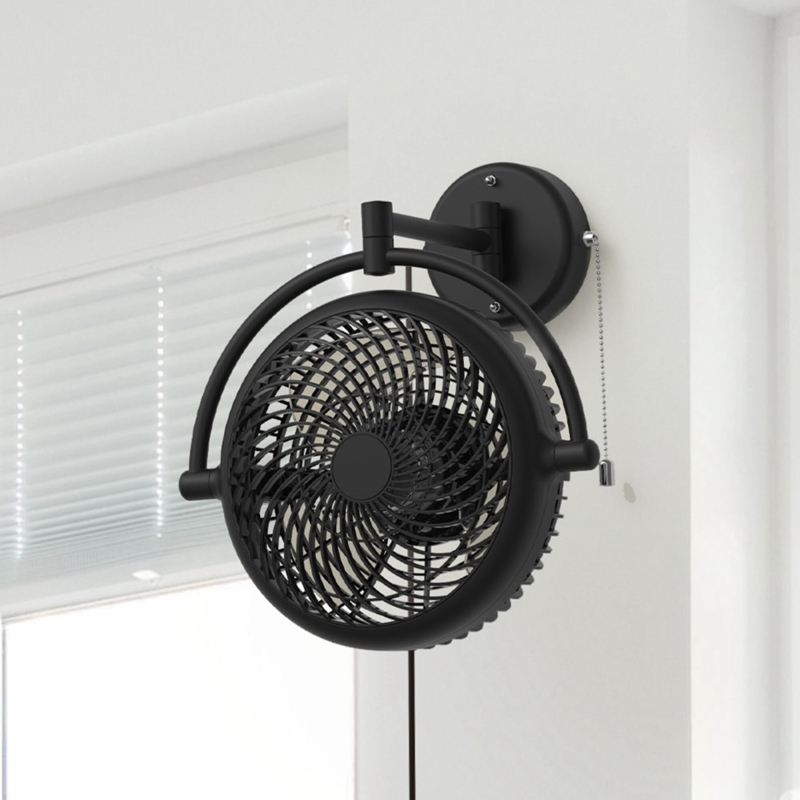
Well-built decorative oscillating fan featuring a superb vintage design and excellent classic appeal. It’s constructed from metal and come with a distressed black finish for that stunning industrial look. It also comes in a 16-inch diameter, making it large enough to be used as wall accents.
Matthews Fan Company 17.5 Kaye Oscillating Wall Fan

Matthews Fan Company 17.5 Kaye Oscillating Wall Fan

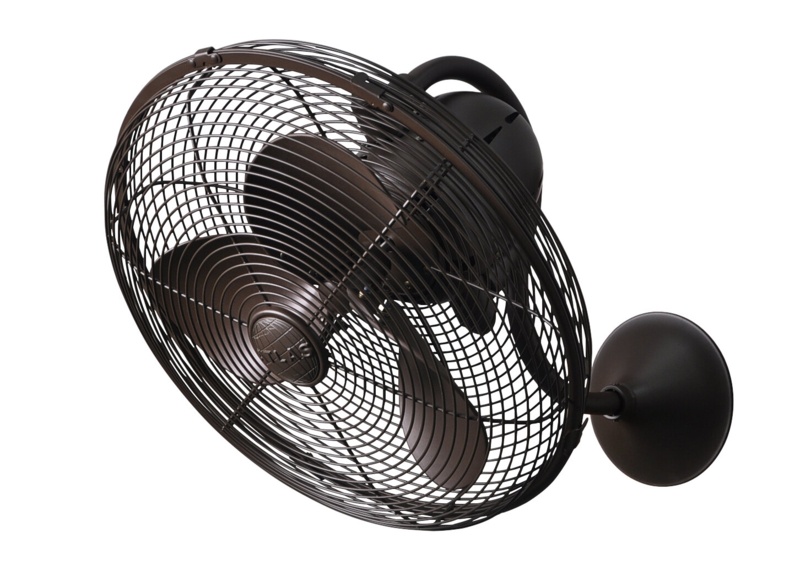
17.5 inch oscillating decorative fan. Like every other fan can be hang on the wall or on the ceiling. You don't have to replace it during cold season, because it looks super decorative and can be a cool deco.

Decorative Wall Mounted Fans

Buying Guide


Wall and window fans can be the perfect supplement to your cooling system. When well selected, they can even replace your central cooling at times or be a fun way to breeze off without feeling too chilly. Here's a quick guide to help you select the best possible fan for your needs.

If you're on the market for a wall or window fan, it's probably safe to assume that you're hoping to keep an entire room cool rather than cool a specific area. That being said, CFM ratings become an extremely important factor for you to consider.

CFM stands for cubic feet per minute, and this rating will give you an idea of how effective a fan will be at cooling your desired room. To select a fan whose CFM matches your needs, you can use the following steps:

1. Approximate the volume of air in your room.

To do this, simply multiply the height of your ceiling, by the square footage of your room. So, if for instance, you have 10-foot ceiling in a 100 sq. ft. room, the volume of air in your room would be roughly 1000 cubic feet.

10x100sq.ft=1000 cubic ft.

2. Find a CFM that cycles through this volume in 3-5 minutes

Generally speaking, you'll want your fan to be able to cycle through all of the air in your room in at most 5 minutes. This will keep your air fresh and leave everyone inside feeling cooler. For a room with a volume of 1000 cubic feet, you'll want a fan of a minimum 200 CFM.

1000/200=5 minutes to cycle

Now that we've figured out how powerful your fan needs to be in order to cool your room effectively, let's look into some features you should consider in your new fan.

  • Oscillation

You might think that wall fans are unable to oscillate because of their design and location, but you'd be surprised just how innovative they are. Most wall fans nowadays come with anoscillatory function, but it is recommended that you double check either way. Oscillating fans create turbulence in your room of choice, which means that pockets of air that a stagnant fan might miss are now being churned up so they can be pulled into the fan blades or replaced by fresher, cooler air.

If you're hoping to keep an entire room evenly cooled, definitely choose a wall or window fan capable of oscillation.

  • Remote Control

If your window or wall fan is placed in an A/V room or theater, the chances are that you really don't want to leave the comfort of your seat to walk over to your window in order to adjust fan settings. Remote control is a perfect feature to have in situations like these. You'll be able to change fan speeds, adjust or reverse airflow and even set timers at the touch of a button.

  • Smart Phone Control

A few of the high-end window or wall fans come with cell phone apps that allow you to customize your fan's airflow. You'll have access to all - if not more - of the same control features as a remote control, allowing you to adjust your fan from anywhere in your home.

  • Air Filters for Window Fans

Given that window fans interact directly with the external environment, they tend to pull in allergens and dust, especially during allergy season. Purchasing a fan with a replaceable air filter is a good decision if you suffer from allergies. You'll probably need to replace the filter every few months to a year, but you'll be saving money on medication and hours of stress.

  • Ionizers

Ionizers function similarly to air filters in that they mediate against the movement of allergens in the air. Ionizers produce a field of negatively charged particles that is expelled along with the air coming into your room. As the negative particles encounter dust and allergens, they "stick" to them and cause them to adhere to surfaces in your room. Making it more difficult for you to breathe them in.

Some wall-mounted fans also come with ionizers, so be on the lookout for them if you're hoping to save some stress during allergy season.

  • Reversible Airflow

Reversible airflow can be an incredibly convenient feature to have in a window fan. Since window fans interact directly with fresh air from outside, being able to switch one or more fan blades to blowing air outside in tandem with other blades pulling air in, can allow you to cool or freshen the air in your room significantly faster. If there's a lingering odor, or smoke from cooking gone wrong, fully reversing airflow can be a quick and easy way to rid yourself of that problem.

  • Air Conditioner

If you don't have a central cooling system that you're supplementing with your fan, an air conditioner could be a wonderful addition to your window fan.

In the extremes of warm weather, window fans can contribute to the warming of your house, by constantly pulling warm air into your room, rather than circulating cool air around it. Purchasing a window fan with an air conditioner can solve this problem since you will have direct control over the  the air temperature coming in.

Of course, having an air conditioner comes with a far greater energy burden than a simple window fan. You can, however, get creative with timer and thermostat settings to ensure that your air conditioner is only operational during the hottest hours of the day.

Given that air curtain fans are technically wall fans, it is natural to consider them in this discussion. Air curtain fans are mostly found in commercial locations like supermarkets but are increasingly being used in homes to minimize energy costs. Regardless of your desire for temperature, an air curtain is a solid investment when it comes to insulation.

Air curtains normally produce a powerful blast of either hot or cold air. This blast in itself contributes to the temperature of your room, but mostly serves to prevent heat from escaping or entering your room. Air curtains are also up to 90% effective against insects and allergens, making them a fantastic addition to your main doorways or garage.

Here's a quick look over what we've covered so far, to help you remember when choosing your fan:

  • Choose a CFM that cycles through the air in your room in 5 minutes or less
  • Remote or phone controls allow you to adjust your fans without having to get up from your comfy sofa
  • Reversible airflow can help you dispel allergens, dust and smoke from inside of your home
  • Air filters can keep allergens and dust out of your home
  • Ionizers help mitigate against indoor allergens
  • Air curtains are fantastic insulators and are up to 90% effective against bugs